
🛑 The Puke Ariki curatorial team is pressing pause on public donations to the collection while staff work on a substantial backlog of donations awaiting assessment.
Curatorial Lead, Lucy Macfarlane says the decision will ensure the museum can care for the taonga and objects already entrusted to them.
“By pausing new donations, we can properly care for our existing collection and plan for future growth in a thoughtful, meaningful way.”
The team is currently managing a large historic backlog that includes:
1,000 boxes of archival materials, including the New Plymouth Court Records collection, cassette-recorded oral histories and multiple community group donations that have come in over the last five years.
Extensive social and natural history items and taonga Māori.
More than a million photographic images, including from the Feaver Collection of Ōpunakē.
“Our collection backlog has built up over many years during periods where our team has been stretched across a wide range of demands, for example - COVID-19 and more recently the growing need for exhibitions and public engagement,” says Macfarlane.
“Collection processing is often unfortunately the work that gets deferred to manage resources effectively. We’re now reviewing how we collect and accept donations so we can reduce future backlogs and make the best use of our curatorial expertise.”
Though the pause has been in place since 2025, people continue to bring items directly to frontline staff at both the Museum and Research Centre, sometimes becoming insistent that items be accepted immediately.
“We appreciate the generosity but ask that people do not bring in physical items to the museum. We’re grateful when people go through the appropriate channels to have their items considered and treat our teams with compassion,” Macfarlane says.
Do you have an item you think should be part of Puke Ariki’s collection?
People can still submit details of a potential donation through the Puke Ariki website, including information about location, date of discovery, use, cultural significance, and associated makers and owners of the item.
If invited by the curatorial team, people can bring the item into the museum for assessment.
“It’s not assured that objects will be acquired into the collection,” Macfarlane explains. “Response times are also currently longer, due to the assessment workload.”
“Objects are assessed against criteria like historical significance to Taranaki, whether we have a similar object in the collection already, and potential use – for research, or within a future exhibition.”
Taonga of significant cultural and spiritual value for Māori may be considered taonga tūturu and fall under the Protected Objects Act. Taonga found after 1976 must be registered with Manatū Taonga, the Ministry of Culture and Heritage. Those offered for museum custodianship can be placed under kaitiaki agreements.
These agreements ensure continued guardianship over the taonga by relevant descendants, working in partnership with the museum.
Check the Puke Ariki website for updates on when regular collection capacity resumes.
At a glance:
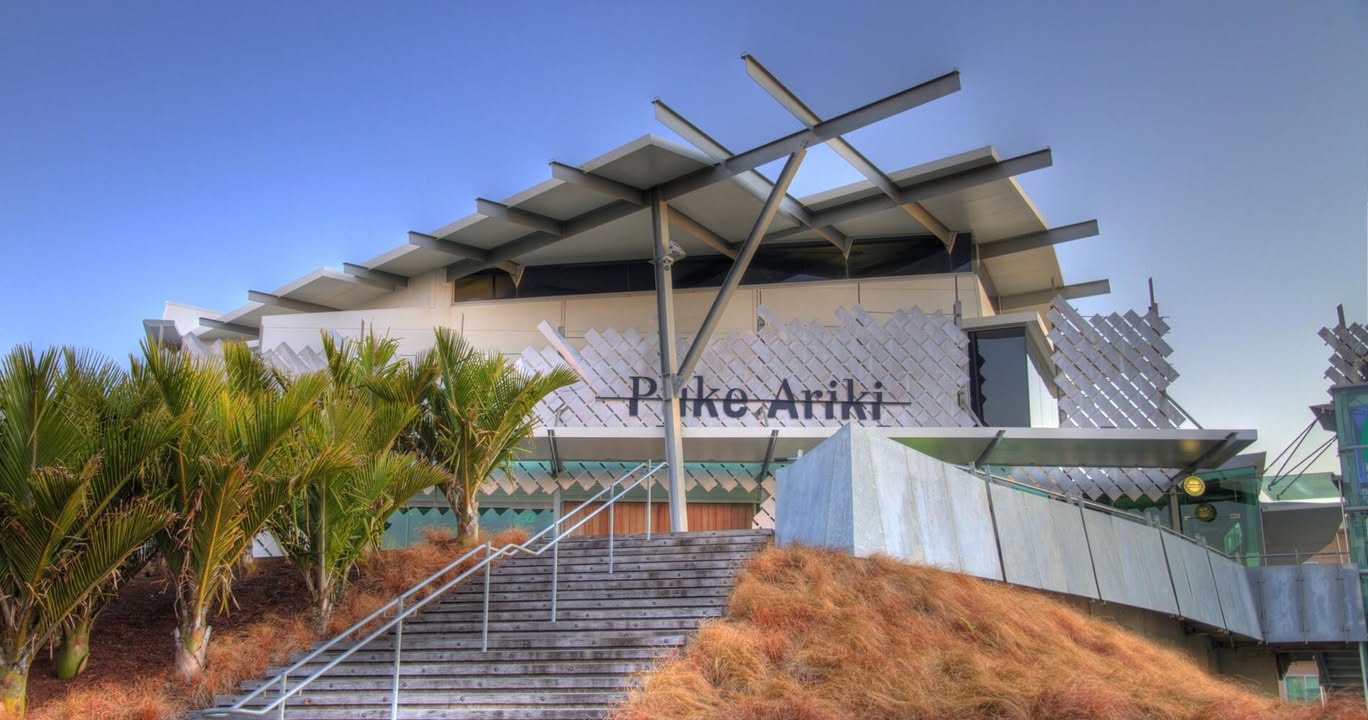
- Puke Ariki, meaning Hill of Chiefs, stands on a former prominent pā site in central New Plymouth.
- It opened in 2003 as a combined library and museum - an innovative storehouse for Taranaki’s taonga and stories.
- The museum presents both long-term and regularly changing exhibitions across six gallery spaces.
- The central and community libraries offer many events designed to foster a love of reading, learning and connection.
- Puke Ariki also houses a research centre, restaurant and café, and the district’s isite visitor information and ticketing hub.