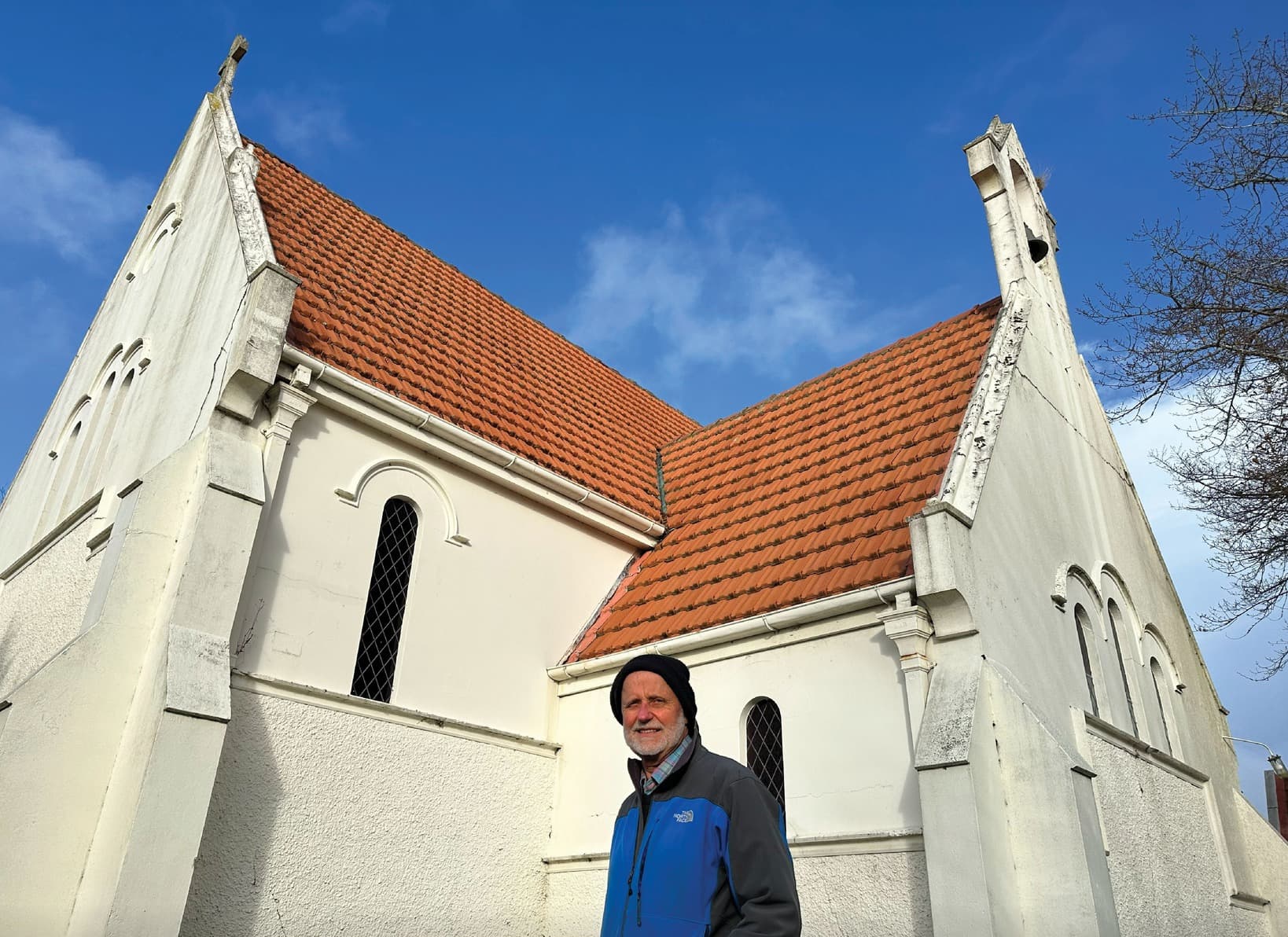

What's happening with NZ's oldest stone church on Vivian Street?
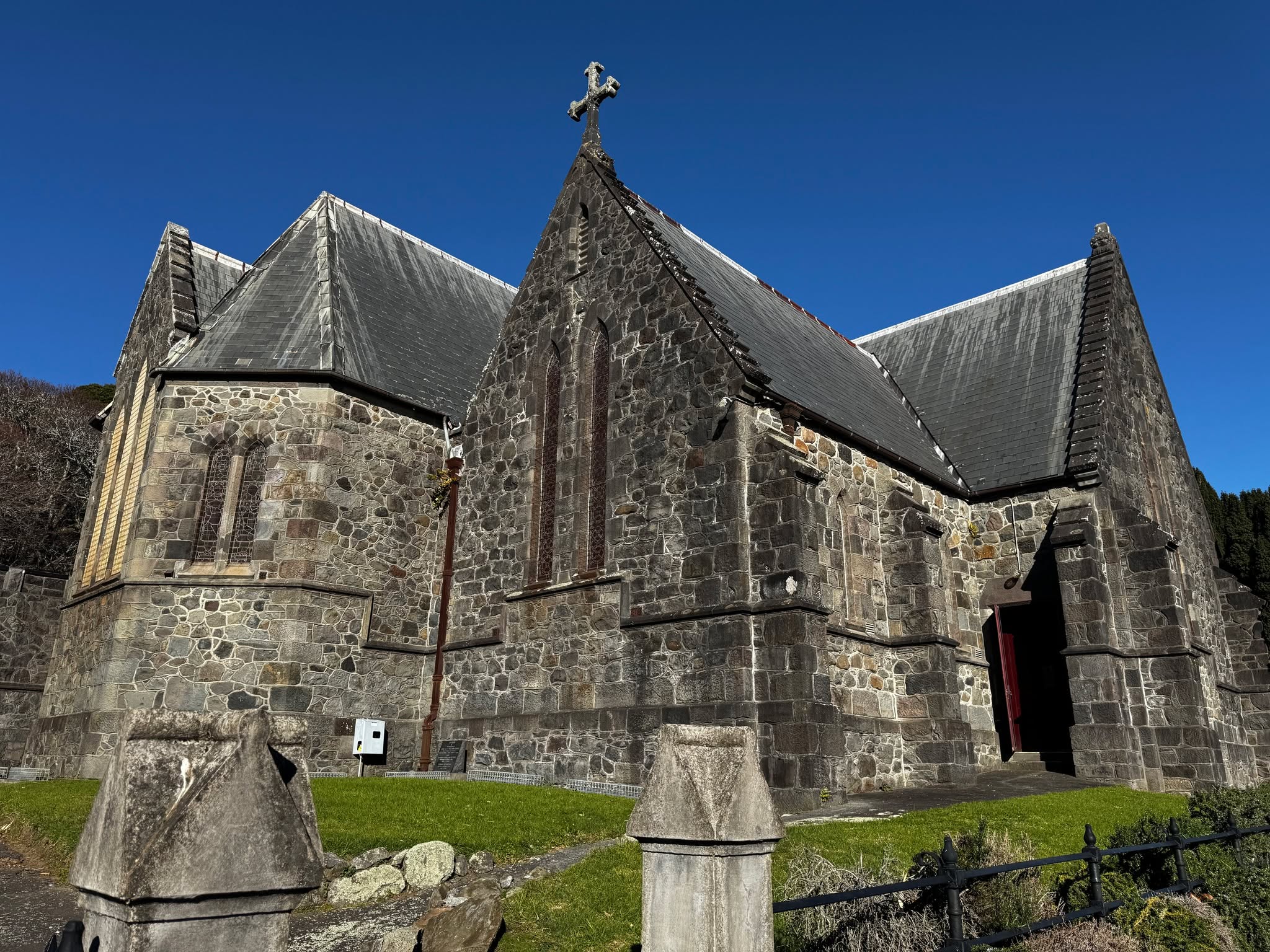
The Taranaki Cathedral Church of St Mary was constructed in 1845. London-trained architect Frederick Thatcher drew up the plans, while early settlers hauled stone from the nearby Kawaroa Reef and Huatoki River to construct the walls.
Heritage New Zealand recognises the site as a Category 1 Historic Place.
In 2016, a seismic assessment revealed the cathedral met just 16% of modern earthquake standards. The doors were closed to the public, and a massive remediation project began.
According to recent updates from the cathedral project team, the cost to strengthen the unreinforced masonry walls has risen to over $20 million. A successful $1 million test on the southern wall was completed in 2024.
Project managers are currently working on a revised, staged plan to make the building safe under new government earthquake regulations introduced in 2025. The cathedral team has been working to secure funds to resume remediation work, aiming for a full reopening in May 2028.
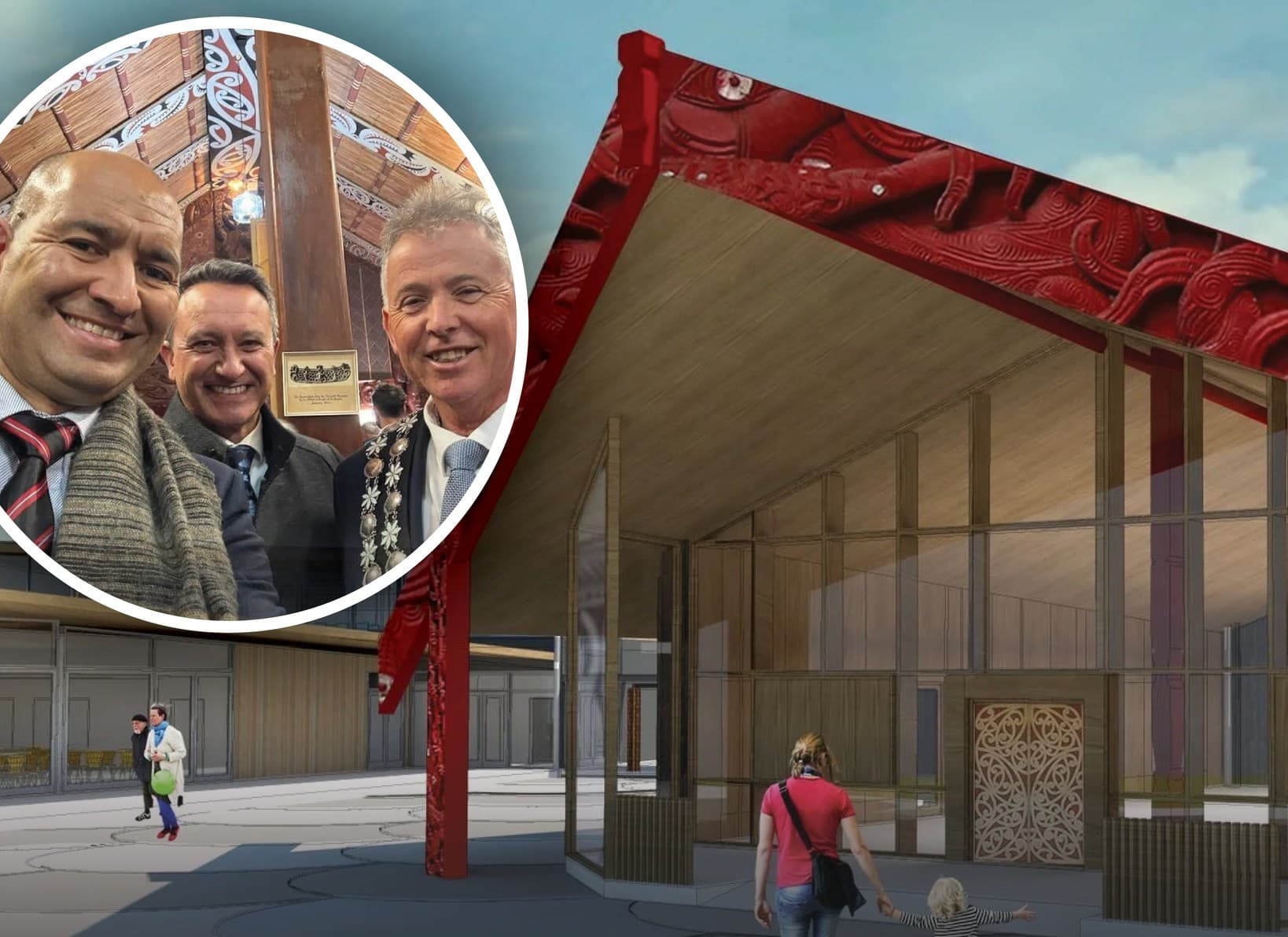
While the main building remains closed, the site continues to evolve. In 2023, the cathedral opened Te Whare Hononga, a modern learning hub built in partnership with Ngāti Te Whiti. The centre provides a permanent exhibition exploring the colonial history of the site and its heavy impact on tangata whenua.
Visitors can still walk through the historic graveyard which contains significant heritage trees and the graves of early civic leaders.