
New Plymouth: A city that gets blown about and soaked – but still shines.
Warning: This story is full of weather facts.
New Plymouth has a reputation for sunshine, and it is well deserved. The city has won New Zealand's annual sunshine title several times in recent years, including 2021, 2022 and 2025. But there is another side to the story that deserves just as much attention.
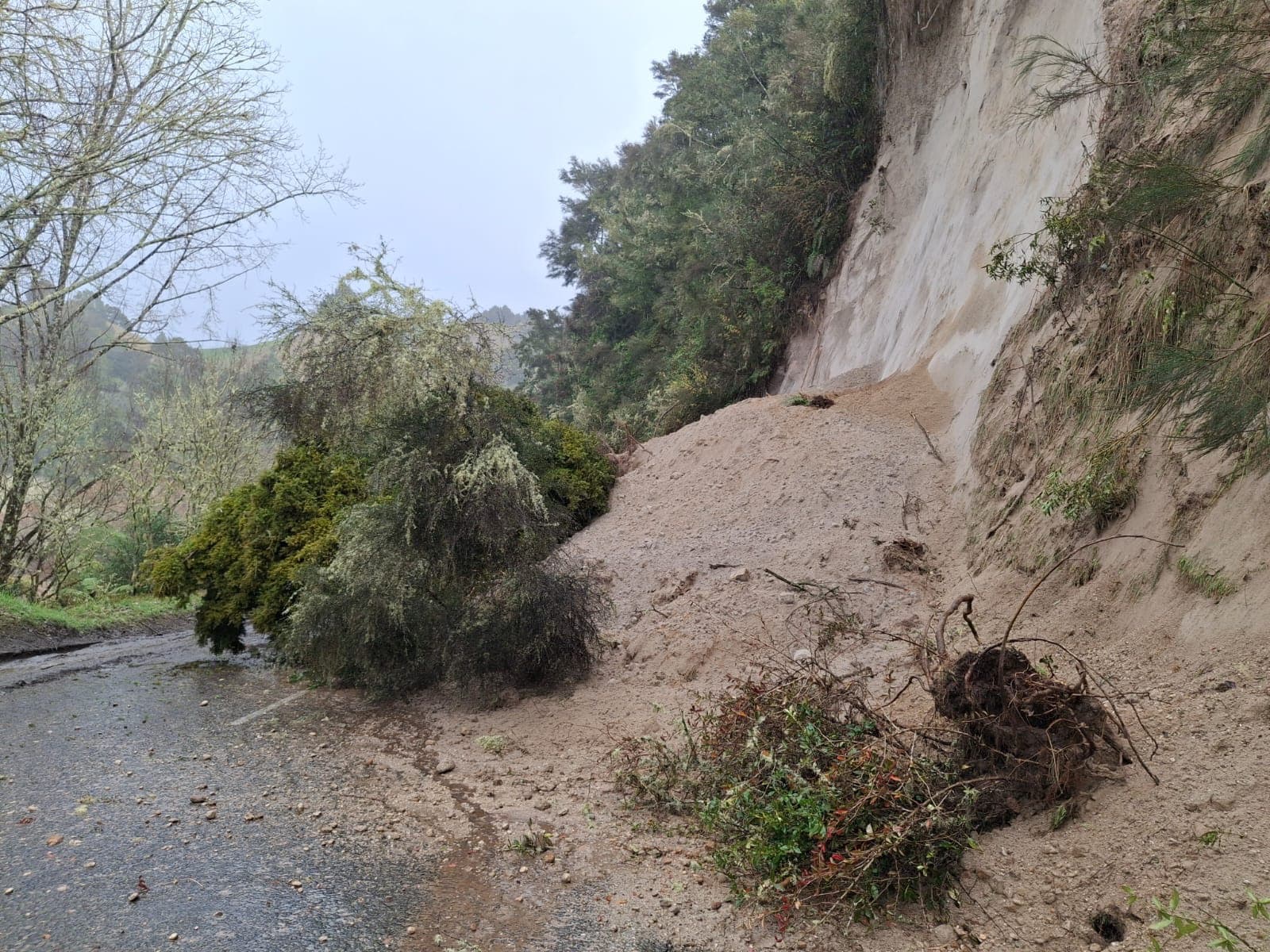
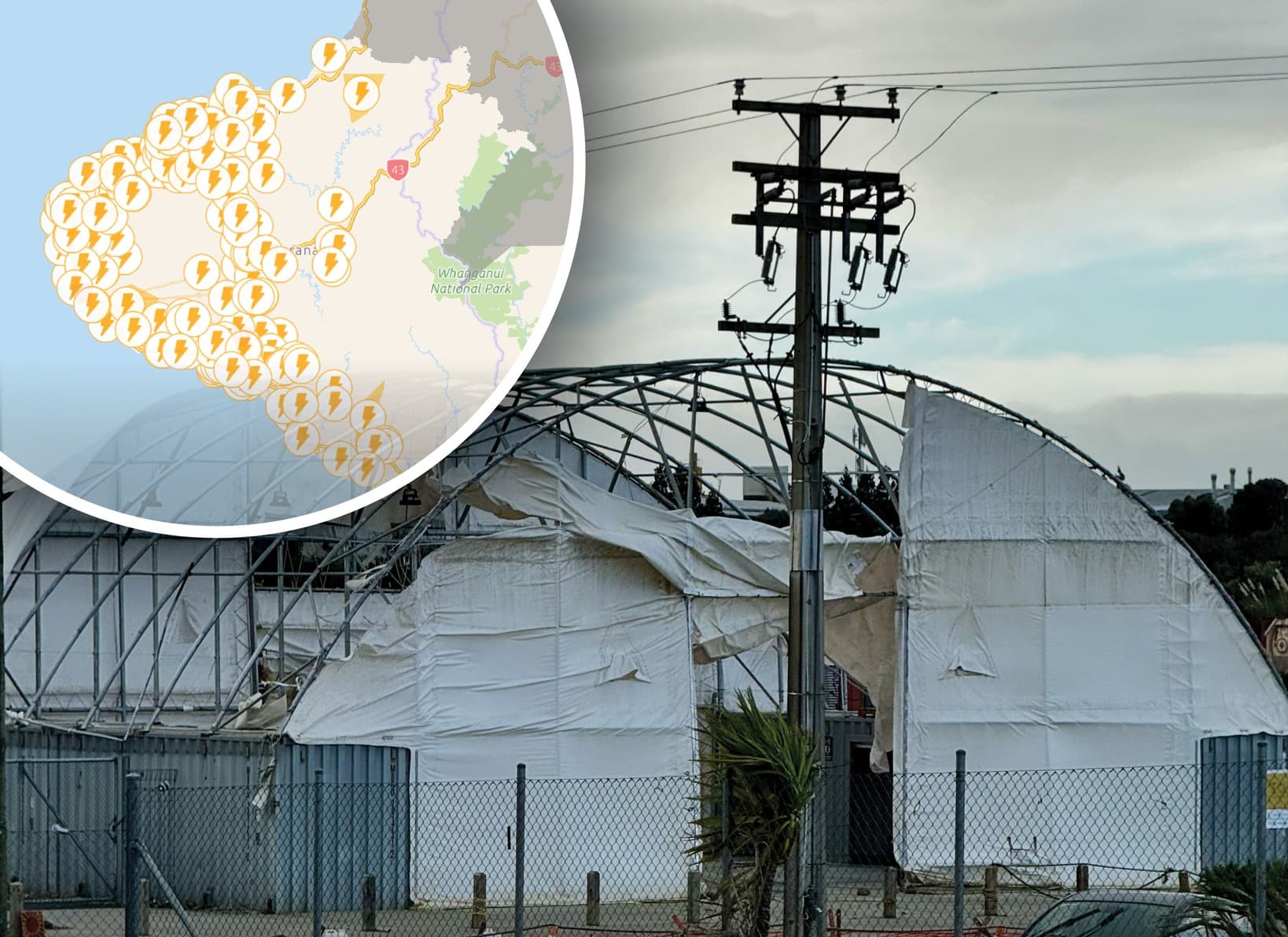
New Plymouth is a remarkably windy and wet place. We live on an exposed stretch of the west coast, facing the Tasman Sea, where weather systems can sweep in with considerable force. Strong winds are part of everyday life, and our rainfall totals are higher than those of many much larger New Zealand cities.
In fact, the combination of wind and rain is one of the defining features of Taranaki's climate. The sunshine is wonderful, but it does not tell the whole story.
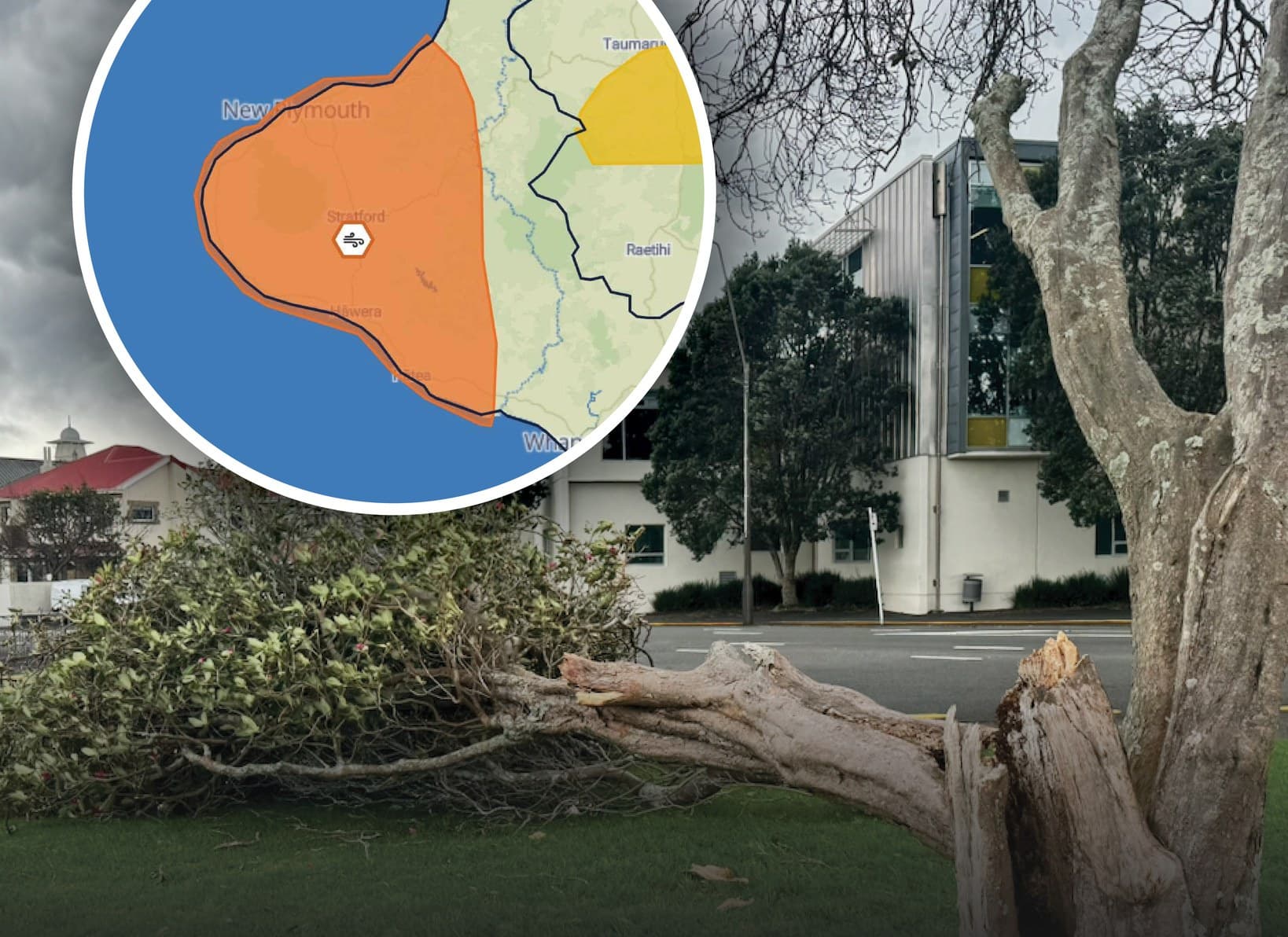
The official climate description of Taranaki is unusually direct: it calls the region one of the windiest in New Zealand. That is not simply local exaggeration. The prevailing westerly airflow, combined with our exposed position on the western side of the North Island, means we regularly feel the full force of weather travelling across the Tasman.
And it is not just the occasional storm that makes the difference. Wind is a regular feature of the climate, particularly in spring, when strong winds become more frequent. At New Plymouth Airport, historical observations show an average wind speed of about 18.9 kilometres an hour. At Cape Egmont, further along the exposed coast, the average was approximately 23.3 kilometres an hour.
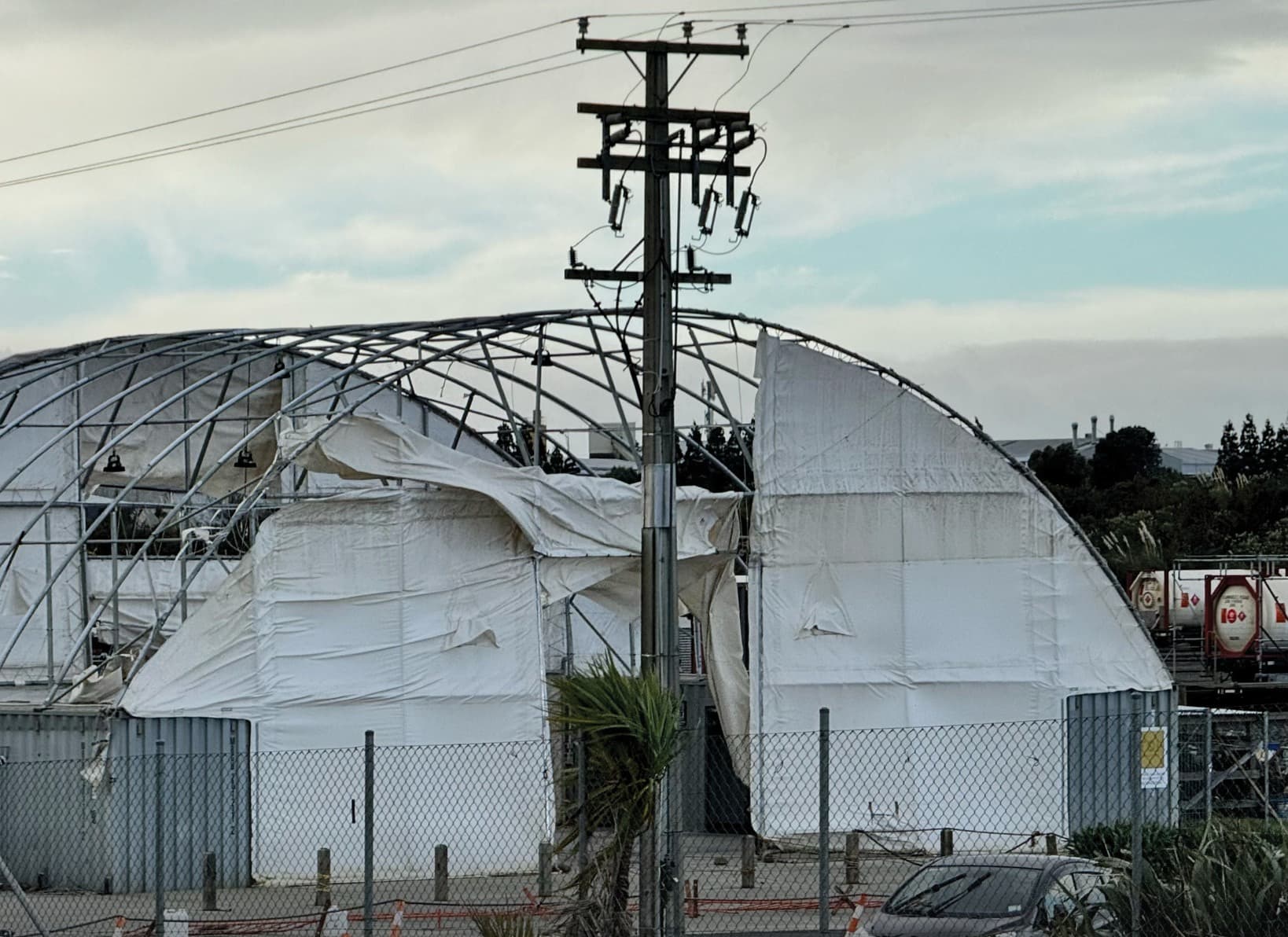
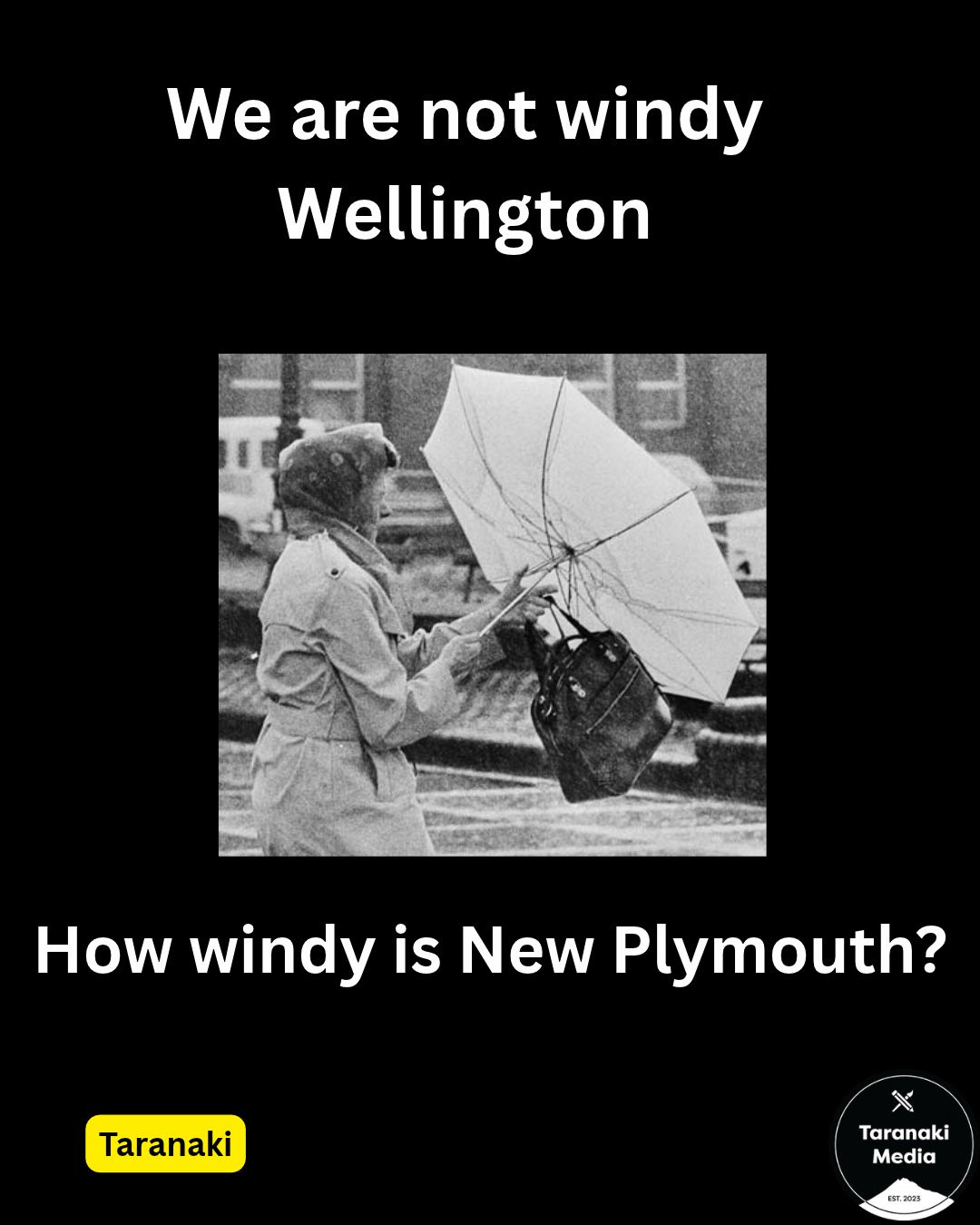
Those averages can sound modest until you remember that they are measured across the whole year, including calmer periods. When a front arrives, gusts can be much stronger. Anyone who has struggled to keep an umbrella under control along the waterfront, watched trees bend in a southerly, or felt the wind pushing against a car on an exposed road will understand what those figures mean in practice.
The latest national wind statistics also provide an interesting comparison with Wellington. Between 2016 and 2025, Wellington recorded the highest average daily maximum wind gust of the 28 New Zealand monitoring sites, at 63 kilometres an hour. Whangaparāoa was second at 48 kilometres an hour.
New Plymouth was not ranked above Wellington in that comparison, and it would be wrong to claim that we are windier. But there is an important finding for Taranaki: between 1980 and 2025, New Plymouth was one of only three monitoring locations where both the annual average of daily maximum wind gusts and the annual maximum gust showed a very likely increase. The other locations were Gisborne and Queenstown.
In other words, while windiness has decreased at many New Zealand monitoring sites over the longer period, New Plymouth has been moving in the opposite direction.
The rain is no less impressive
If the wind is one of Taranaki's defining characteristics, rainfall is another.
New Plymouth receives an average of approximately 1,410 millimetres of rain each year. That is a substantial amount for a New Zealand city and considerably more than many people might expect from somewhere that regularly tops the national sunshine rankings.
To put it into perspective, Wellington averages about 1,319 millimetres annually, Auckland around 1,119 millimetres and Hamilton approximately 1,124 millimetres. New Plymouth is therefore wetter than all three.
The contrast with the eastern and southern parts of the country is even greater. Napier averages around 790 millimetres, Dunedin about 724 millimetres, and Christchurch just 618 millimetres.
That means New Plymouth receives more than twice Christchurch's average annual rainfall. It also gets around 600 millimetres more rain each year than Auckland.
And unlike some parts of New Zealand where rainfall is heavily concentrated in particular seasons, New Plymouth receives rain throughout the year. Even our summer months are not particularly dry. January averages about 76 millimetres, February almost 90 millimetres, while May averages close to 150 millimetres.
It is a climate in which you can enjoy a sunny afternoon and still be grateful you have kept a raincoat in the car.
The mountain takes rainfall to another level
Of course, the city's rainfall figures tell only part of the Taranaki story. Mount Taranaki has a dramatic influence on the region's weather.
Moist air arriving from the Tasman Sea is forced upwards as it meets the mountain. As it rises, it cools and produces cloud and rain. The result is a remarkable rainfall gradient between the coast, the city and the higher slopes.
The figures recorded around the mountain are extraordinary. In 2025, the Taranaki Regional Council's Camphouse monitoring site recorded 8,443.9 millimetres of rain, while Dawson Falls recorded 7,598.5 millimetres.
That is more than eight metres of rainfall at Camphouse in a single year. It is difficult to appreciate just how much water that represents until you compare it with New Plymouth's annual average of about 1.4 metres.
The mountain's rainfall helps explain the lush forests, abundant streams and rivers, and the green landscape that Taranaki is famous for. It also explains why heavy rain can create such rapid changes in river levels and why the region needs to take severe weather warnings seriously.
So how can we be so sunny?
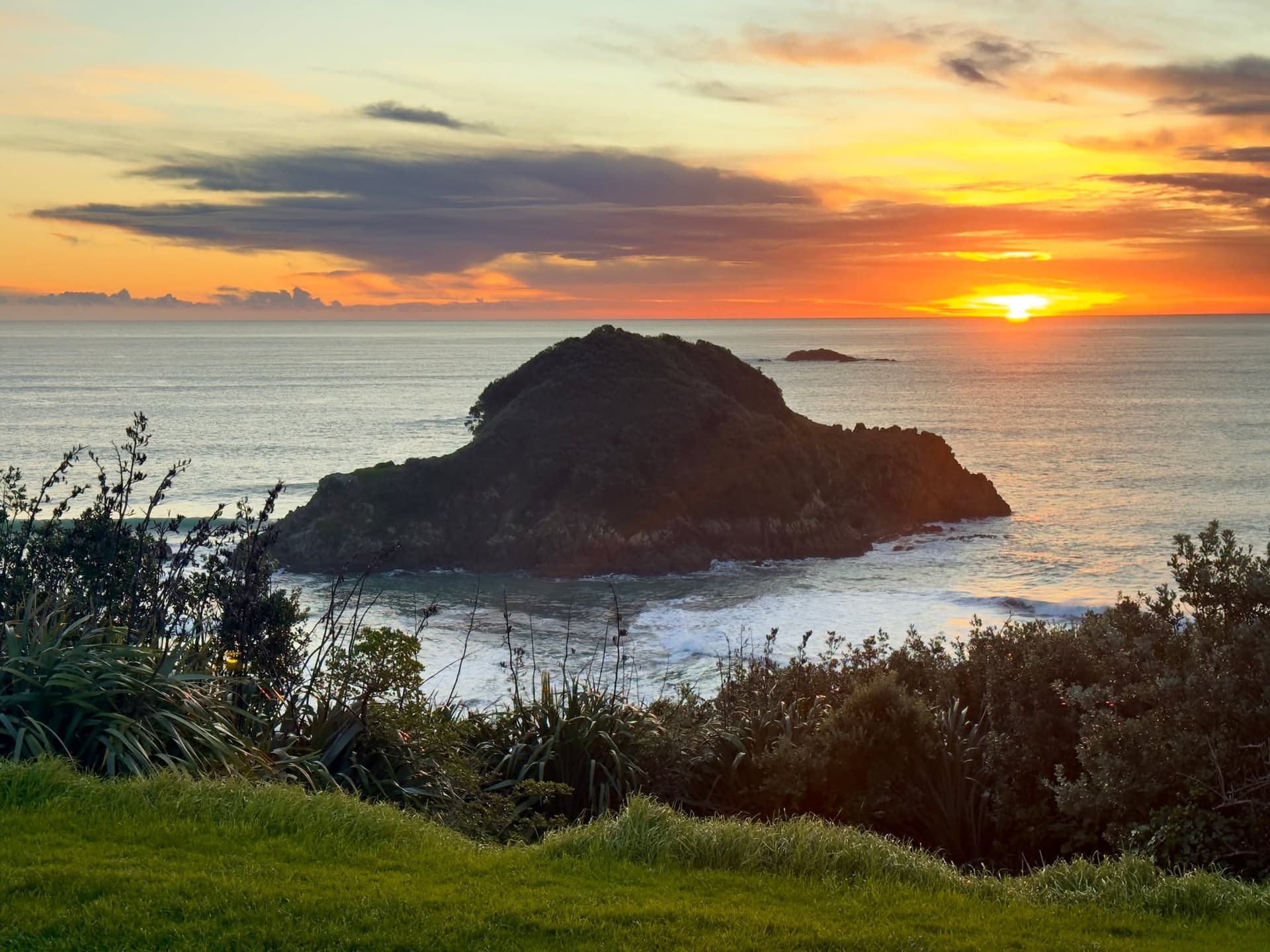
This is perhaps the most surprising part of the story. Despite the wind and rain, New Plymouth has repeatedly been recognised as one of the country's sunniest places.
In 2025, it recorded 2,743 sunshine hours, averaging approximately seven and a half hours of sunshine every day. It was enough to put New Plymouth ahead of Richmond and Blenheim in that year's national sunshine competition.
The long-term averages also show New Plymouth enjoying more sunshine than Wellington, Christchurch and Hamilton, although Nelson, Blenheim and Tauranga generally record higher annual totals.
There is no contradiction in being both sunny and wet. Rainfall does not necessarily mean persistent all-day rain. Weather systems can move through, bringing showers and strong winds, before clearing to leave bright sunshine. Taranaki can experience several different conditions in the space of a day.
The same westerly weather patterns that bring wind and rain also help produce the changeable conditions that make the region's climate so distinctive.
A region that gets the full force of the weather
Perhaps we sometimes take our local weather for granted. We complain about the wind, check the forecast before planning a walk, and keep an eye on the mountain when rain starts falling heavily.
But the statistics show that these are not just occasional inconveniences. Taranaki really is one of New Zealand's windiest regions, New Plymouth receives more rainfall than many major centres, and the mountain's upper slopes experience some truly extraordinary annual totals.
We can also claim a place among the country's sunshine champions.
So the next time someone says New Plymouth is always sunny, it might be worth pointing out that we also live in a city that can be battered by strong westerlies and drenched by heavy rain. We enjoy the sunshine, certainly, but we earn it.
And perhaps that is the real Taranaki weather story: a sunny city in one of New Zealand's windiest and wettest regions.