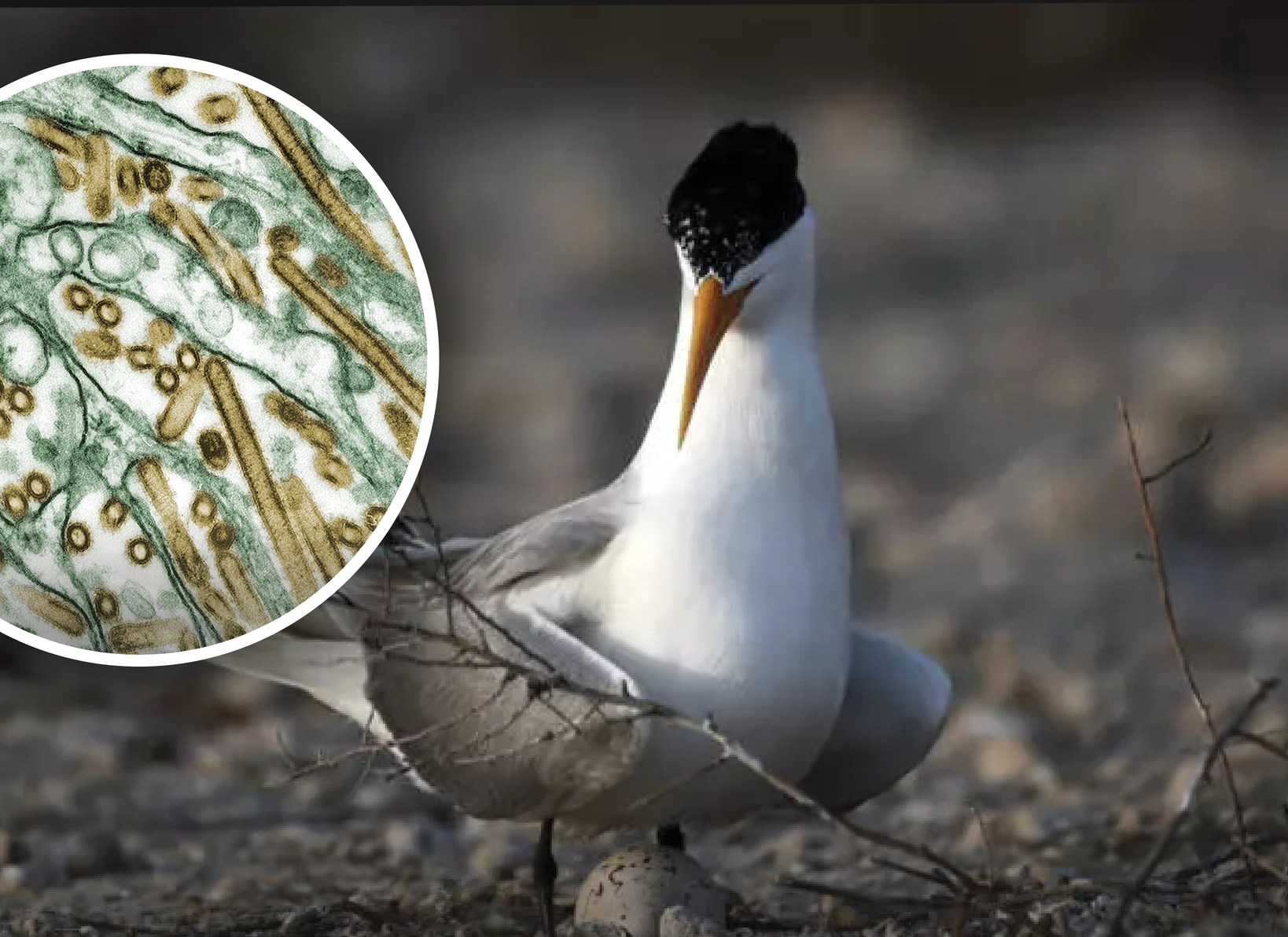

New Zealand has recorded its first case of the H5N1 bird flu after a brown skua found on a Wellington beach tested positive for the virus today.
Biosecurity Minister Andrew Hoggard confirmed the ocean-going seabird, located at Petone beach, was infected with the H5N1 avian influenza clade 2.3.4.4b strain.
While it is the first detection in the country, officials say the public health risk is low. The virus rarely affects humans unless there is prolonged, direct contact with sick birds, and poultry products remain safe to eat.
Hoggard said the single coastal detection showed no evidence of transmission between wild birds or mass mortality in New Zealand.
"The situation is being closely monitored, but at this stage there is no evidence of any illness beyond this seabird," Hoggard said. "We’ve had people out on Petone beach checking and found no other issues."
Hoggard asked communities to follow official advice and keep their distance from wildlife. "It is vital that people do not touch or handle unwell birds," he said.
Anyone spotting three or more sick or dead birds in a group is urged to contact the Ministry for Primary Industries (MPI) pest and disease hotline.
No cases have been detected in poultry. MPI is actively working alongside the poultry industry to maintain biosecurity plans established last September to protect the nation's chicken and egg supply.
The Department of Conservation has also initiated a vaccination programme for 300 core breeding birds from endangered native species, including the kākāpō and takahē, to manage the threat to vulnerable wildlife.
Recent coastal detections of single infected birds in Australia have followed a similar pattern, avoiding mass mortalities.
Officials maintain that New Zealand is well prepared to respond to the situation as it develops.