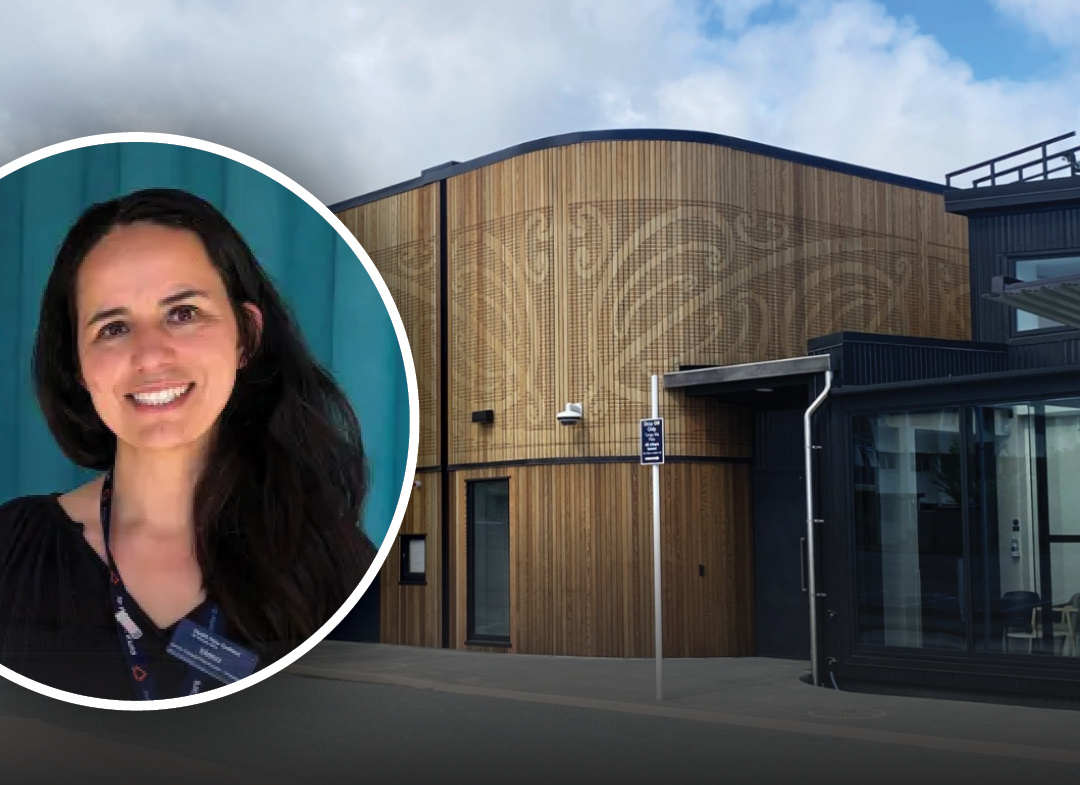
Patients receiving treatment at the Taranaki Cancer Centre are benefiting from a new permanent specialist pharmacist role designed to keep complex care plans on track.
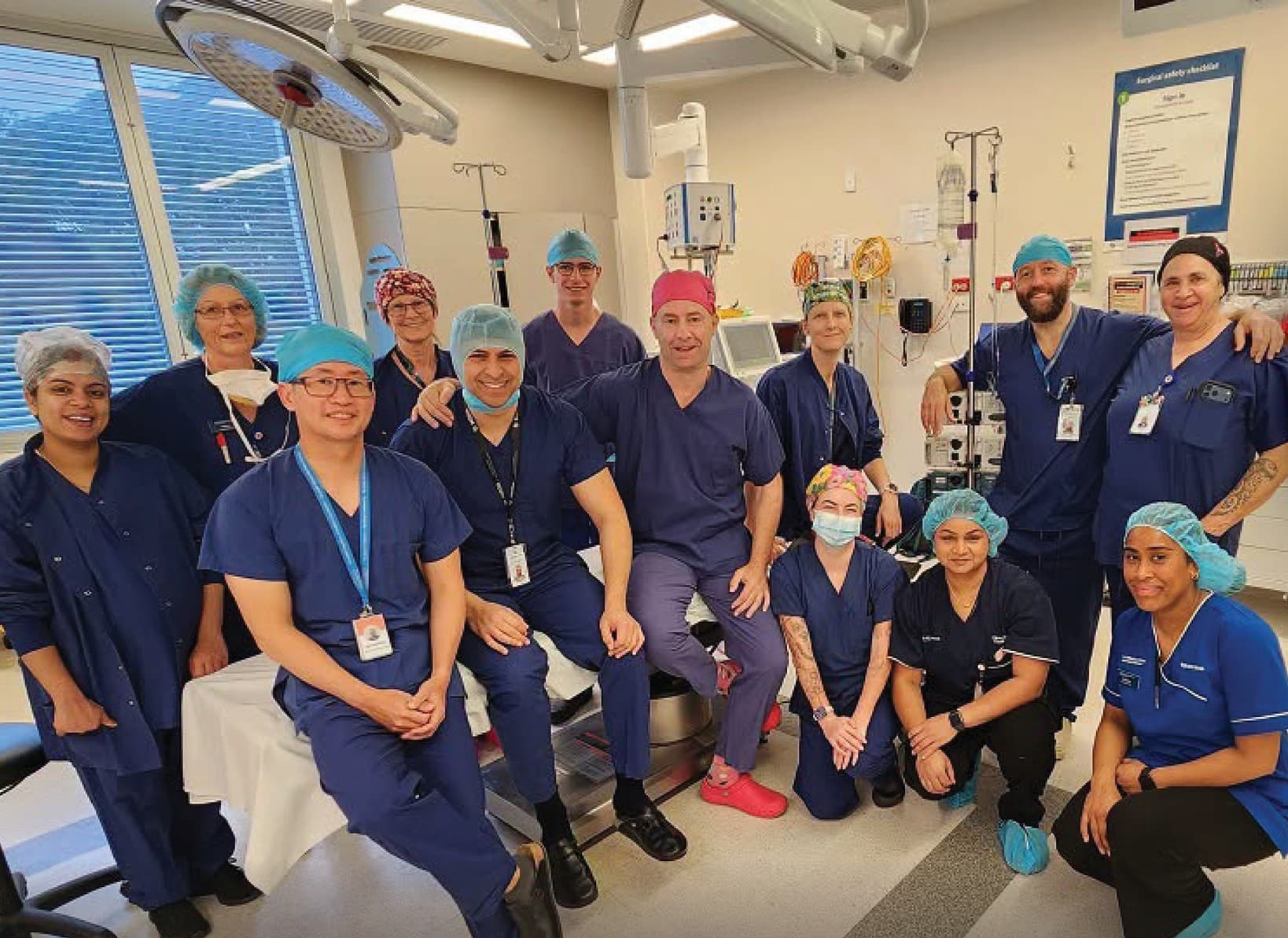
Senior oncology clinical pharmacist Diana Harkin is now based directly inside the centre's oncology pharmacy. Her office sits just metres from the treatment area, connected to the nurses' station by a sliding window. This close physical proximity allows her to collaborate instantly with doctors, nurses and cancer nurse specialists to monitor patients at every stage of their treatment.
Harkin says being stationed right next door makes a significant difference for both staff and patients.
"It means I can answer questions straight away and work through complex medication issues as they arise," she says. "Talking directly with nurses and patients helps us keep treatment plans on track and respond quickly when changes are needed."
A crucial part of her day involves reviewing chemotherapy treatments to guarantee doses are safe before they reach the patient. Oncology medicines can be highly toxic, requiring careful checks against a patient's blood results, existing health conditions and potential side effects from previous rounds of treatment. Harkin works alongside a team of experienced pharmacy technicians who handle the ordering, dispensing and claiming of these medications.
"We're treating cancer, so treatment needs to be effective, but we also need to consider blood results, side effects, other health conditions and any other medications they might be taking," Harkin says.
The logistics of providing cancer care in Taranaki add another layer of complexity to the role. Many chemotherapy drugs used locally are individually prepared in Auckland and transported down to New Plymouth. This requires strict coordination to ensure the medication is ready precisely when patients need it, which can be challenging if a patient's health status changes at the last minute.
Pharmacy professional lead for Taranaki Kasey Wheatley says while clinical pharmacists have supported local cancer services for years, having a dedicated expert permanently on site strengthens the entire system.
"Having a dedicated oncology pharmacist based within the cancer centre means specialist advice is available when it's needed," Wheatley says. "That's beneficial for both clinical teams and our patients."