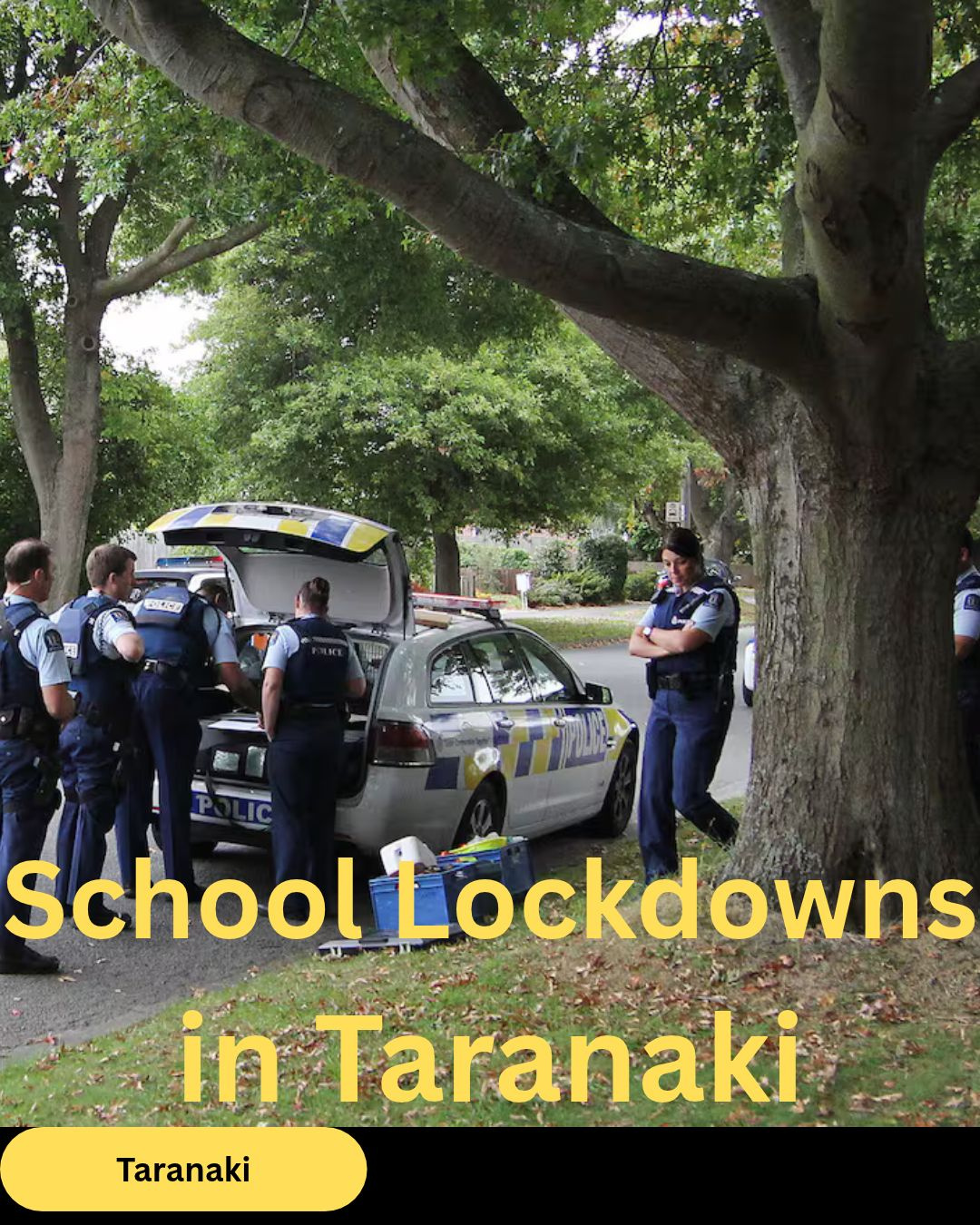

School lockdowns: How common are they in Taranaki ?
Lockdowns are becoming an increasingly familiar experience for New Zealand schools. But how often do they happen, what triggers them, and how serious is the threat to students and teachers?
Two recent incidents have brought the issue close to home.
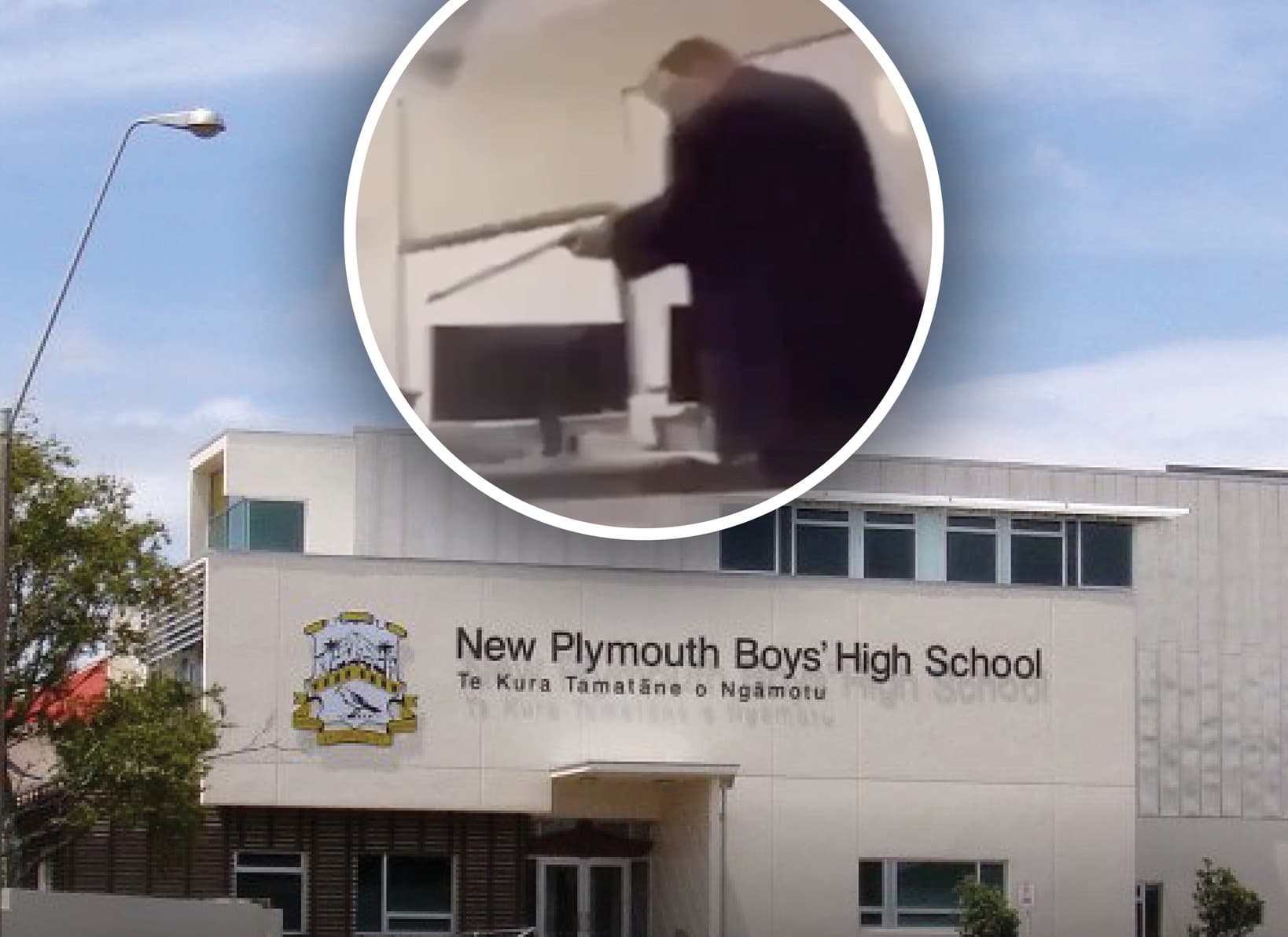
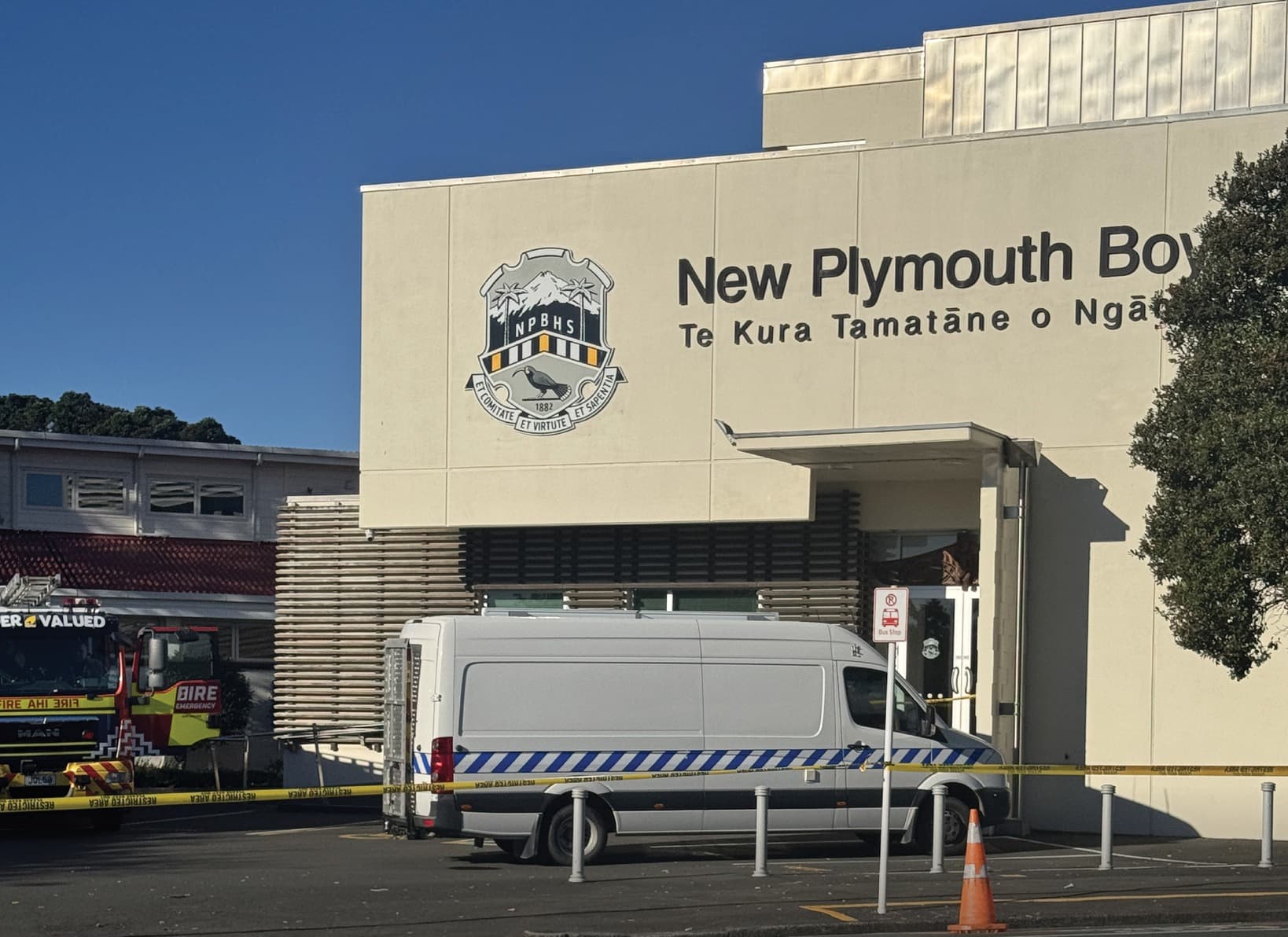
On November 10, New Plymouth Boys’ High School was placed into lockdown after police received a report of a threat. Armed police, including the Armed Offenders Squad, attended as a precaution. The lockdown was eventually lifted, with no reported injuries.
In August 2026, several Stratford schools and early childhood centres were also locked down following reports of a firearm being discharged in the town. Stratford High School, Taranaki Diocesan School for Girls and several early childhood centres were among those affected.
These incidents highlight an important point: a lockdown does not necessarily mean an attacker is inside a school. Police may ask schools to secure their premises because of a potential threat in the surrounding neighbourhood.
How common are lockdowns?
Surprisingly, nobody can provide a definitive national figure.
The Ministry of Education has previously acknowledged that it does not centrally record every school and early childhood centre lockdown. Consequently, there is no reliable annual total showing how many lockdowns occur across New Zealand, or how Taranaki compares with other regions.
While reports of lockdowns have become more noticeable, that does not necessarily mean schools are becoming more dangerous. Greater awareness, improved emergency procedures and precautionary police responses can all contribute to more reported incidents.
What happens during a lockdown?
Although each school has its own emergency plan, the general procedure is straightforward.
1. The warning: The principal or delegated staff member activates the lockdown, sometimes following police instructions.
2. Secure the buildings: Students and staff move indoors if safe, classroom doors and entrances are secured, and windows and blinds are closed where appropriate.
3. Keep everyone safe: Students remain quiet and away from windows. Teachers supervise their classes, account for students and follow emergency instructions.
4. Wait for police: Nobody leaves classrooms or attempts to go home until the all-clear is given.
5. Contact parents: Schools generally use text messages, emails or school apps to update families.
Parents are asked not to rush to the school, telephone teachers or attempt to collect their children during the incident. This can interfere with police operations and make the situation more difficult to manage.
Schools also need to consider students with disabilities, medical needs and younger children who may find the experience particularly frightening.
Taranaki's grim school history
There is an important historical perspective. Taranaki has not had a known murder committed at a school since April 10, 1968, when Inglewood High School principal Alexander Stuart Black was shot and killed by a 15-year-old pupil on school grounds.
The killing shocked the district. The pupil, Roger John Bennett, was subsequently convicted of murder. It remains a tragic reminder that serious school violence is not entirely new to the region.
Preparedness rather than panic
Lockdowns are understandably frightening for children, parents and teachers. However, they are primarily precautionary measures intended to prevent a dangerous situation becoming a tragedy.
The challenge for schools is to ensure staff know exactly what to do, students understand the instructions and parents know how they will receive information.