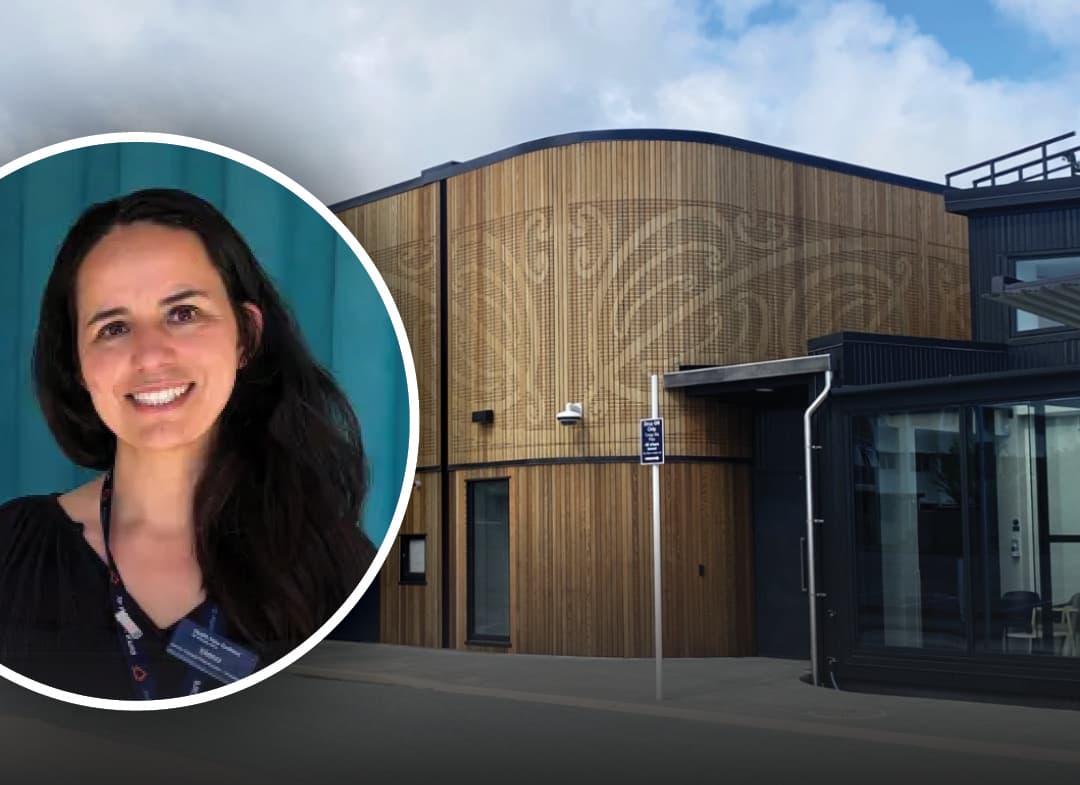

Omata School has packed away the iPads for its junior students in favour of pen, paper and hands-on learning.
The coastal school just south of New Plymouth was an early adopter of classroom tablets but decided to halt their use for Years 1 to 4 students this year.
What began as a one-term trial for five to eight year olds has now been extended to the end of the year to properly gauge the results.
Principal Karen Brisco initiated the shift after reading research about how screen time affects developing brains. "I kept thinking 'I wonder if we should give them a rest and see how it goes', because the research was concerning around the type of learning," Brisco said.
Once the tablets were stored away, teachers quickly noticed a shift in how children approached their classwork.
Brisco said the difference in student interaction was telling and suggested traditional methods were proving more effective. "It seems that the screens, the activities that they do on screens, are not lighting up the learning pathways as strongly as when they are hands-on," she said.
The transition was not without its bumps. Teachers observed some children were highly attached to their digital routines and struggled during the first few weeks without devices.
That early frustration faded by the end of the first term, which gave the school confidence to stick with the trial.
Brisco stressed the decision does not mean the school is entirely anti-technology. "We're not against technology at all. We were early adopters of iPads and laptops right at the very beginning," she said.
Instead, she explained the change is about finding the right balance for developing minds. She summed up the school's approach with a simple philosophy: "When you know better, you do better".
The move aligns with wider advice regarding digital consumption in education. The Paediatric Society of New Zealand currently recommends children aged two to six use screens for no more than 10 to 15 minutes at a time.
Omata School will review the junior syndicate's progress at the end of the year. If the youngest students show improved reading and writing skills, the devices will likely stay in the cupboard. If the data suggests otherwise, the school has left room to change course once again.