
New Zealand's most difficult road to build – and where does Mt Messenger rank?
There is no official ranking of the country's toughest road construction projects, but if we consider the conditions, technology available at the time, engineering challenges and construction risks, one historic project stands out: the Milford Road and its famous Homer Tunnel.
The Milford Road – a remarkable achievement
Construction of the Milford Road began in 1929 as a Depression-era employment project. Workers gradually pushed their way through some of the most inaccessible country in Fiordland.
The biggest obstacle was the Homer Tunnel, a 1,240-metre passage through the Darran Mountains. Work began in 1935, initially with just five men using picks, shovels and wheelbarrows.
The conditions were appalling. The eastern entrance sits high in the mountains, where heavy snowfall and annual rainfall exceeding 6,000 millimetres create enormous difficulties. Avalanches were a constant danger.
In July 1936, an avalanche killed one worker and injured seven others. In May 1937, another avalanche killed the engineer in charge, D.F. Hulse, and overseer T.W. Smith, while seriously injuring three other men.
The tunnel was finally pierced in 1940, but the Second World War and further difficulties delayed completion. It eventually opened in 1953.
The entire Milford Road project took approximately 20 years. Considering the primitive equipment and dangerous conditions, it remains one of New Zealand's outstanding engineering achievements.
So where does Mt Messenger rank?
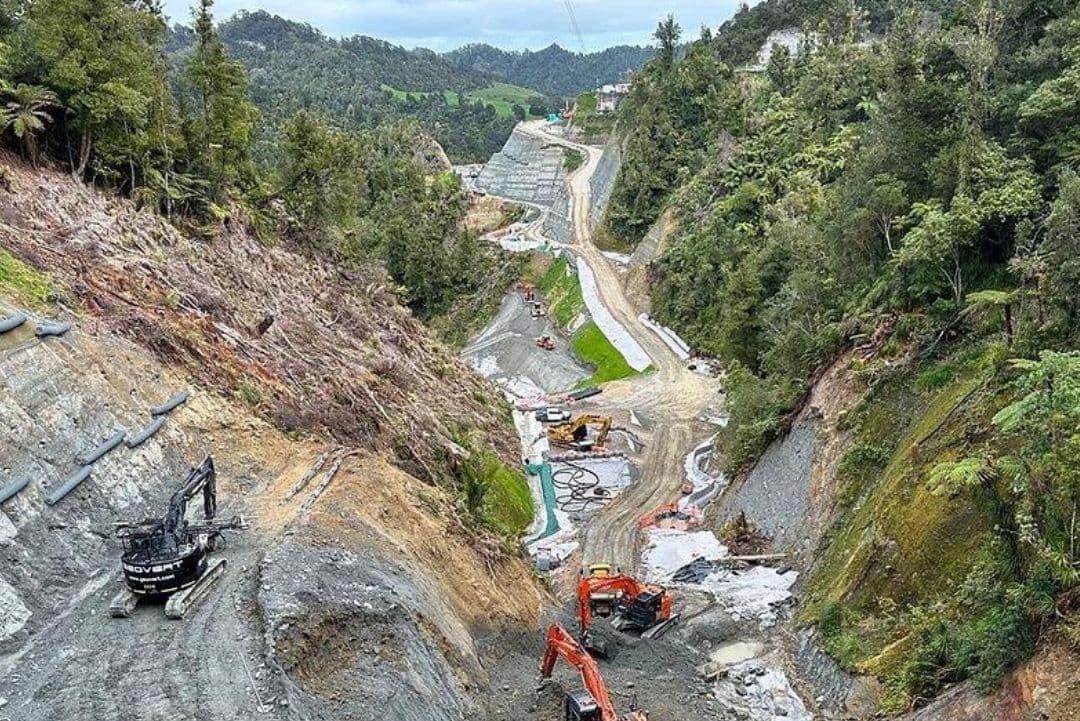
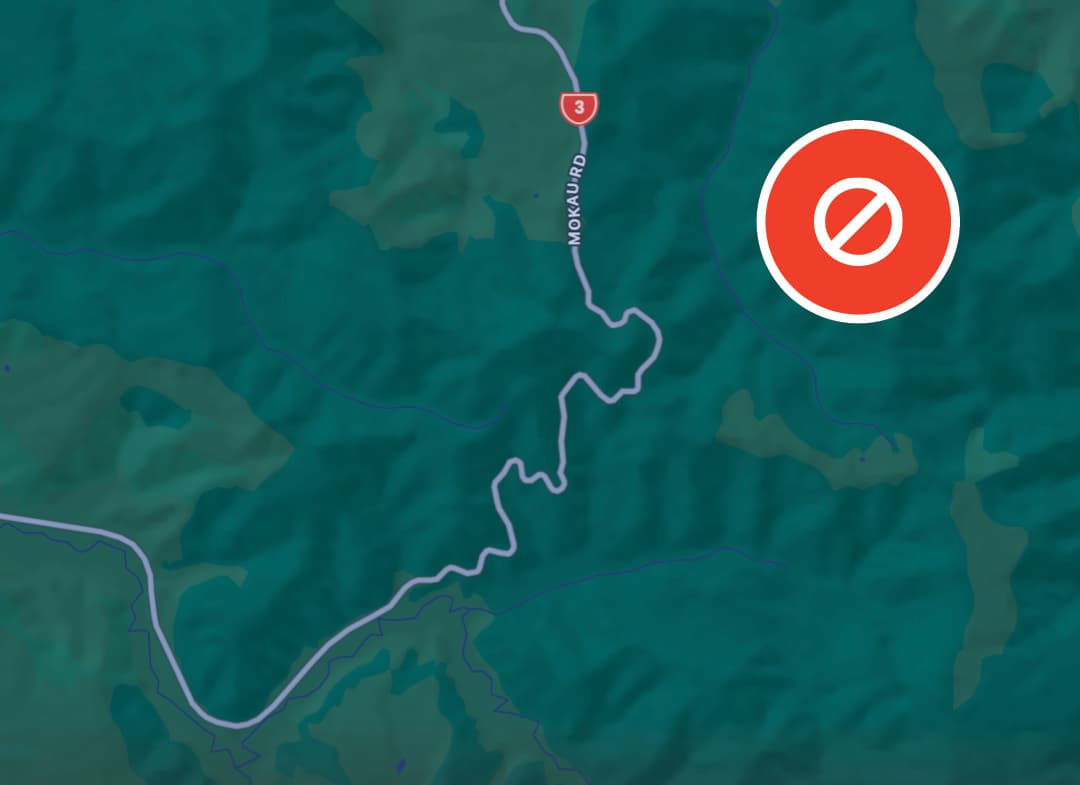
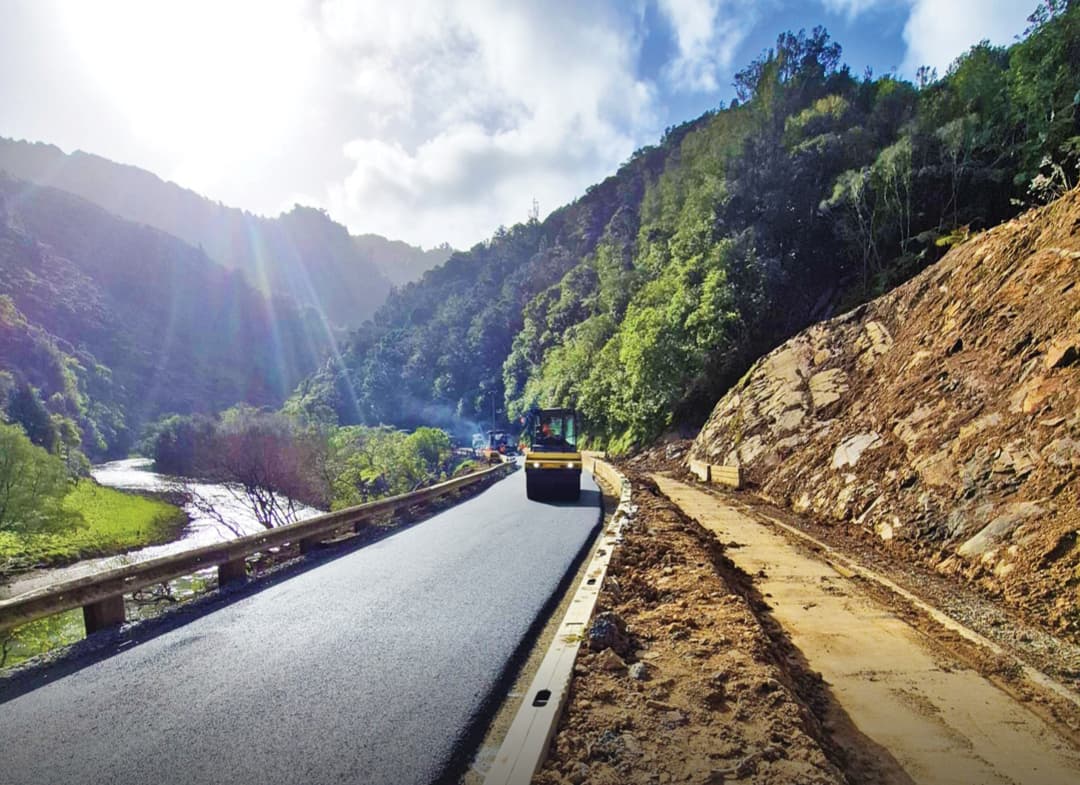
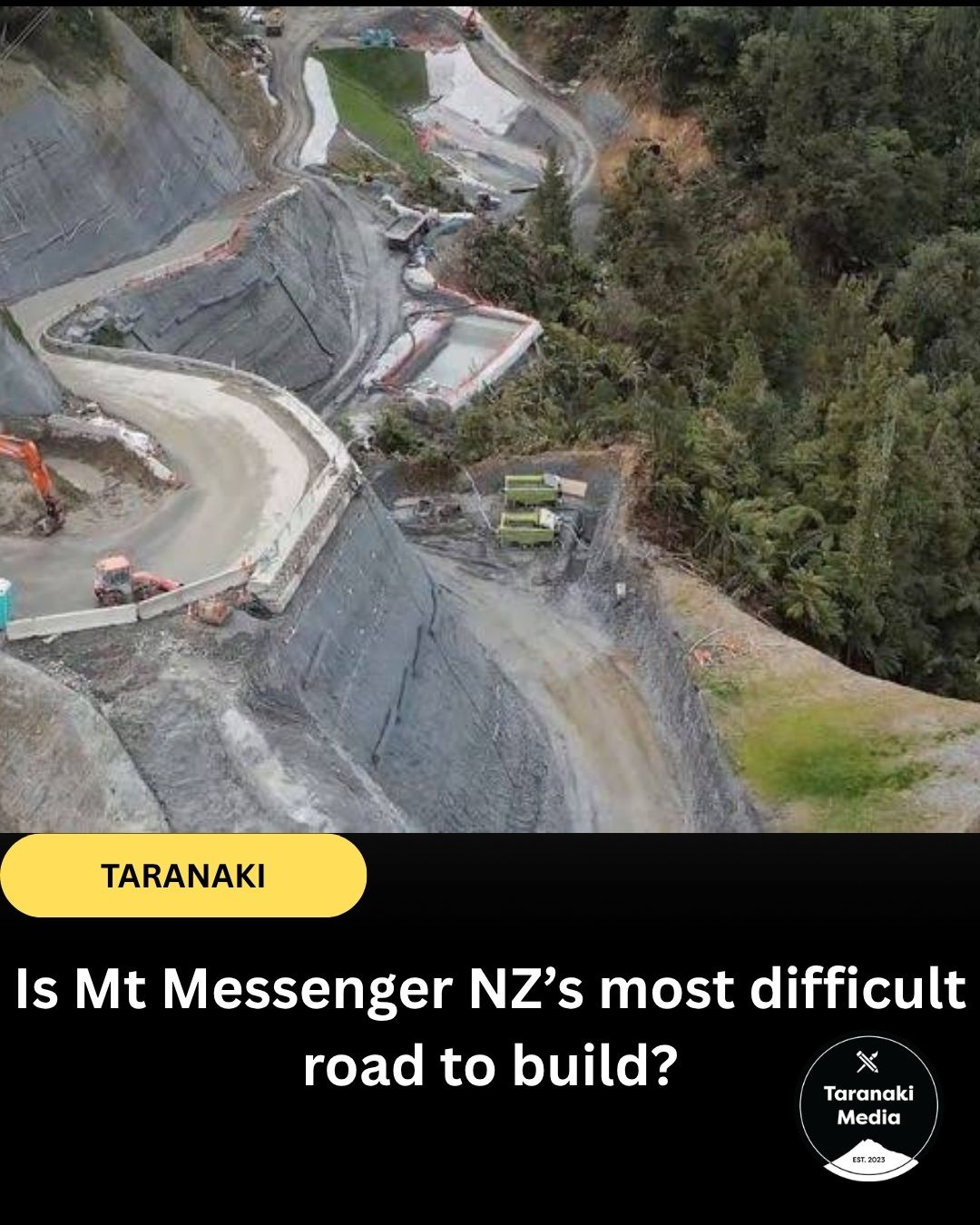
The Te Ara o Te Ata Mt Messenger bypass is arguably among the most challenging modern regional road construction projects in New Zealand.
The six-kilometre route between Urutī and Ahitītī involves approximately 1.4 million cubic metres of earthworks, 17 major rock cuttings, two bridges and a 235-metre tunnel.
The geology is particularly difficult. The Mount Messenger Formation consists of soft sandstone and silty mudstone, making excavations and hillside stabilisation complicated.
Some rock cuttings reach 60 metres in height. Engineers have had to use steel mesh, soil nails and other stabilisation techniques to reduce the risk of material falling onto the new road.
Getting heavy machinery and construction materials into the remote valley has also required considerable ingenuity. A specially constructed cableway was used to transport equipment into difficult-to-access areas.
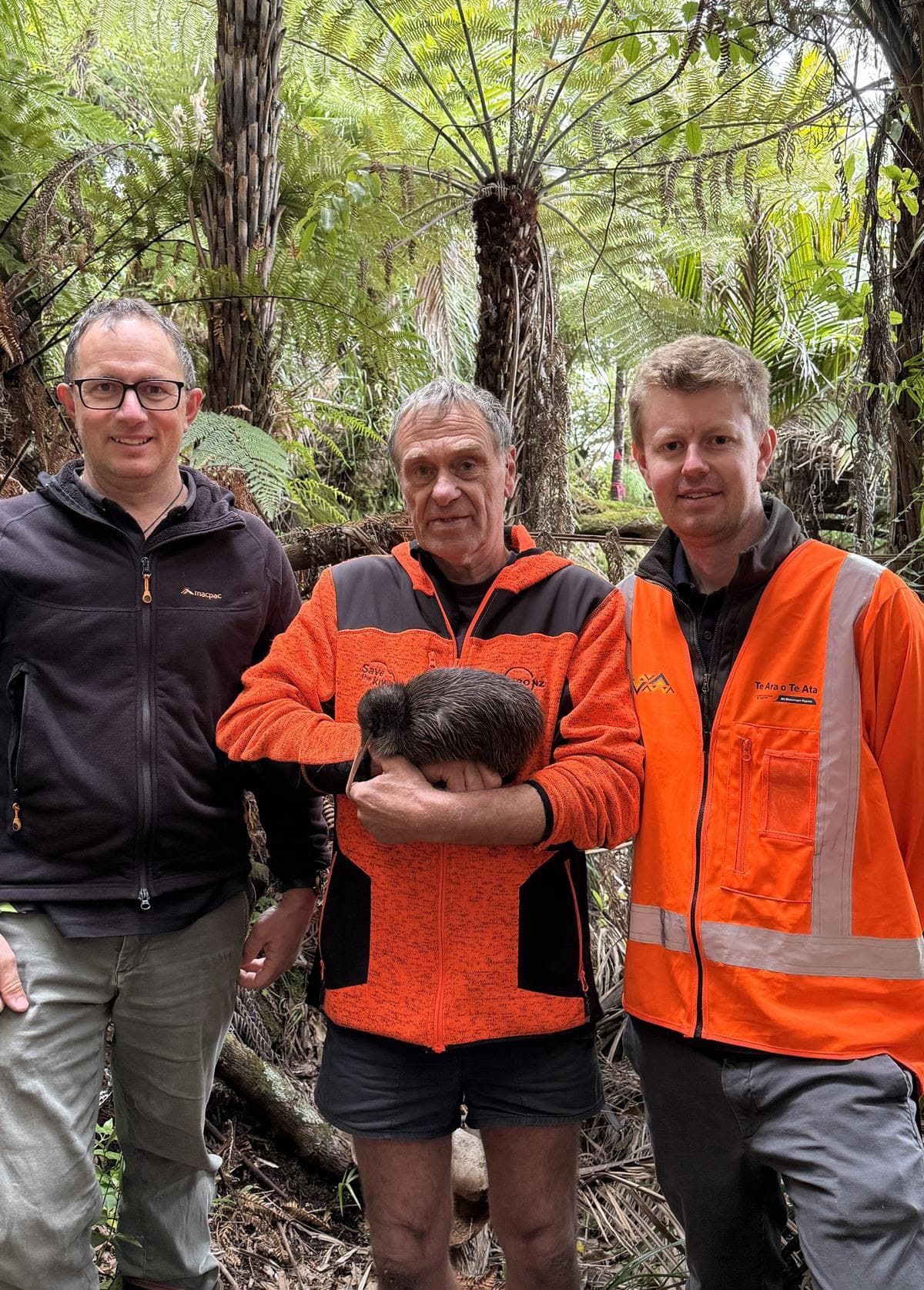
Environmental protection has added another layer of complexity, with a major restoration and pest-management programme covering 3,650 hectares.
The tunnel was fully excavated and lined in early 2026, marking a significant milestone in the project.
The Milford Road and Homer Tunnel deserve recognition as one of the toughest historic road construction achievements in New Zealand, while Mt Messenger is a particularly demanding project because of its geology, terrain and environmental constraints.
I would put Mt Messenger firmly among the country's most challenging modern road projects, although there is no technical national league table that establishes it as second or third.
What do you think? But clearly the massive cost overruns and a failure to procure all the required land has people fired up.