
Mt Messenger's staggering cost blowout: From $89 million to $590 million – how Taranaki's road compares with NZ's biggest roading overruns
Taranaki's Mt Messenger bypass has become one of New Zealand's most expensive infrastructure projects, with its estimated cost increasing by hundreds of millions of dollars. But the scale of the blowout becomes even more extraordinary when compared with the earliest published estimate for the project.
The Te Ara o Te Ata bypass was initially estimated at approximately $89.3 million in 2016, according to figures cited in the project's history. By August 2017, when the preferred route was selected, the estimated cost had increased to $200 million.
The project subsequently acquired a budget of $280 million. In 2025, NZ Transport Agency approved an interim funding adjustment of $365.1 million before its board approved funding of up to $590 million in August 2025 for the southern and central sections.
That means the latest $590 million funding figure is approximately $500.7 million above the 2016 figure of $89.3 million – an astonishing increase of approximately 561 per cent.
Even using the more established $200 million estimate announced when the preferred route was selected in 2017, the increase to $590 million represents an additional $390 million, or 195 per cent.
Compared with the subsequent $280 million project budget, the increase is $310 million, or approximately 111 per cent.
There is an important qualification: the $590 million covers the southern and central sections, while the northern section remains subject to land acquisition proceedings. The earliest $89.3 million figure also requires caution because its scope is not as clearly documented as the later estimates. It is therefore an indicative historical comparison rather than a definitive like-for-like calculation.
How does Mt Messenger compare with New Zealand's biggest roading blowouts?
Research presented by the New Zealand Infrastructure Commission, Te Waihanga, identifies several extraordinary cost increases among major New Zealand roading projects.
The biggest dollar increase in its comparison was the Hamilton section of the Waikato Expressway. Its original estimate was approximately $130 million, but its eventual cost reached $837 million. That represents an additional $707 million, or a staggering 544 per cent increase.
Wellington's Transmission Gully motorway experienced the second-largest increase in the comparison. Originally estimated at $850 million, the 27-kilometre motorway's cost increased to approximately $1.25 billion. That is an additional $400 million, representing a 47 per cent increase.
The Huntly section of the Waikato Expressway also experienced an enormous percentage blowout. Its original estimate was approximately $100 million, but the eventual cost was reported at around $409 million. That represents an additional $309 million, or a 309 per cent increase.
The Peka Peka to Ōtaki section of the Kāpiti Expressway increased from an original estimate of approximately $250 million to $445 million. Taxpayers therefore faced an additional $195 million, equivalent to a 78 per cent increase.
Another major project was the Pūhoi to Warkworth motorway. Its original estimate increased by approximately $171 million, representing a 24 per cent increase.
These are historical comparisons published by Te Waihanga, rather than a definitive ranking of every roading project ever undertaken in New Zealand.
Mt Messenger's $310 million increase from the $280 million budget is already greater than the $309 million increase recorded for Huntly. Its 111 per cent increase also exceeds the percentage increases recorded for Transmission Gully and the Kāpiti Expressway.
Why has Mt Messenger become so expensive?
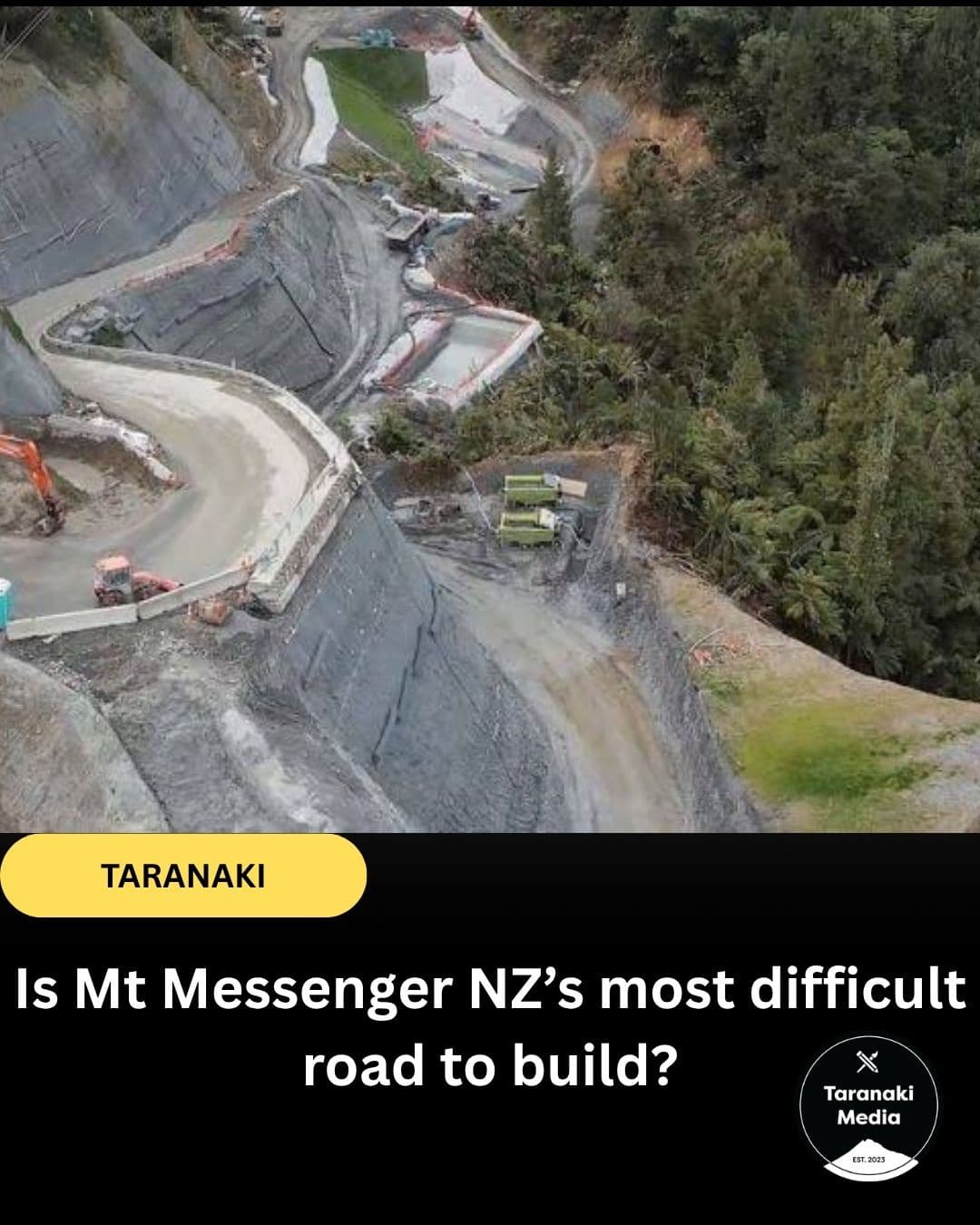
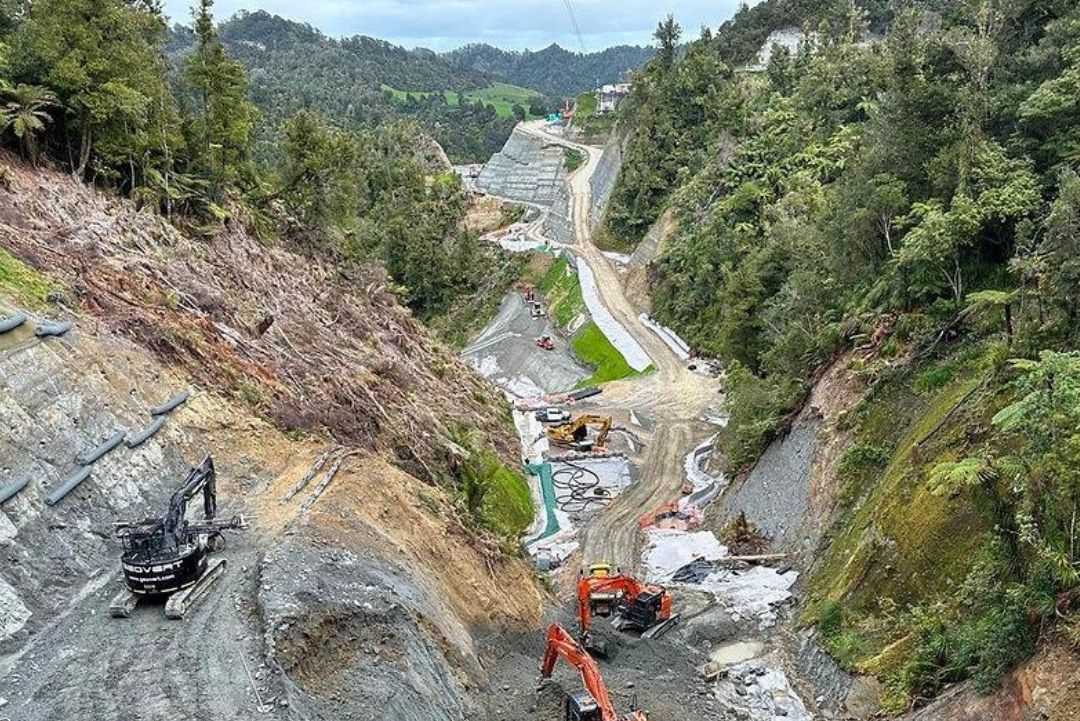
The six-kilometre bypass is an exceptionally complicated engineering project.
It involves constructing a 235-metre tunnel, two bridges measuring approximately 125 metres and 30 metres, and excavating approximately 1.4 million cubic metres of earth and rock.
The route passes through the Mount Messenger Formation, an area of challenging geology involving soft sandstone and silty mudstone. Engineers have had to undertake extensive stabilisation work, including 17 major rock cuttings, some reaching 60 metres in height.
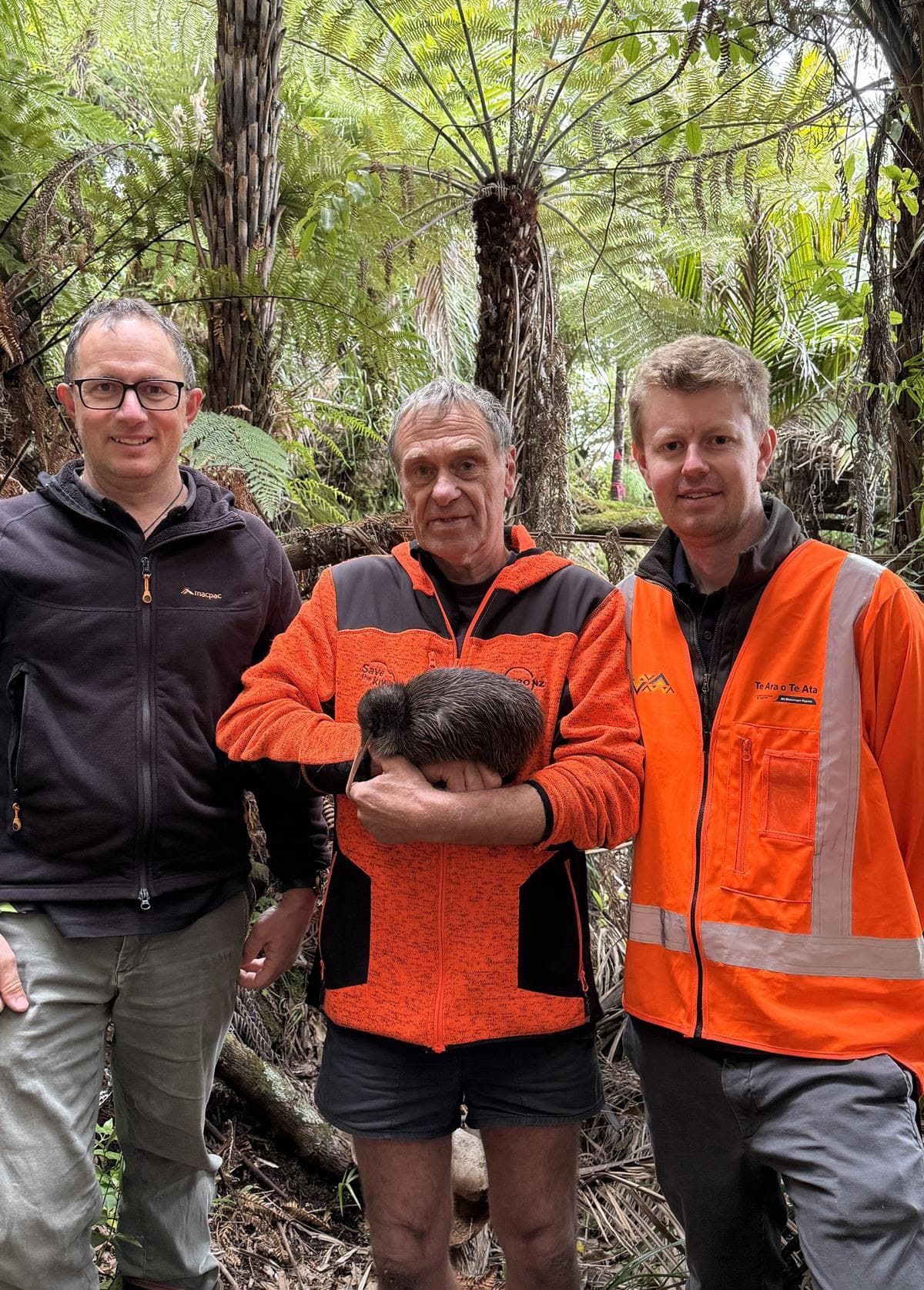
The project also involves significant environmental obligations, including native vegetation protection, wildlife management and an environmental restoration and pest-management programme covering approximately 3,650 hectares.
Legal disputes over access to land have also had a substantial financial impact. In a May 2026 Official Information Act response, NZTA confirmed that legal proceedings had delayed access to the northern section by at least four years, requiring construction to be reorganised.
The agency also identified substantial post-COVID construction cost escalation.
NZTA has attributed approximately $350 million in increased costs to legal challenges and associated delays. However, this is the agency's assessment, which has been disputed by the affected landowners.
A national infrastructure problem
The Mt Messenger experience is not unique. Te Waihanga examined 55 major New Zealand infrastructure projects and found that 72 per cent had exceeded their original budgets. The average cost overrun was 23 per cent.
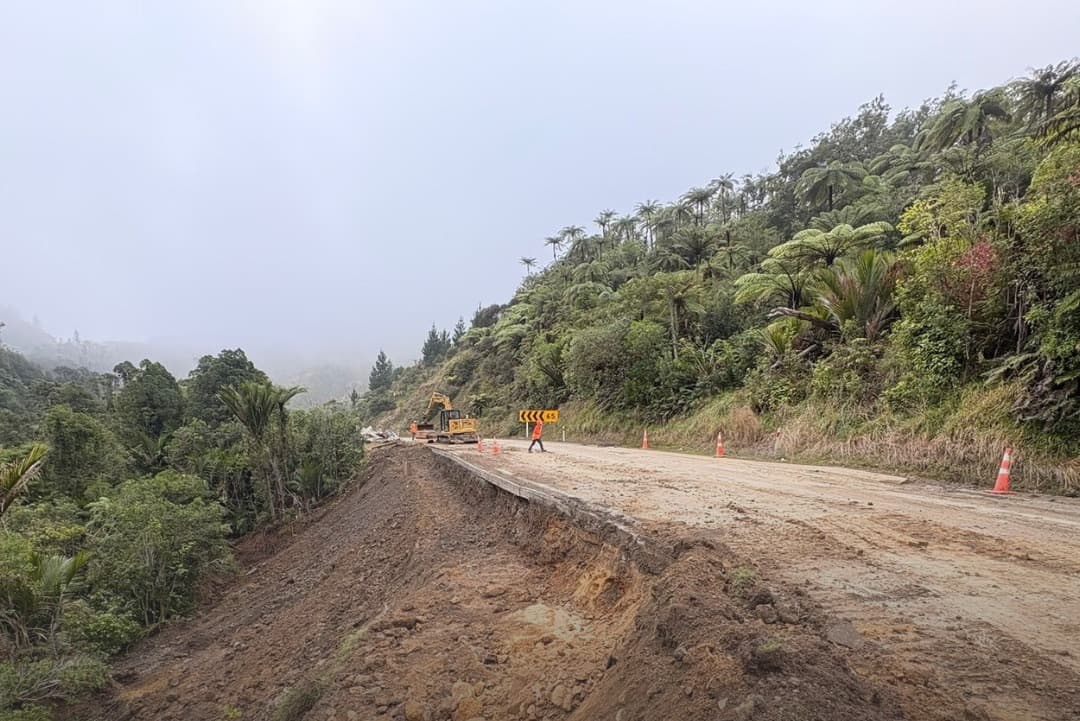
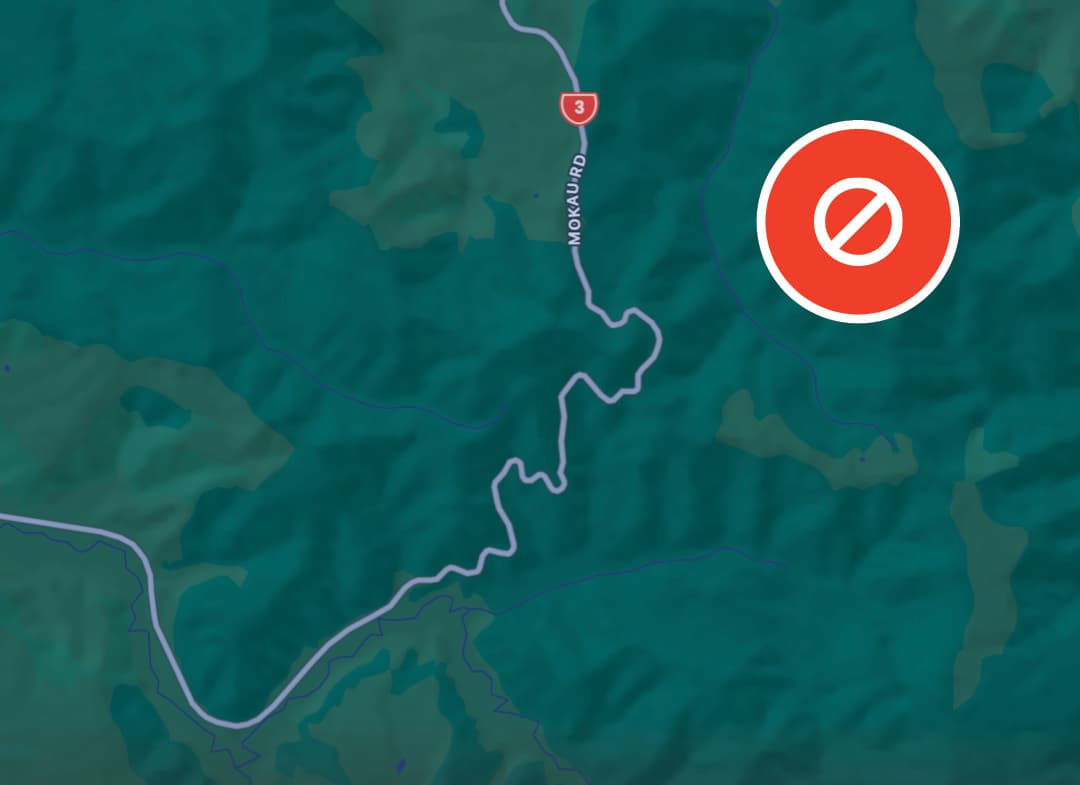
For Taranaki, there is little doubt that a safer and more reliable route over Mt Messenger is desirable. The existing road is steep, winding and vulnerable to slips and closures.
But the extraordinary escalation raises legitimate questions about the quality of the original estimates, the management of legal and construction risks, and whether taxpayers were adequately informed about the potential costs.
A project that began with an early estimate of around $89 million, progressed to a $200 million preferred-route estimate and subsequently reached a $280 million budget has now attracted funding of up to $590 million for only part of the completed route.
The question facing taxpayers is no longer simply whether Mt Messenger needs a bypass. It is how much the finished road will ultimately cost – and whether the public could have been given a more realistic estimate from the beginning.