
The Green Party has revealed an ambitious election energy policy promising a new state-owned power generator named Kiwipower, zero-interest solar loans, and an aggressive push to transition households away from natural gas.
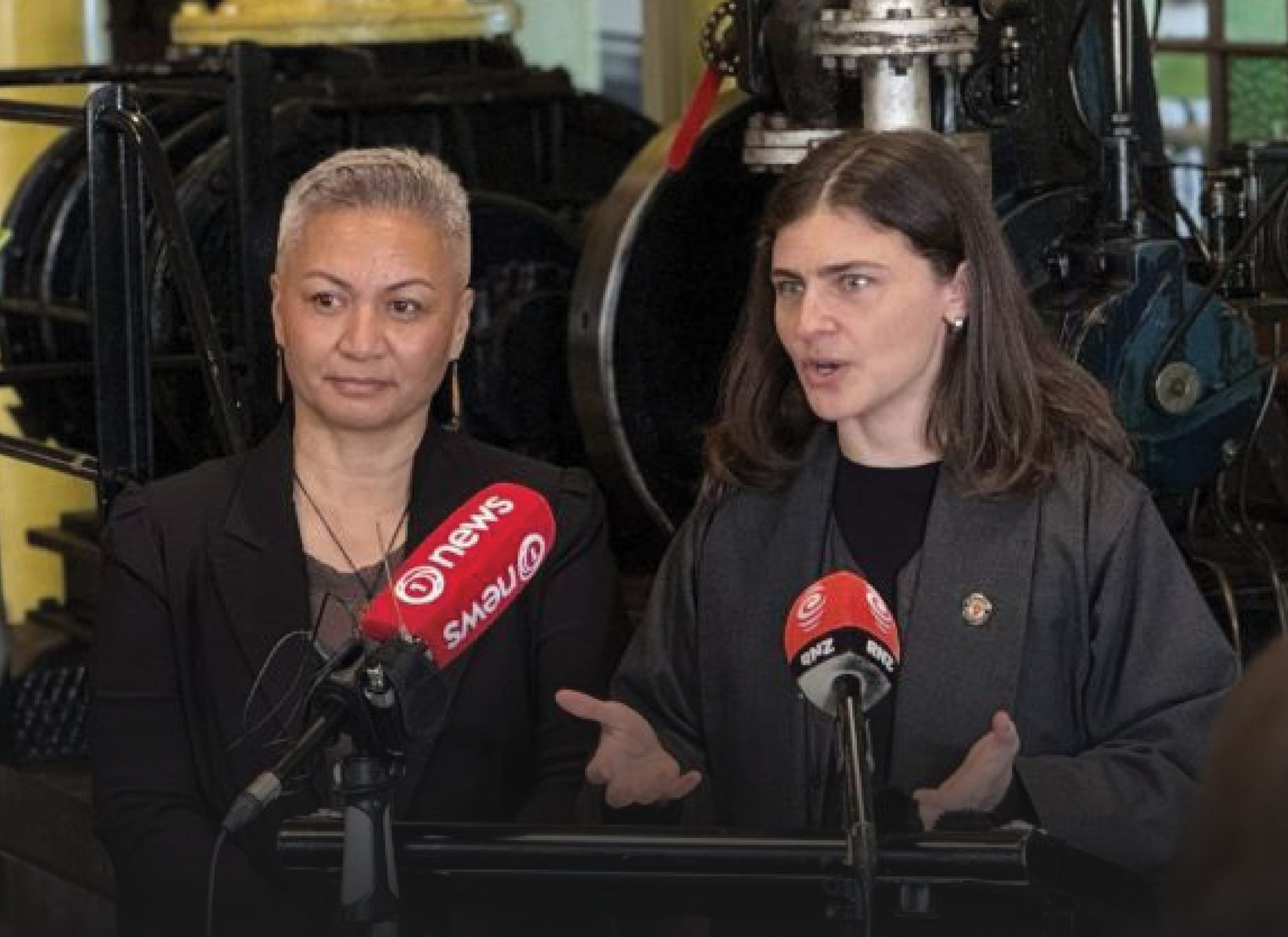
Party co-leaders Chlöe Swarbrick and Marama Davidson launched the "Power for All of Us" package at the Dunedin Gasworks Museum on Monday.
The policy is pitched as a direct intervention to lower power bills and challenge the market dominance of the major power retailers.
At the core of the plan is Kiwipower, a proposed State Owned Enterprise (SOE) that would invest directly in new renewable generation to ensure dry-year energy security without relying on imported fossil fuels.
Swarbrick used the historic venue to draw a line under the party's environmental stance. "Gas belongs in a museum," Swarbrick said.
She criticised the coalition government's proposals for liquefied natural gas (LNG) import terminals, arguing that tying the country to fossil fuels will lock in higher prices.
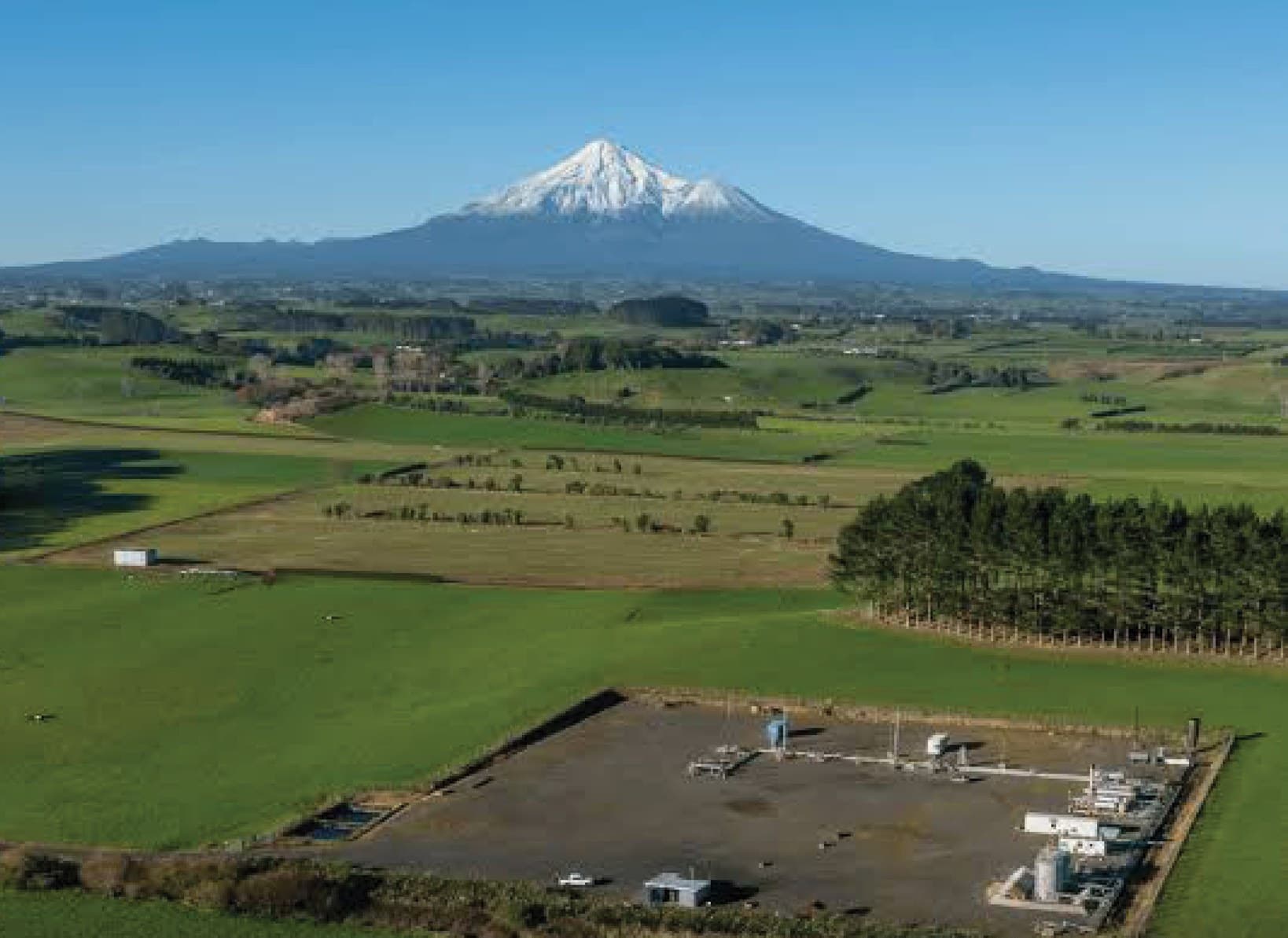
For Taranaki, the announcement highlights a political divide over the region's economic foundation.
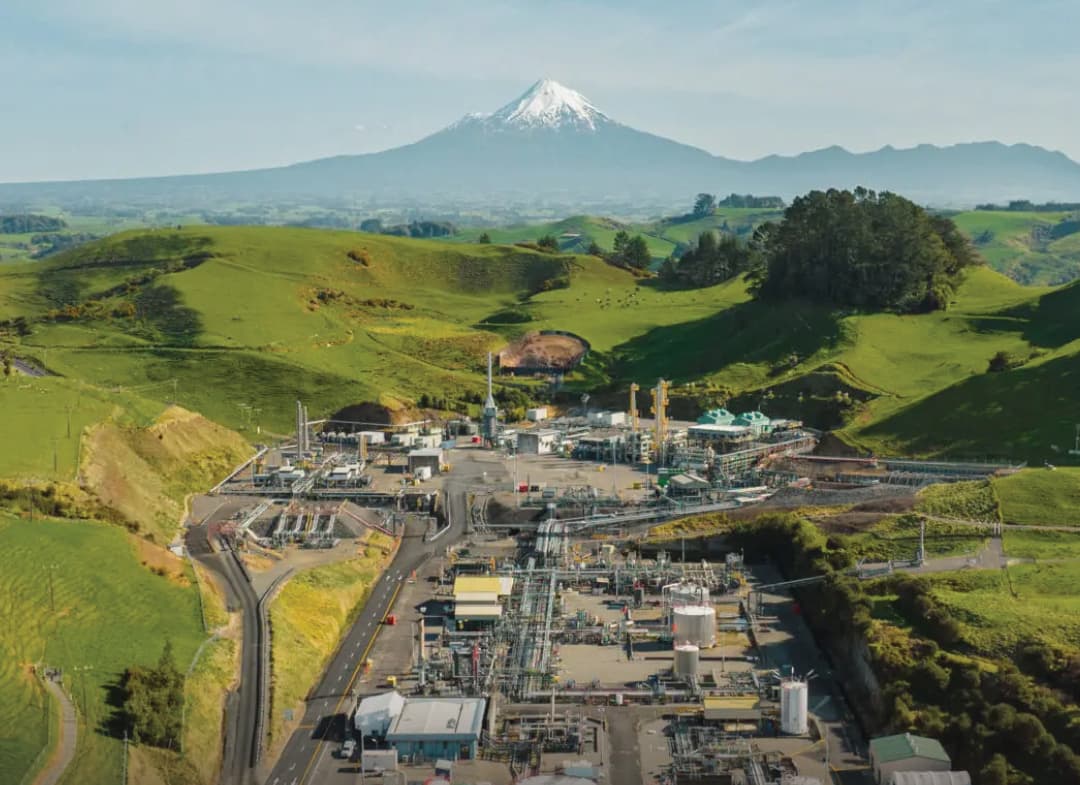
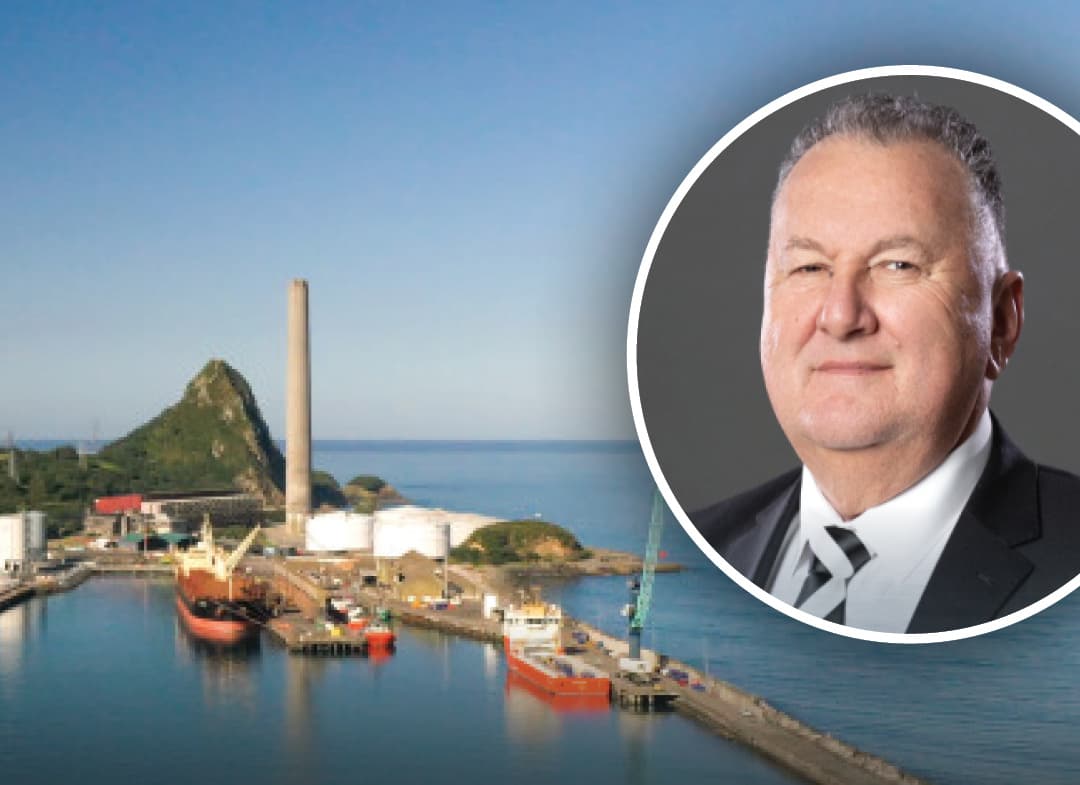
Energy Minister Simeon Brown confirmed the proposed LNG facility would be located in Taranaki to provide dry-year backup fuel, a move the government expects will save households money and create local jobs.
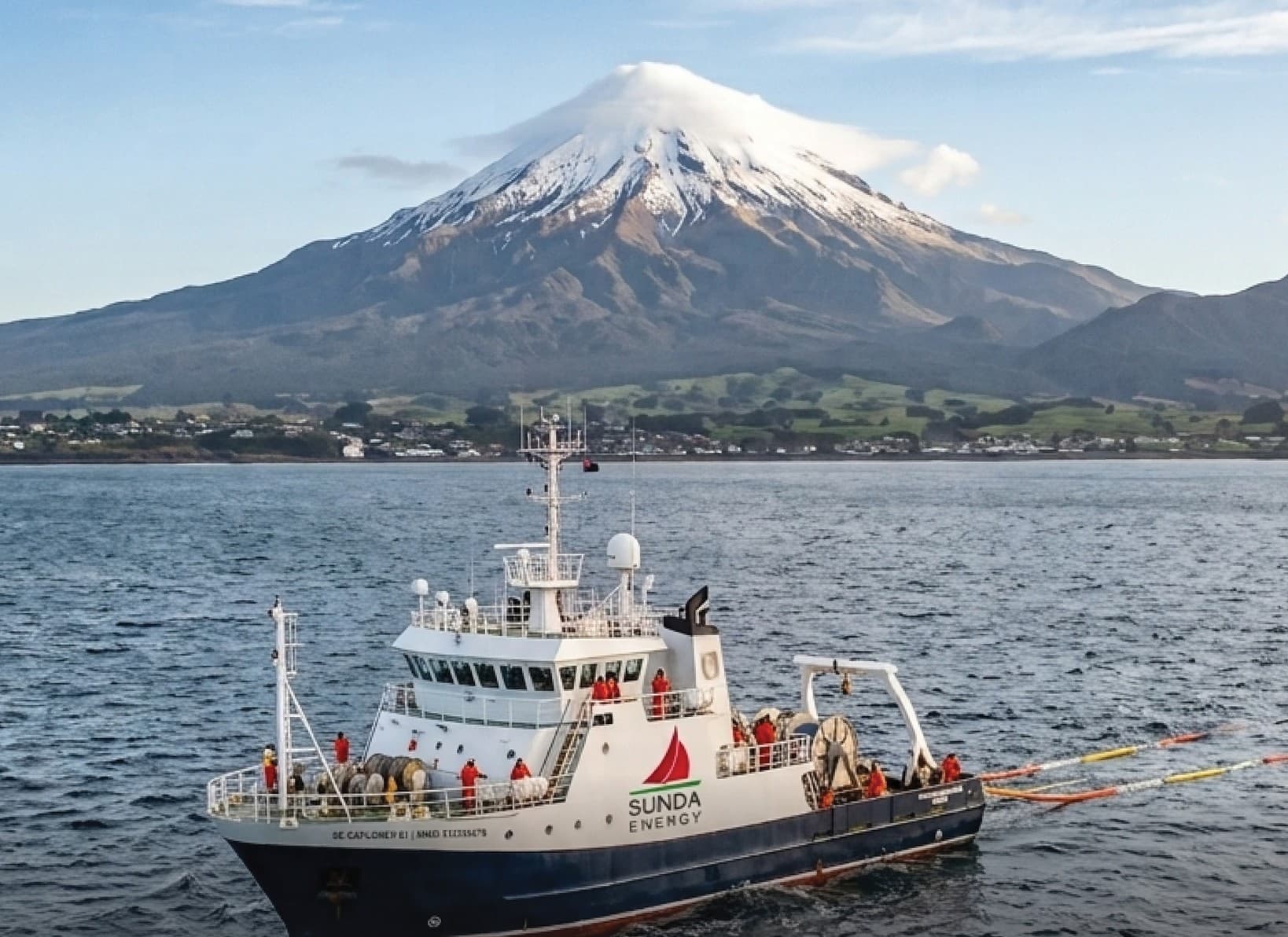
Adding another layer to the energy debate, New Zealand First leader Winston Peters used his weekend party conference to announce a $1 billion policy to survey the country's offshore basins for oil and gas.
ACT Party energy spokesperson Simon Court immediately rejected the Greens' plan. Court argued that the country needs firming generation, like natural gas, to keep the lights on when hydro lakes run low.
Meanwhile, Labour is campaigning on targeted household solar and battery grants. They have stopped short of proposing a new state-owned generator.
The country's energy future is fast becoming a defining issue of this election cycle, placing Taranaki directly in the political crosshairs.
Voters face starkly different visions for the regional economy. The coalition government is banking on local LNG facilities and offshore exploration to secure supply, while the Green Party pushes for a complete pivot toward state-backed renewables.
How these contrasting policies translate to local jobs, household power bills, and industry stability will heavily influence the campaign trail across the region over the coming months.