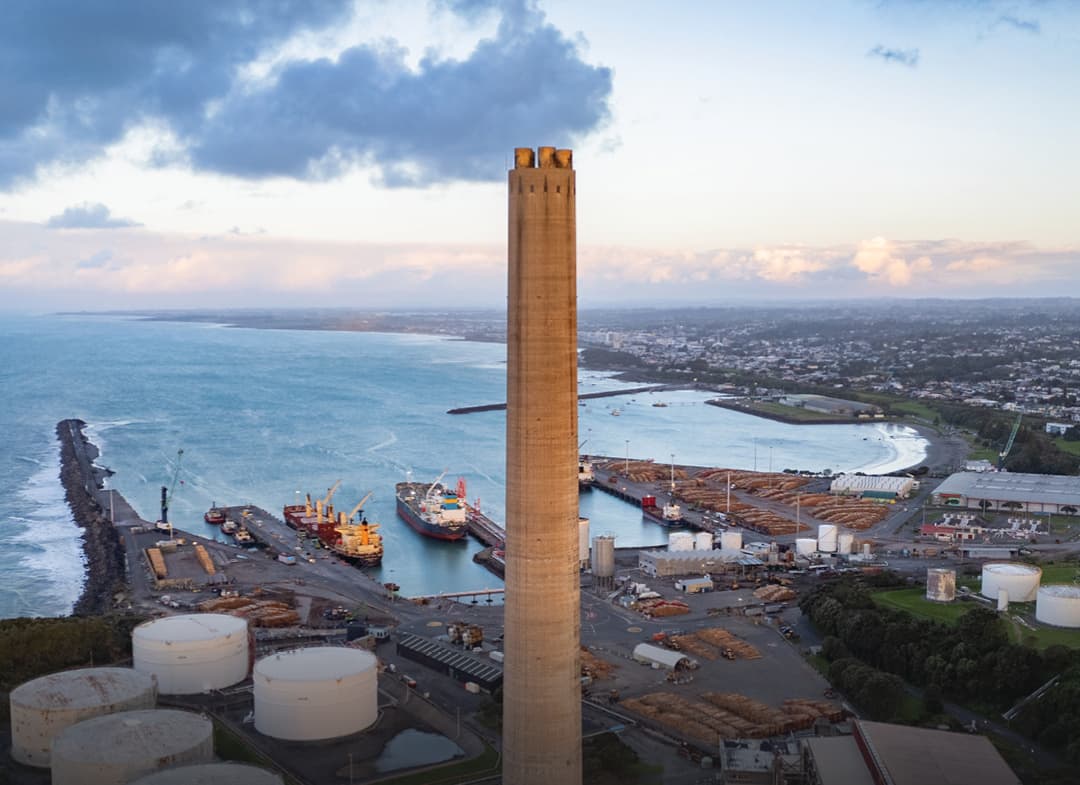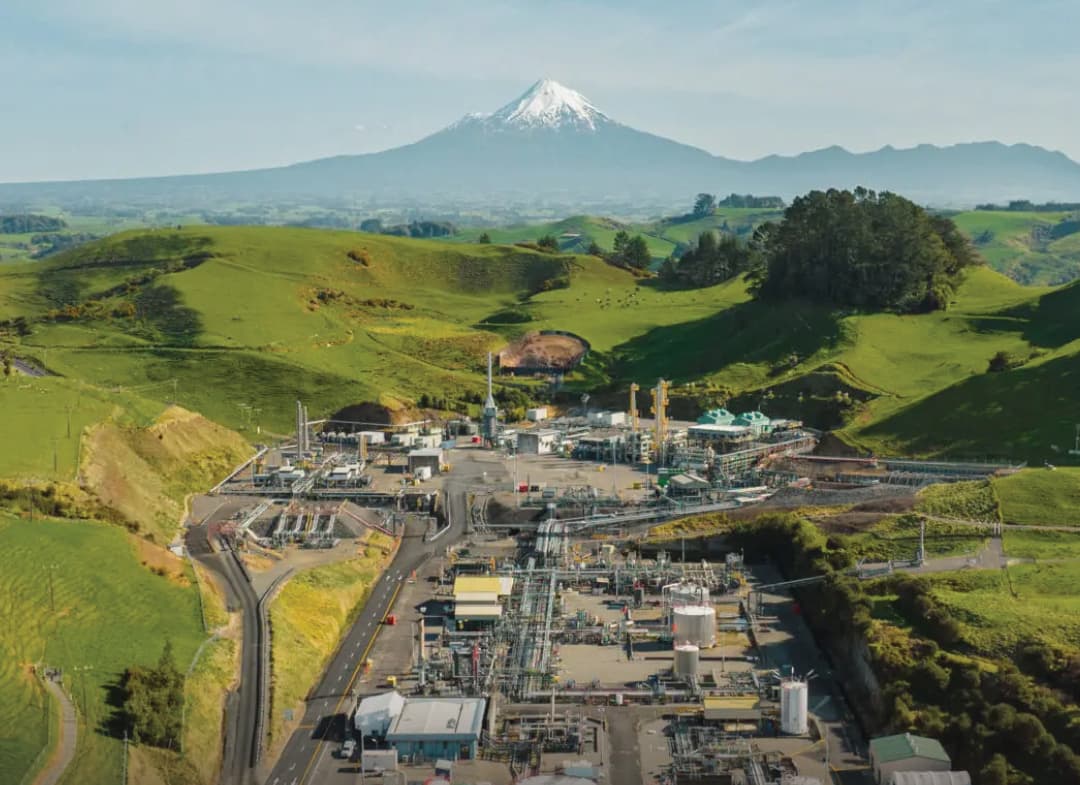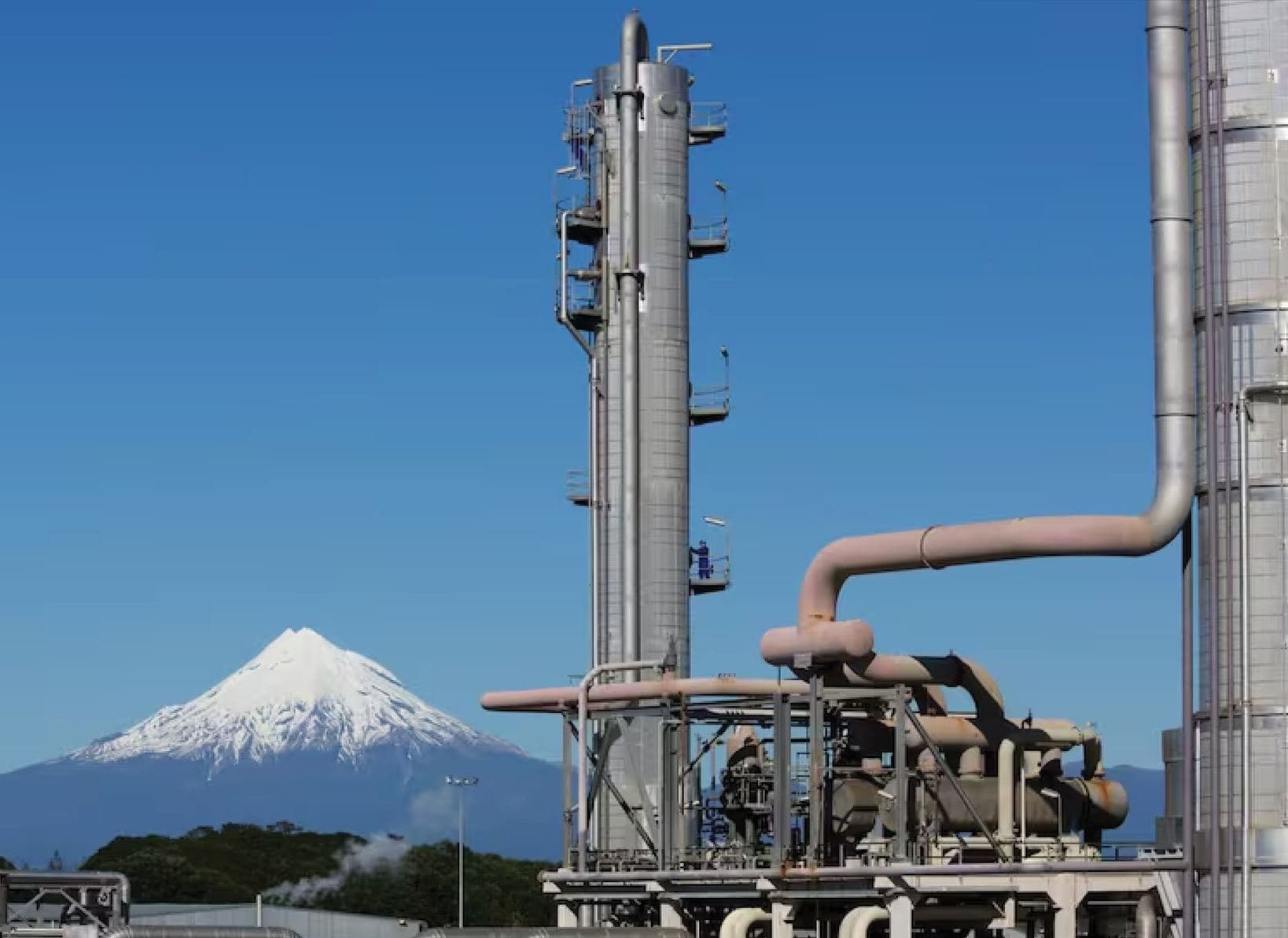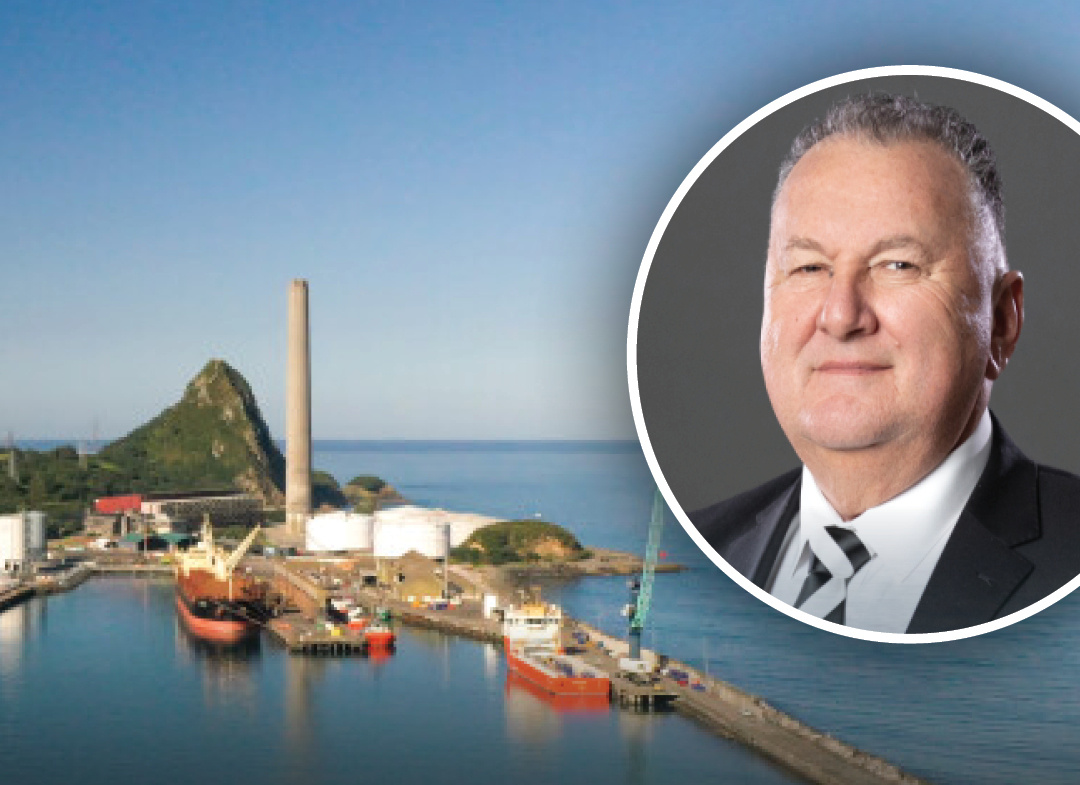

Following the announcement that Methanex will indefinitely idle its Motunui plant in early 2027, Resources Minister Shane Jones has pointed to lucrative military contracts as a vital lifeline for Taranaki’s heavy engineering sector.
The Canadian methanol giant confirmed on Wednesday it is ceasing local production due to dwindling domestic gas supplies. This exit leaves over 150 direct staff facing redundancy and threatens a massive supply chain of regional contractors.
However, Jones told RNZ’s Checkpoint that the government is actively working to pivot the region's highly specialised workforce into defence manufacturing.
"We are about to spend a small fortune on recapitalising the New Zealand military," Jones said during the interview. "A host of the firms, the highly sophisticated engineering firms, they themselves are reorientating to secure contracts associated with the billions of dollars the New Zealand Government over the medium to long term is going to be spending."
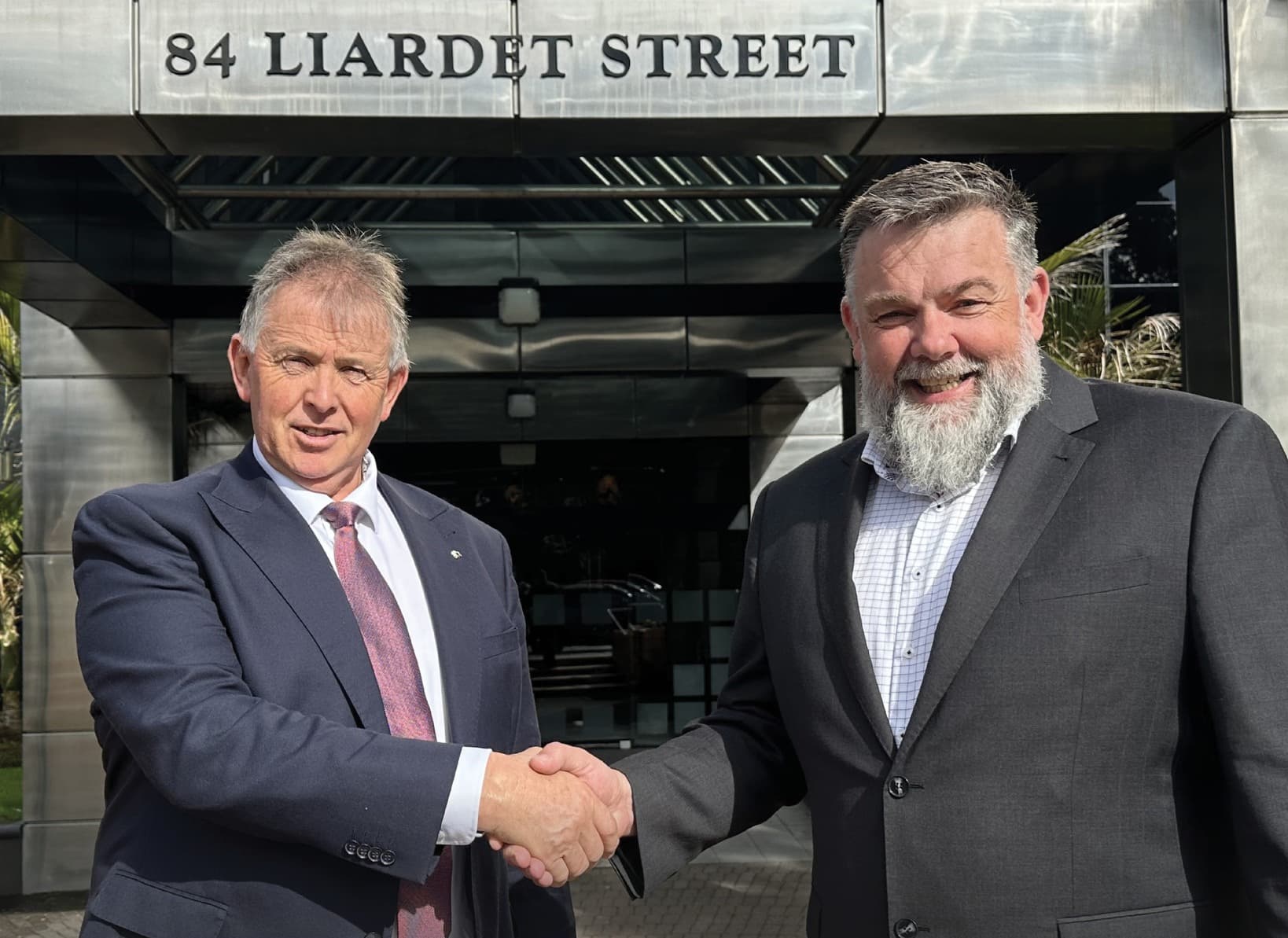
Taranaki has already laid the groundwork for this transition. In February, the Taranaki Alliance signed a memorandum of understanding with British military vehicle manufacturer Supacat. This cooperative unites local manufacturing and specialist service firms to compete collectively for large international contracts.
This agreement establishes a framework for Taranaki businesses to provide fabrication, machining, assembly and logistics support for military vehicles.
Jones attended the signing earlier this year and confirmed the region remains a priority for the government.
"If we’re going to spend a lot of money on behalf of the taxpayers recapitalising our military, we should be damn well spending the money on Kiwi firms," Jones said.
He noted his goal is to employ locals rather than outsourcing an inordinately large amount of work overseas, adding that Taranaki is at the front of the queue.
Local procurement targets are backed by the New Zealand Defence Industry Strategy 2025. This policy requires international contractors to submit New Zealand Industry Capability Plans, ensuring they partner with domestic businesses to deliver the $12 billion Defence Capability Plan.
As the engineering sector looks toward defence, the broader energy market is absorbing the immediate impact of the Methanex closure. Methanex was historically the largest gas consumer in the country. Dropping out of the market frees up significant gas reserves, with Genesis Energy already securing 11.4 petajoules to support its operations.
Jones acknowledged the sudden timeline of the Methanex announcement was a slight surprise, but he highlighted the short-term benefits for other industrial users. He said the newly available gas would help producers of fertiliser and support electricity generation during dry years.
Despite the gas market shifting, the long-term focus for North Taranaki and the wider region is retaining its skilled workforce. With major legacy operations winding down, securing defence manufacturing work offers a potential path forward for local heavy industry.