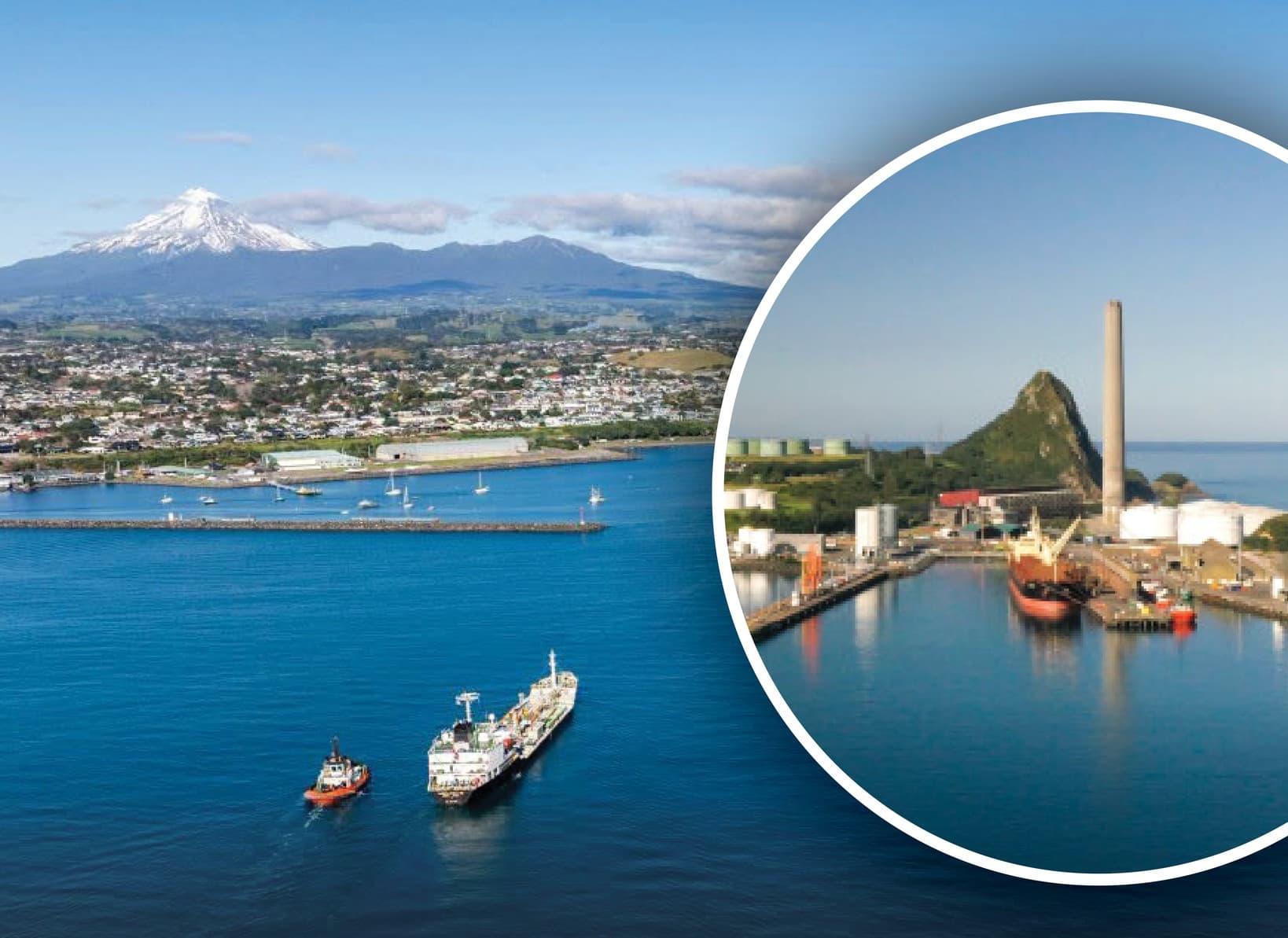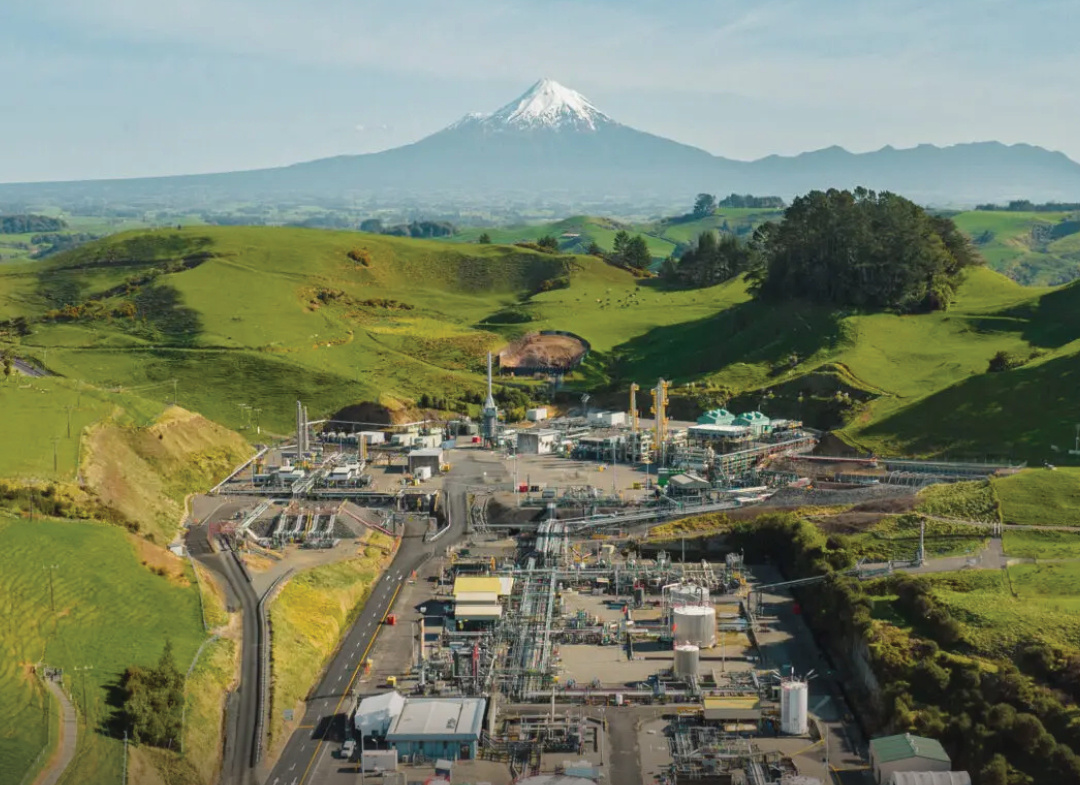

Taranaki-based Todd Energy is set to receive a $23.5 million loan from the Government's controversial Gas Security Fund to squeeze more natural gas from its existing onshore fields.
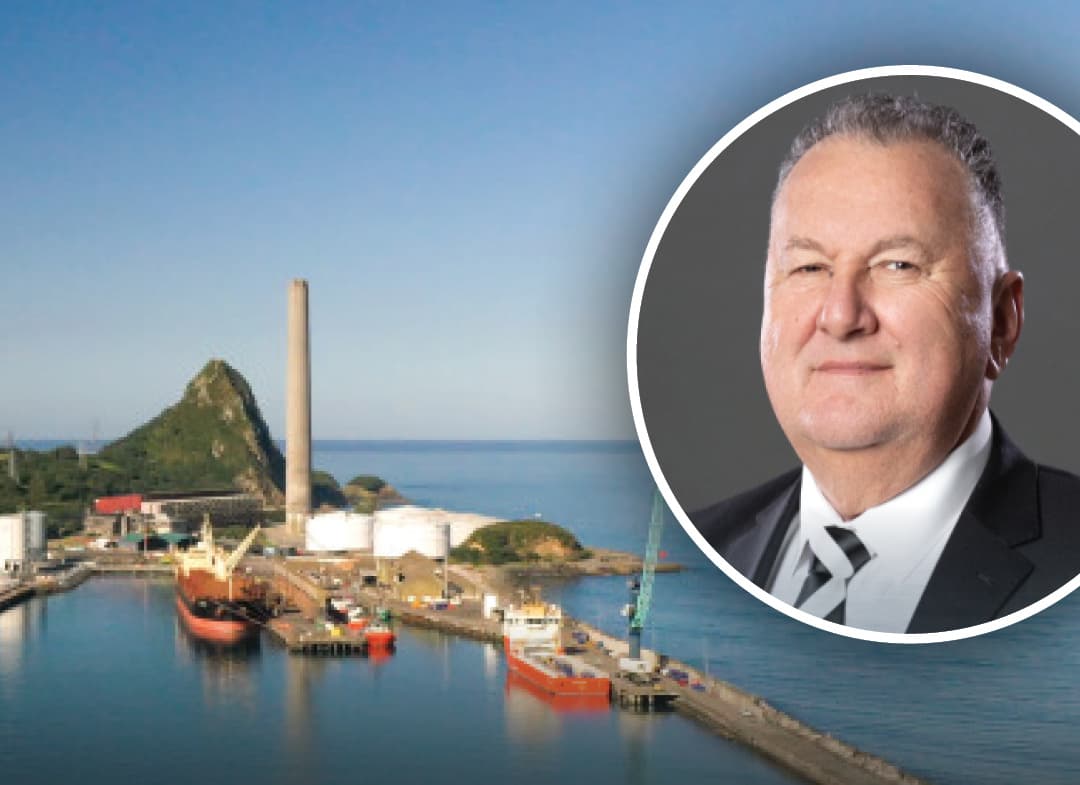
Resources Minister Shane Jones and Associate Finance Minister Chris Bishop announced the investment on Monday morning.
The funding marks the first payout from the $200 million pool, which is designed to boost New Zealand's dwindling energy reserves.
The money will be split across two distinct projects in North Taranaki:
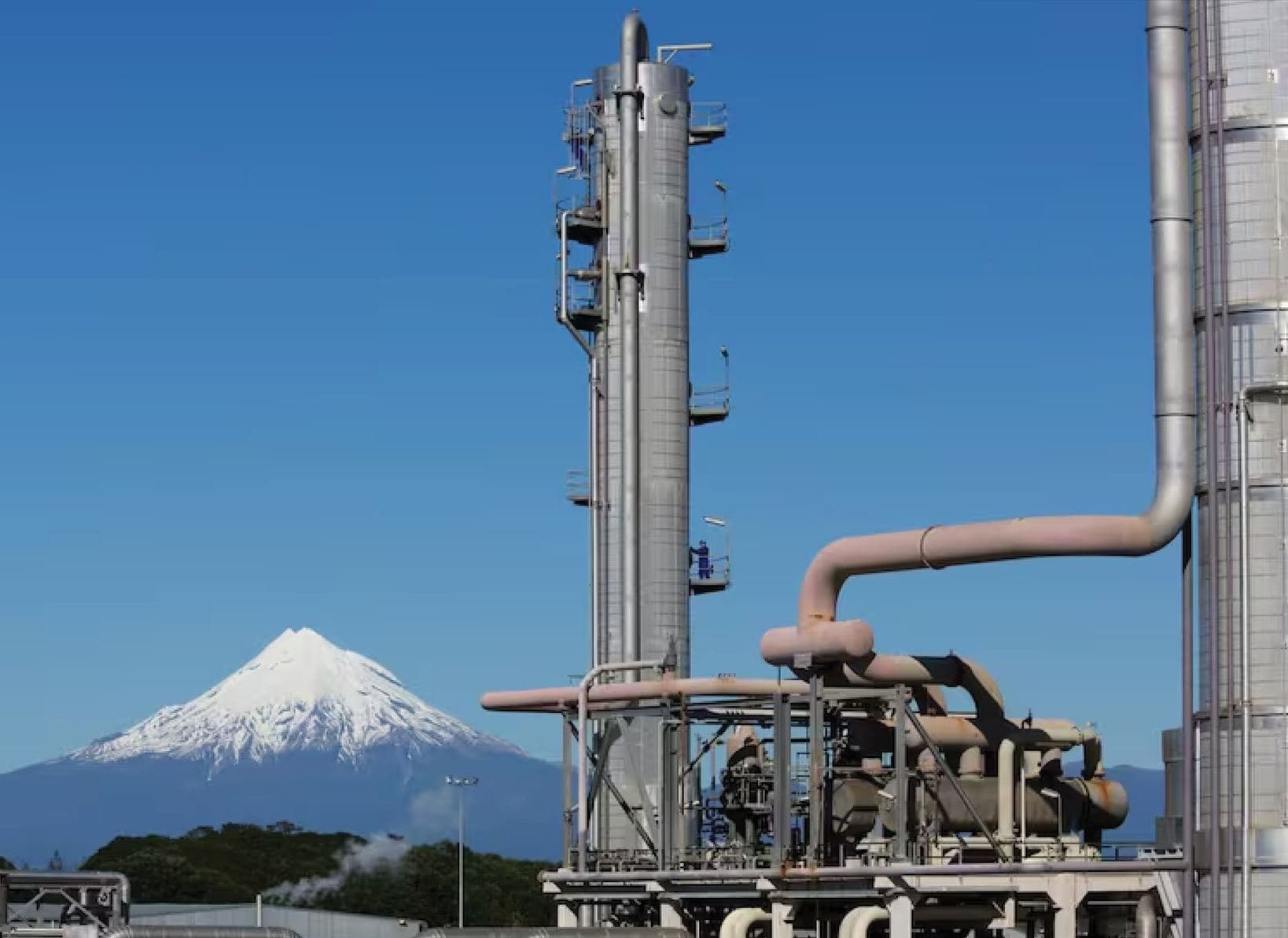
A $16.2 million loan will help fund a new gas well at the McKee Gas Cap project, with Todd Energy tipping in almost $7 million of its own money, while the remaining $7.3 million is earmarked for the McKee-Tariki Production Well project.
This second phase involves converting an existing well to tap into the deeper Tariki reservoir, supported by a $3.1 million contribution from Todd Energy.
Jones told media the two projects could significantly bolster domestic energy supplies.
"Together, these first investments from the $200 million Gas Security Fund could unlock up to 19.9 petajoules of additional gas reserves over five to nine years to maintain our energy supply as we transition to renewables," Jones said.
He said the operations are expected to provide around four petajoules per year at peak production. According to Jones, that is equivalent to roughly 6% of New Zealand's expected gas production in 2027.
The Government intervention comes at a critical time for Taranaki’s economy. Last week, Methanex confirmed it will shut down its Taranaki methanol plant in early 2027, citing an inability to secure enough gas to keep the doors open.
Bishop said the Todd Energy operations could provide significant relief for the strained national grid once they come on stream, which is expected by the end of 2027.
"Together, in the first year alone, these projects are expected to deliver the equivalent energy needed to power more than 80,000 New Zealand households for a year," Bishop said.
He added that the public funding helps reduce the risk of drilling new wells while sparking private sector investment.
Administered by the regional economic development unit Kānoa, the time-limited loans represent a deliberate political strategy just two months out from the general election on November 7. By contracting the funds now, the current coalition makes it harder for any future government to reverse the investments.
The Gas Security Fund has faced criticism from environmental groups and opposition parties. Critics argue the $200 million should be spent on transitioning the country away from fossil fuels rather than propping up the oil and gas sector.
However, the Government maintains that gas remains essential for keeping the lights on during dry years and supporting heavy industry in Taranaki.