
Police have confirmed they will still participate in documentaries.
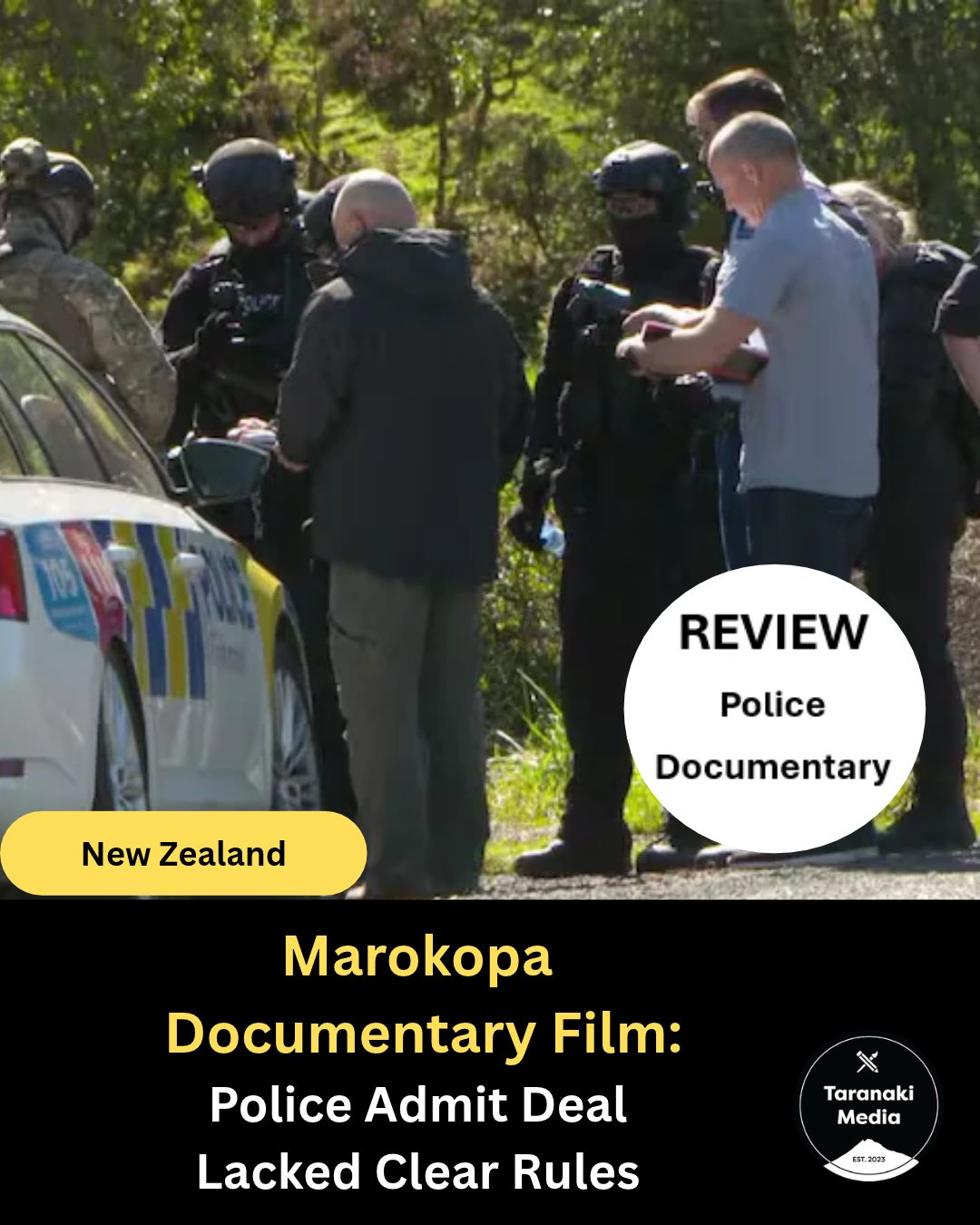
New Zealand Police have acknowledged they needed clearer boundaries when allowing a documentary crew behind the scenes of Operation Curly.
The four-year investigation began in December 2021 as a missing persons search for Marokopa father Tom Phillips and his three children.
An internal review released on Friday examined how Police managed mainstream news outlets alongside a feature-length documentary team during the operation.
POLICE RELATIONSHIP WITH MAINSTREAM MEDIA
Throughout Operation Curly, Police stated they maintained communications with mainstream media built around five core themes: child safety, community cooperation, challenging sympathisers, escalating risk and operational momentum. Senior leaders and the officer in charge fronted media at critical moments, including during the fatal September 2025 confrontation in Waitomo, where Phillips was shot dead by Police.
Because of intense public interest in the story, Police say they attempted to balance public transparency with child safety and operational security.
That careful balance shifted in March 2025 when Police signed a formal agreement for a documentary, 'The Marokopa Project', granting filmmakers controlled access to staff, briefings and selected operational activity.
WHY POLICE WANTED A DOCUMENTARY
Police wanted to make the documentary to obtain a longer-term visual record of the unprecedented operation.
THE PROBLEM
Tensions escalated after a documentary cameraman was allowed into the shooting scene and campsite following the fatal 2025 confrontation before forensic work was finished. Investigators on the ground formally challenged the decision and raised concerns with senior district leadership, prompting the formal review.
THE REVIEWS'S FOCUS
The review, led by Detective Inspector Shaun Vickers with input from media consultant Dr Gavin Ellis, focused strictly on communications management rather than investigative outcomes or the content of the film.
The report concluded the documentary deal had created perceived conflicts, placed frontline staff in difficult positions and undermined fairness with regular news media. Giving a single production team that level of access risked a perception of preferential treatment and had blurred the line between independent journalism and Police communications.
TIGHTER RULES FOR FUTURE PRODUCTIONS
Executive Director of Media and Communications Cass Carter said the review gave Police a chance to look honestly at where they fell short.
"We agree that some of our decisions around the documentary meant we did not serve media in the way we should have," Carter said, noting that journalists play a vital role in helping Police deliver safety messages and reassure communities.
Police have confirmed they will still participate in documentaries. The review's recommendations will be implemented over the next 12 months.
What do you think? Should Police keep letting documentary crews behind the scenes of major investigations, or does it cross the line? Let us know in the comments.