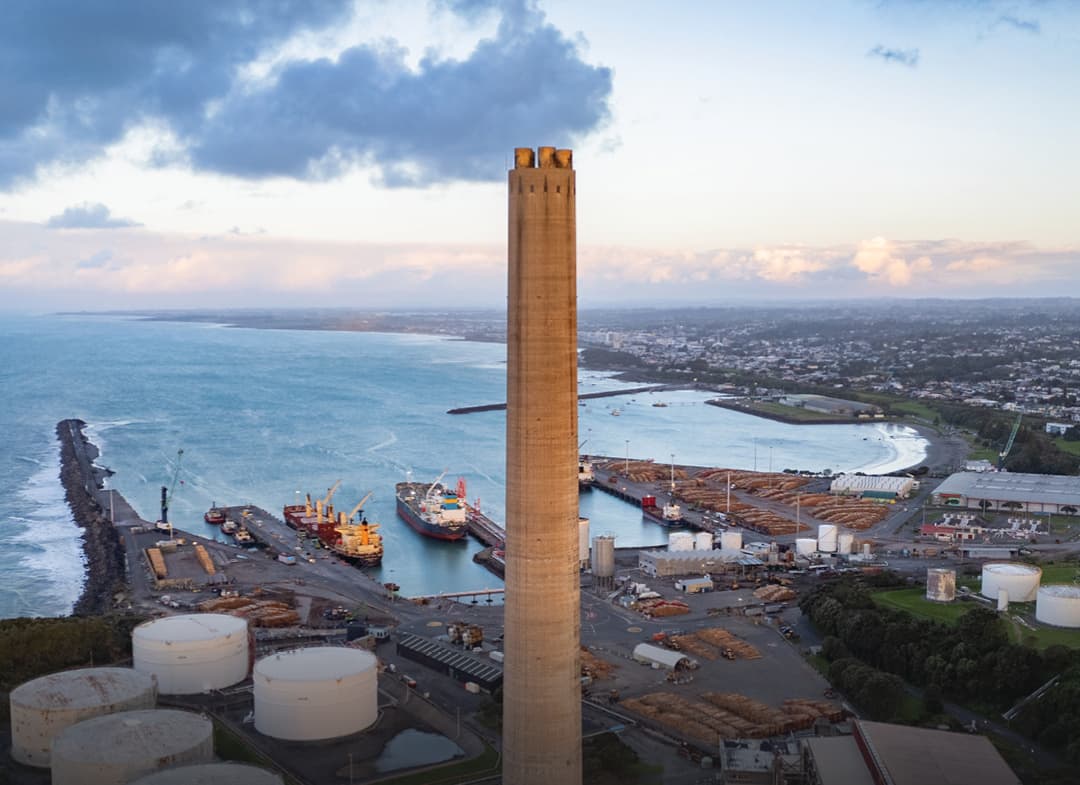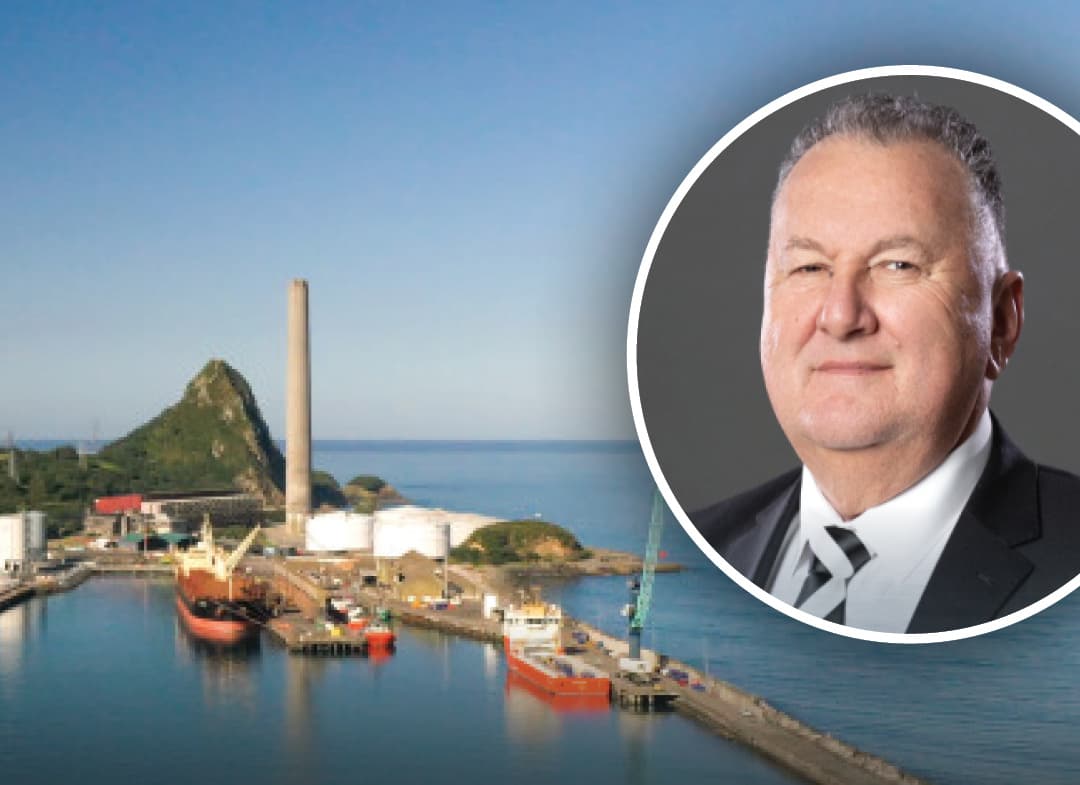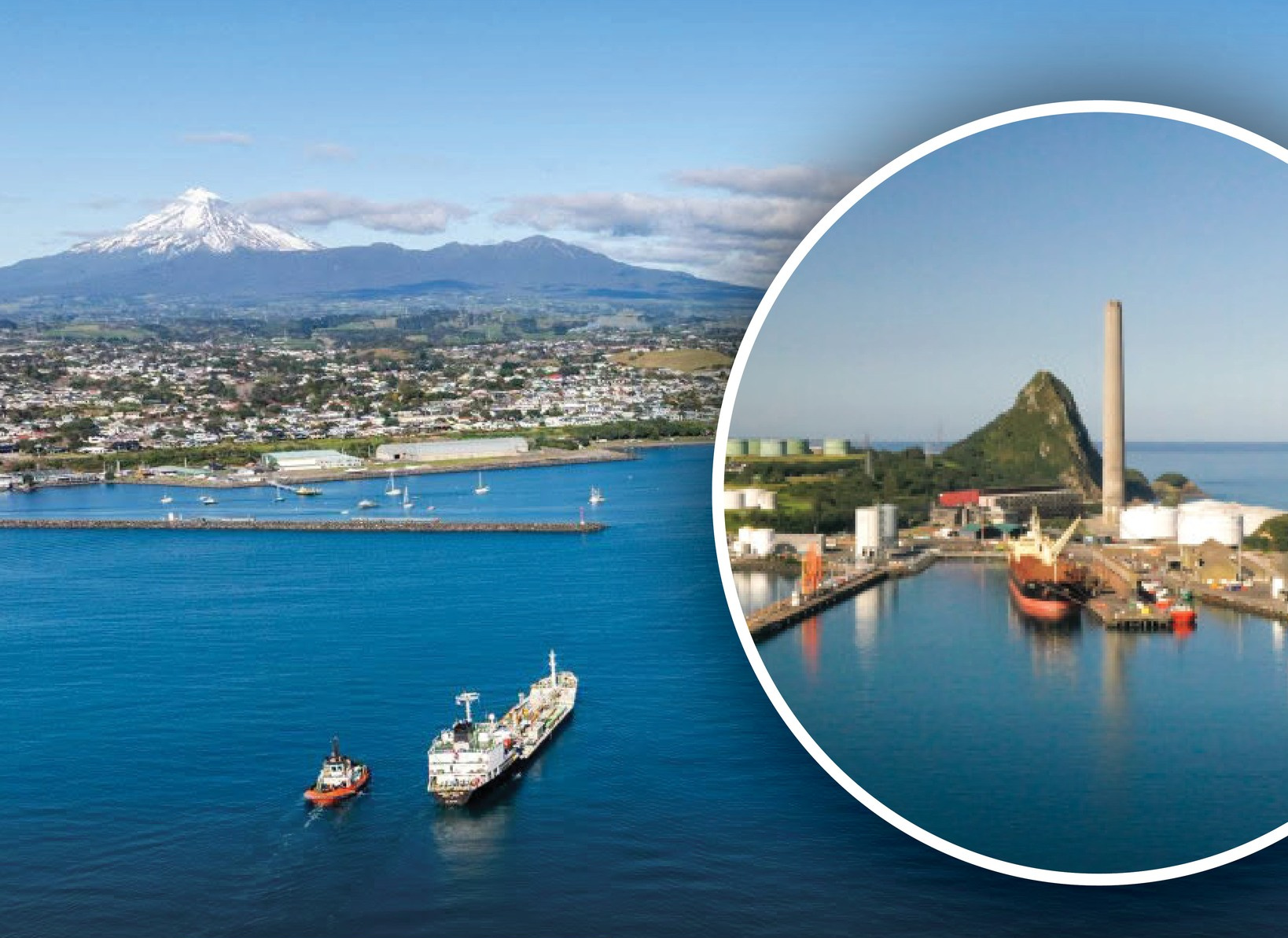

Port Taranaki has posted a strong financial result for the 2025-26 year, but are bracing for a tough future as the region's energy sector shifts.
For the year ending 30 June 2026, the port announced a net profit after tax of $13.11 million. This is an increase of $3.61 million on the previous year. Revenue also jumped to $58.76 million.
Sole shareholder Taranaki Regional Council will receive a final dividend of $4.50 million. This brings the total dividends paid for the year to $8.5 million, which goes directly toward reducing rates for regional ratepayers.
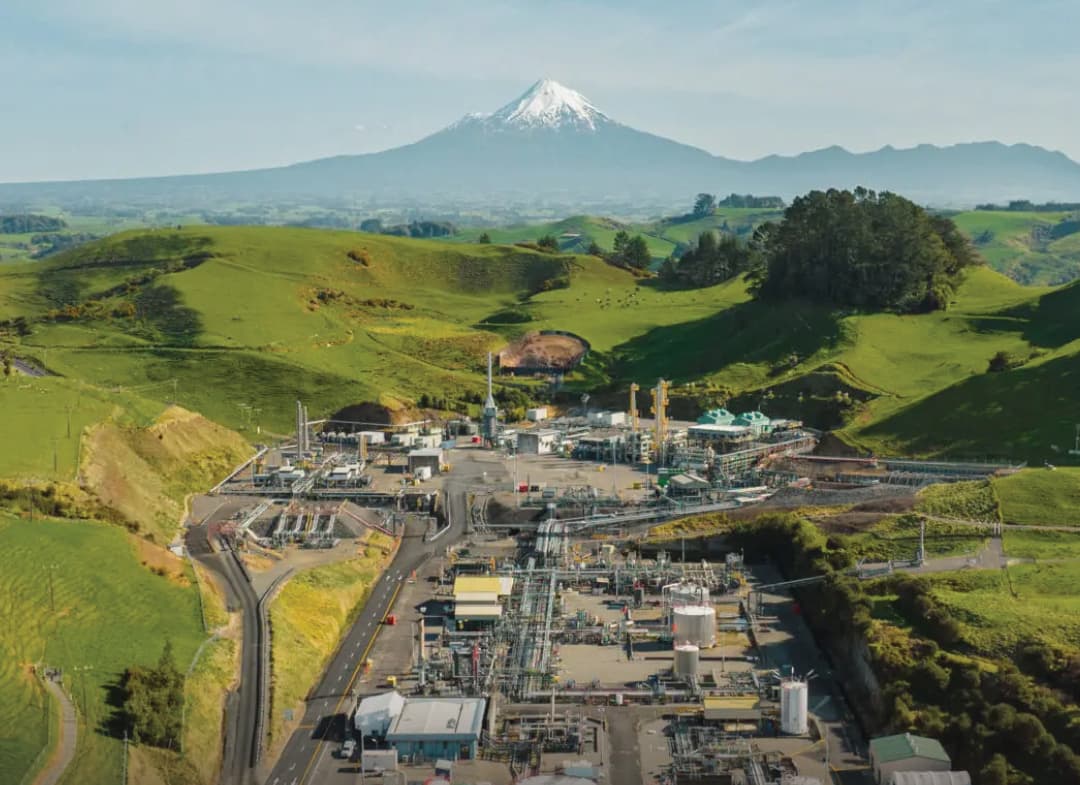
Despite the positive numbers, Port Taranaki chief executive Simon Craddock warned the business is facing significant headwinds. The expected closure of the Maui gas field and the planned exit of Methanex NZ in 2027 will severely impact revenue.
"This result provides us with some cushioning as we forecast several years ahead of reduced profitability," Mr Craddock said. "With the sharp reduction in methanol and crude volumes through port in recent years, and Methanex expected to exit New Zealand in 2027, we are forecasting total trade through Port Taranaki at 2.3 million tonnes for the next several years."
That forecast is roughly half the 4.7 million tonnes recorded in 2023.
To prepare for the drop in trade, the company has heavily reduced its operational costs. Operating expenditure fell to $30.29 million, driven by cuts to personnel costs and repairs. Debt was also slashed by $12.22 million down to $24.28 million.
Trade volumes for the past year showed a slight increase to 3.21 million tonnes. A major driver was bulk dry trade, which hit a record 870,000 tonnes. Mr Craddock attributed this to farmers preferring blended stock feed, which the port receives and stores before it is delivered to farms.
Export logs also performed well, crossing the one million JAS mark for the first time since 2023. This was aided by new surge yards and the arrival of two daily log trains from the Whanganui area discharging directly into the KiwiRail yard.
Liquid bulk trade saw a minor increase overall, though crude oil dropped by 41,000 tonnes to reflect the natural decline of Taranaki gas fields. Methanol trade was higher, even with Methanex idling its Motunui plant during May and June to redirect gas for electricity generation.
The proposed liquefied natural gas import terminal remains a major talking point. The Government is currently working through a procurement process, but Mr Craddock noted the upcoming election brings political uncertainty.
He added that while the port agreed in principle to hosting an LNG facility, it would require rigorous checks before supporting any specific proposal.
"Safety is our priority. Before a facility is built, we need to be satisfied that all health, safety and environmental matters have been addressed," Mr Craddock said.
Port Taranaki chair Jeff Kendrew said the company remains focused on becoming a multipurpose energy and logistics hub. He noted the port is ready to support traditional oil and gas, LNG imports, or renewable energy projects such as offshore wind.
Community support also remains a focus, with Mr Kendrew confirming the port will continue sponsoring local environmental, youth, and cultural events where possible.