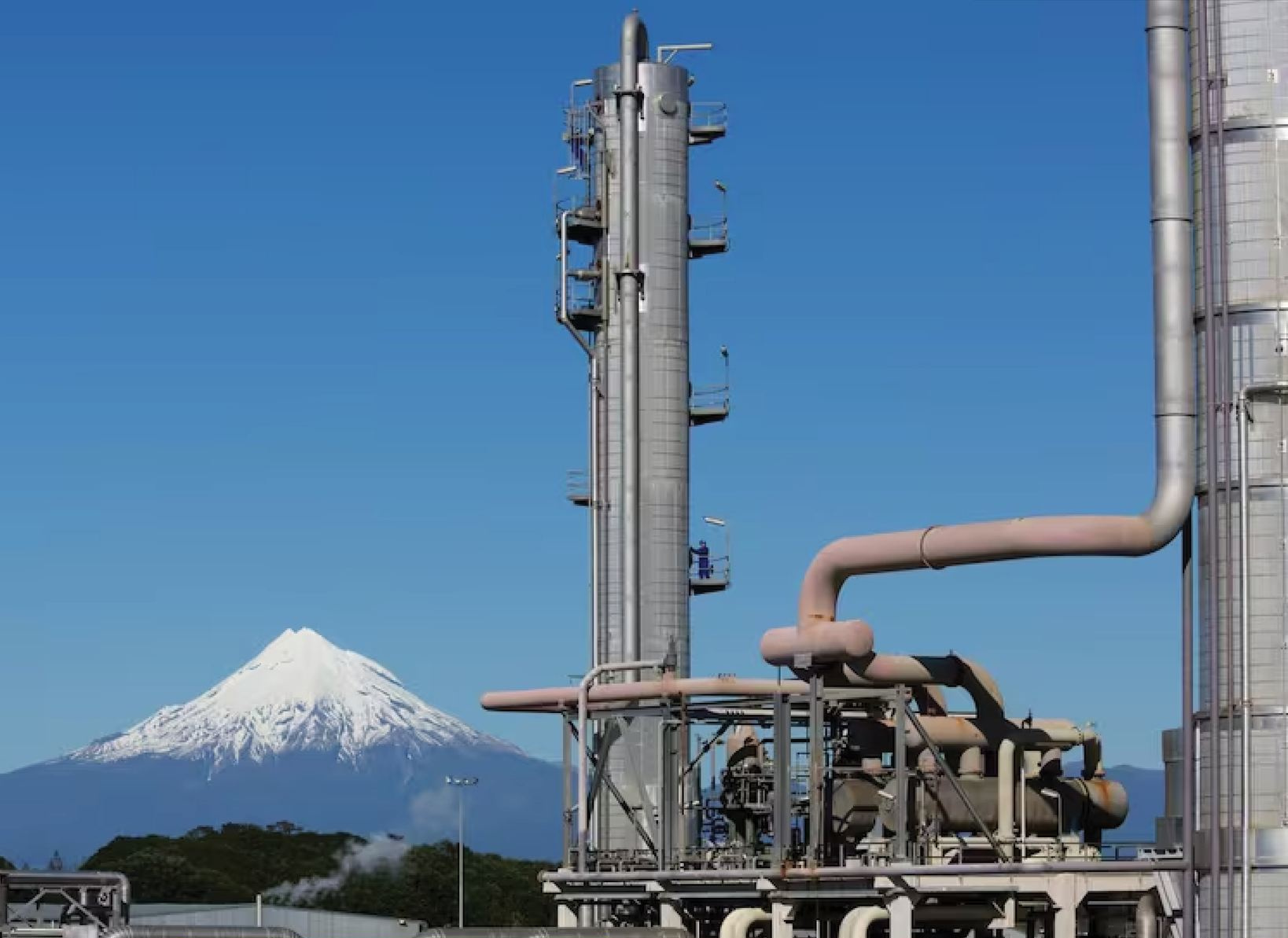

Methanex Corporation has announced it will indefinitely idle its New Zealand production facilities in early 2027, dealing a major blow to the Taranaki economy.
The global methanol producer cites a continued decline in domestic natural gas availability and the lack of a clear pathway to meaningful new supply as the core reasons for the shutdown.
To optimise the value of its remaining gas position, the company has entered into an agreement to sell substantially all of its New Zealand natural gas contractual entitlements. This sale will begin in the first quarter of 2027 and run through to the end of the decade.
Methanex President and CEO Rich Sumner said the business had been preparing for this eventuality given the shrinking gas reserves in New Zealand.
“Our New Zealand production facilities have operated for more than four decades and our people have made significant contributions to the Company's global operations and the New Zealand energy sector,” Sumner said.
He added that the immediate priority is taking care of staff and ensuring a safe wind-down.
“We are now focused on supporting our team members during this transition period, safely operating the plant over the next several months and then safely idling and preserving the facility for long-term optionality should future circumstances support a restart of operations," Sumner said.
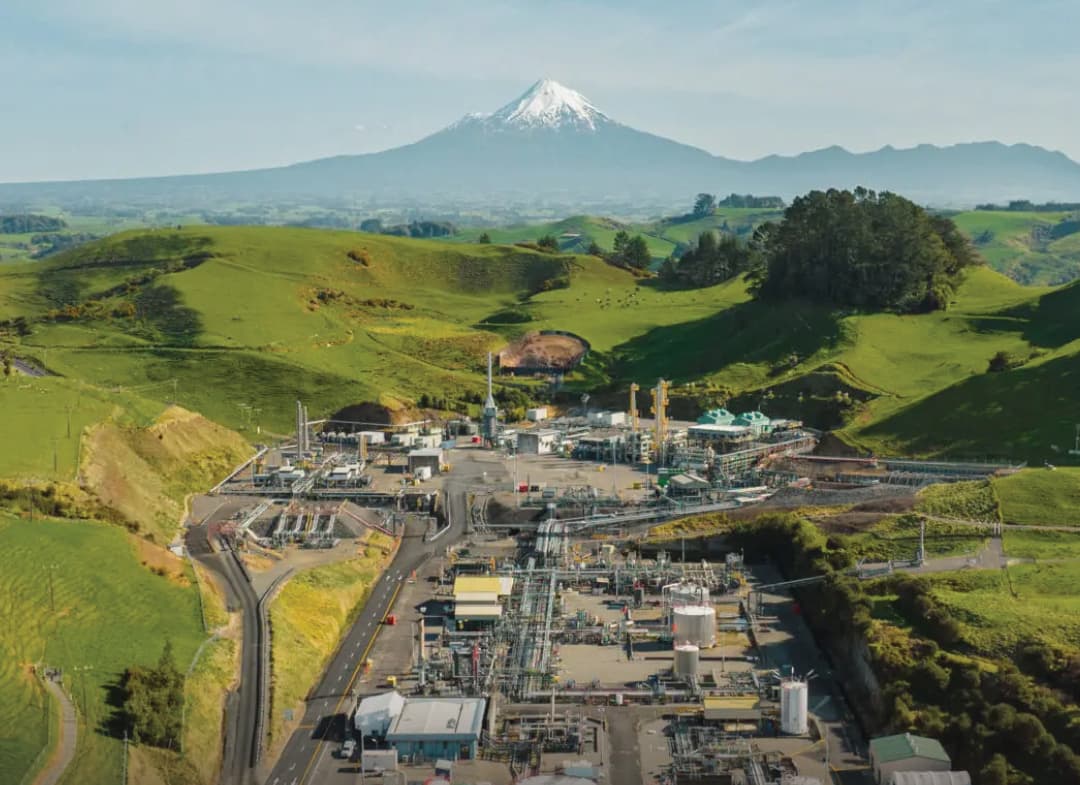
Methanex currently consumes about 40% of New Zealand's total gas supply. Its North Taranaki plants at Motunui and Waitara Valley have been a cornerstone of the regional economy since they were constructed during the Think Big era in the early 1980s.
Operations have been heavily reliant on the Maui gas field, which operator OMV has previously confirmed will cease production by the end of 2026.
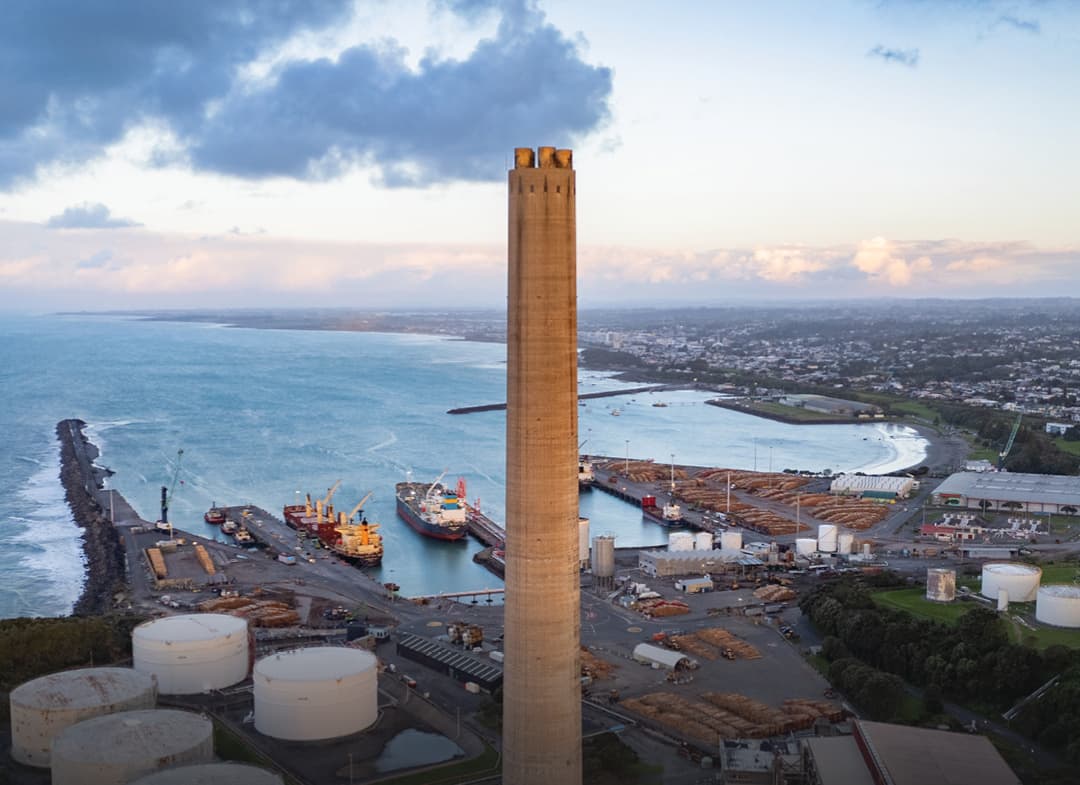
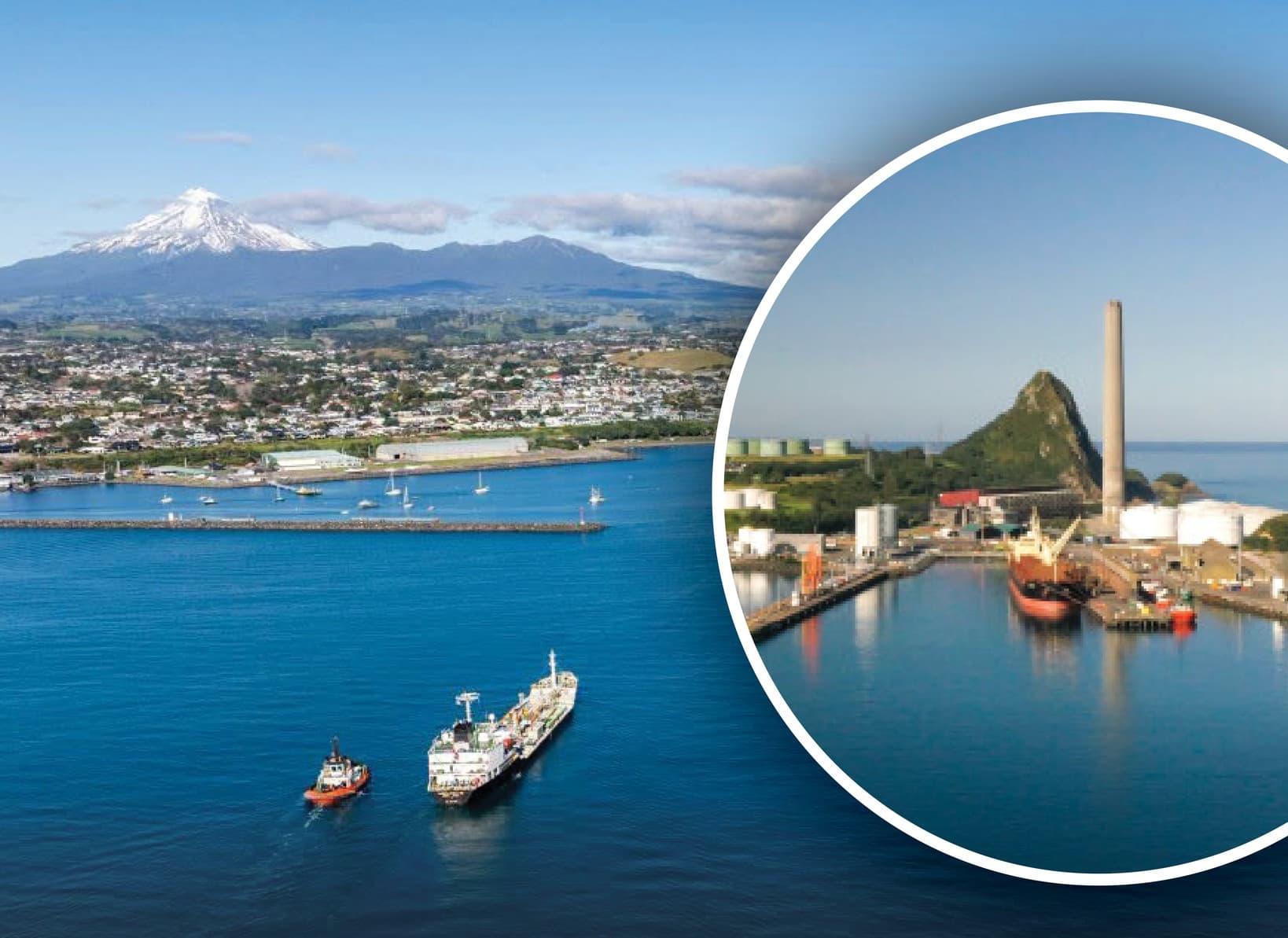
The impending closure will send shockwaves through the local supply chain. Port Taranaki chief executive Simon Craddock recently warned that the exit of Methanex would severely impact port revenue, forecasting total trade to drop to 2.3 million tonnes over the coming years.
Methanex says they plan to work closely with employees, contractors, suppliers, and government stakeholders during the transition period. The company stated it does not expect to incur material cash costs as a result of the decision.