
The Government has scrapped all existing and pending resource management agreements between councils and iwi to stop them from transferring into New Zealand's new planning framework.
Cabinet made the decision after noticing local authorities across the country rushing to lock in legally binding Mana Whakahono ā Rohe agreements ahead of sweeping resource management reforms.
The move comes as the highly anticipated Planning Bill and Natural Environment Bill are reported back from Parliament's Environment Committee, signalling the final stages of the Resource Management Act replacement.
For years, the existing RMA has drawn heavy criticism for stifling development, increasing compliance costs, and drowning property owners in red tape.
To fix the system, the Coalition Government is splitting the legislation in two. The new Planning Act will focus on land-use development and infrastructure, while the Natural Environment Act will manage the use and protection of land, air, and freshwater.
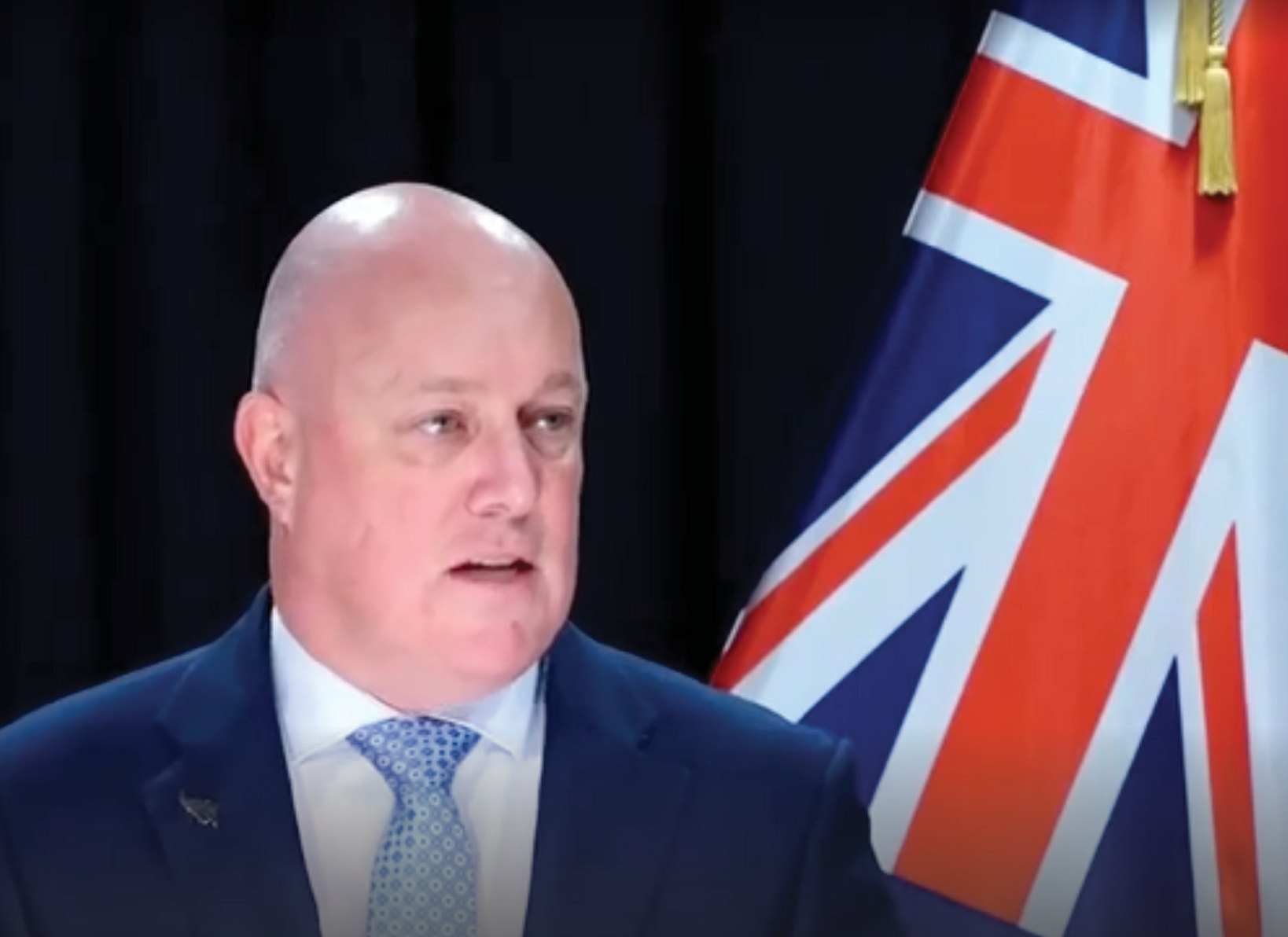
Resource Management Reform Minister Chris Bishop said the government intervened on the iwi agreements after growing concerned over a rapid increase in council negotiations.
In a press release, Bishop said that only eight agreements existed when the replacement bills were introduced late last year, and now several dozen more have since been agreed to or initiated.
"Cabinet has therefore agreed that existing and initiated Mana Whakahono ā Rohe agreements will not transfer into the new planning system," Bishop said.
Under the current Resource Management Act, these agreements set out how councils and tangata whenua work together on local resource management matters.
Once signed, they bind the parties to a specific participatory process that heavily impacts consent decisions.
The broader reform aims to simplify those exact processes. Bishop said replacing the broken RMA will make it easier to produce food and fibre, as well as build the homes, infrastructure, and renewable energy the country needs.
He added that the new two-bill system is projected to save $13.3 billion over 30 years through reduced administrative and compliance costs, with estimates that around 45% of current consent requirements could be entirely removed.
Federated Farmers previously warned of an eleventh-hour rush to push the agreements through and pointed out that Taranaki was among the regions recently initiating them.
RMA reform spokesperson Mark Hooper called for government intervention, raising concerns that the partnerships handed significant influence to unelected groups and unfairly bound future councils to decisions they did not make.
Hooper said farmers were concerned that routine consent applications could face extra hurdles if the agreements were locked in. "A farmer wanting consent for a feed pad, a new effluent system or worker accommodation could end up facing extra costs, delays and bureaucracy," Hooper said.
Instead of transferring the sweeping current agreements, the government plans to allow councils to enter into new, narrowly scoped iwi participation agreements under the replacement system.
However, the RMA reforms have faced strong opposition from Māori leaders.
Waikato-Tainui executive chair Tukoroirangi Morgan previously filed High Court proceedings to uphold Treaty of Waitangi settlements in the face of the reforms.
He warned that the government's approach to reshaping environmental law risked undermining hard-won agreements and sacrosanct covenants between iwi and the Crown.