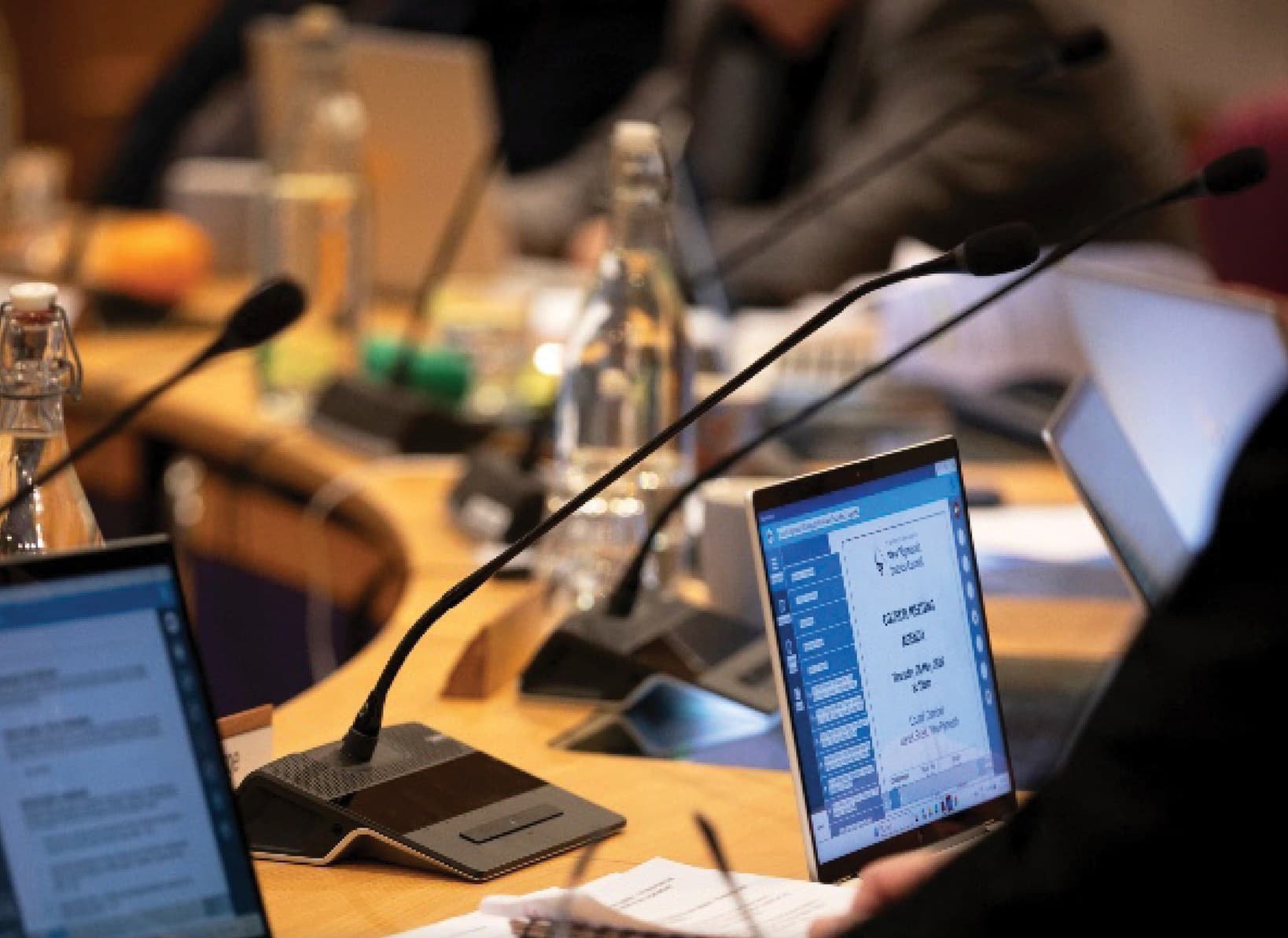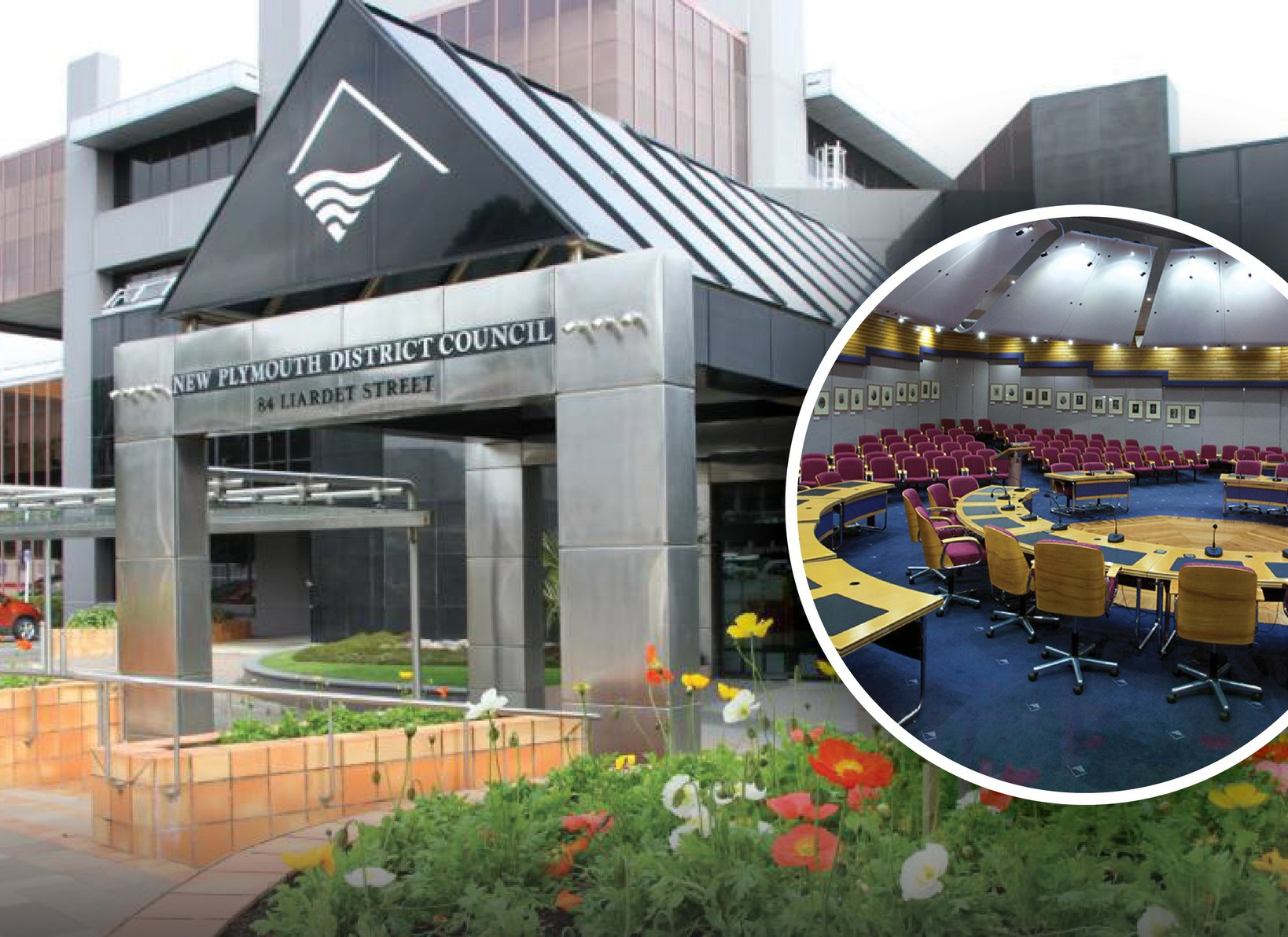

NPDC is holding an extraordinary meeting today to determine the district's response to sweeping national reforms.
The Taranaki Future Local Government (FLG) Programme is on the single-item agenda, a plan designed to navigate the Central Government's push to restructure how local authorities operate.
In November 2025, the Government proposed its "Simplifying Local Government" reform. This proposal intends to replace elected regional councillors with a Combined Territories Board made up of district mayors.
To facilitate this transition, a "Head Start" pathway was announced in May 2026, allowing willing councils to lead and shape their own reorganisation proposals at an accelerated pace.
Councils that fail to opt into this pathway will be placed into a mandatory "Backstop" pathway, where the Government will dictate interim governance arrangements in 2027.
A report presented to the council by staff recommends that elected members approve the FLG Programme Plan to deliver initial work, known as Phases 0 to 2, through to March 2027.
However, doing so comes with a significant financial commitment.
The estimated cost to deliver these phases is up to $1,332,650. This expense would be split evenly between the Taranaki Regional Council (TRC) and NPDC, resulting in an approximate contribution of $666,325 per council.
Because this is an unbudgeted expense for the 2026/27 Annual Plan, year-end financial positions will need to be assessed, and debt funding may be considered if required.
Resourcing for the programme will rely on a mix of personnel.
Approximately 45% of the work will be handled by internal council staff, while 55% will require external specialists for tasks such as financial modelling, legal advice, and community engagement.
The proposed budget also includes a 10% contingency buffer.
In the report, Council officers have heavily discouraged voting against the plan, stating that rejecting the programme would leave NPDC unprepared for mandatory government reforms and drastically reduce the region's ability to influence local outcomes.
However, it says approving the plan today simply establishes a work programme. It does not lock the council into any specific future structural reorganisations, as further decisions will be required at a later phase.
Timeframes for the Head Start pathway are tight.
If the council votes in favour of the recommendation, an outline proposal must be developed and submitted to the Government by 9 August 2026. A detailed analysis and a preferred local government configuration would then be due by March 2027.
Should the plan be approved today, the council will hold another extraordinary meeting on 29 July 2026 to finalise the outline proposal ahead of the August deadline.
Today’s extraordinary meeting is set to begin at 1:30pm and can be streamed via the Council website.