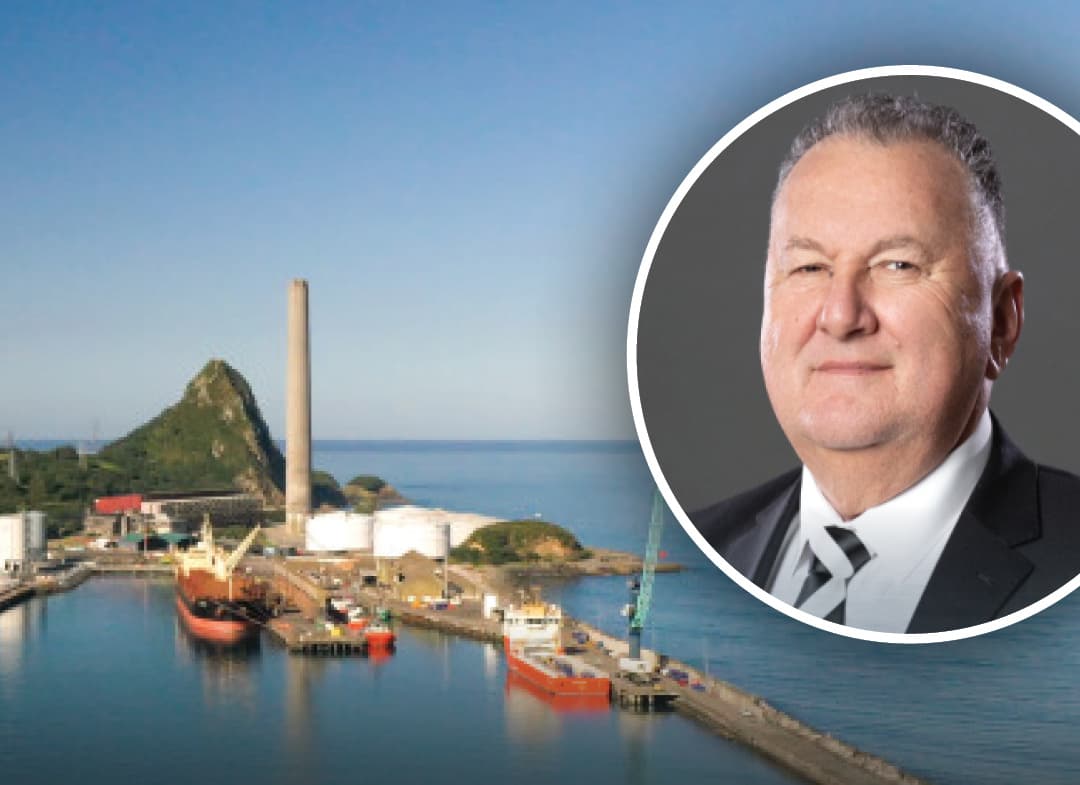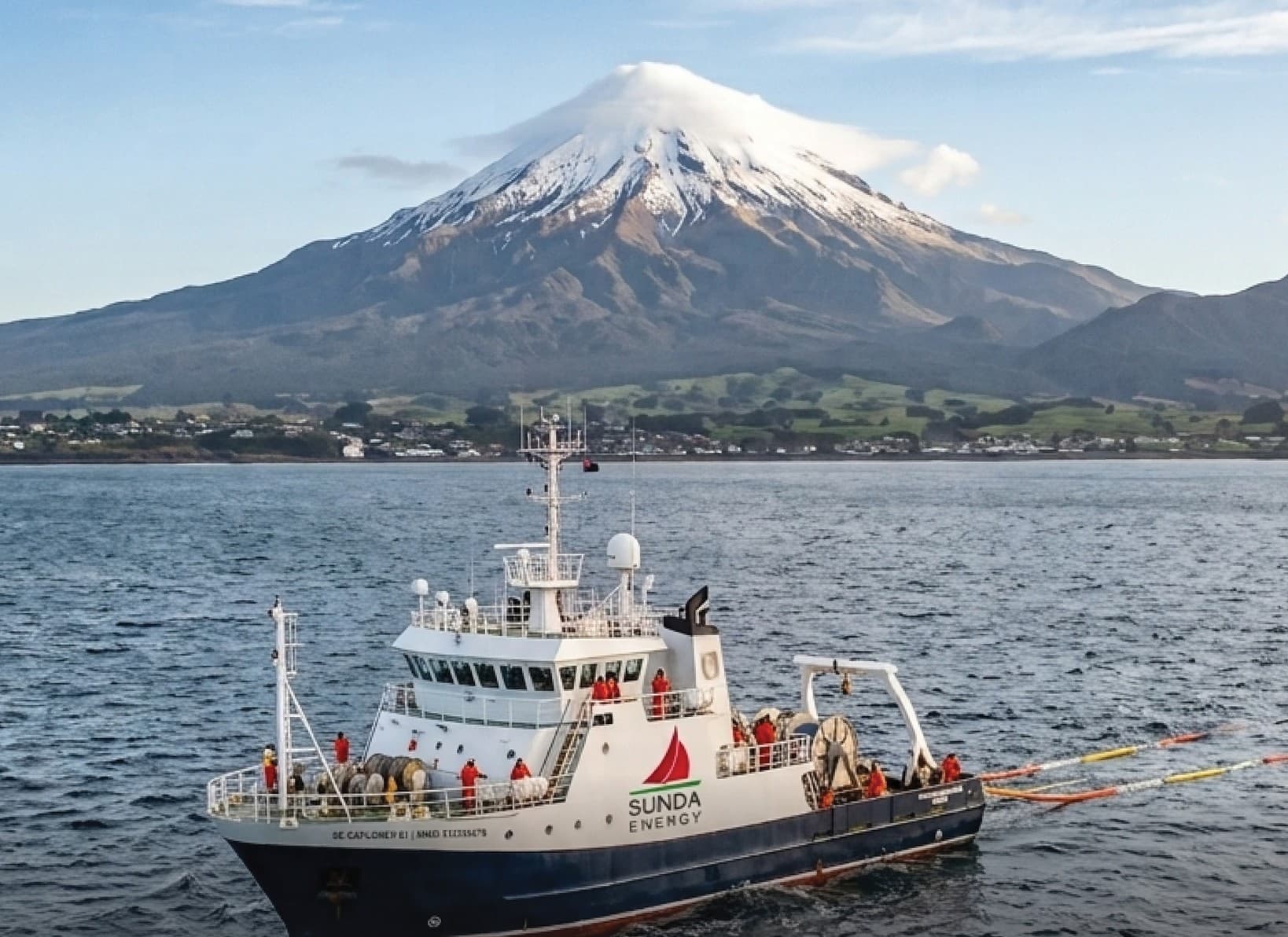

New Zealand First leader Winston Peters has pledged an initial $1 billion to map the country's offshore oil and gas reserves, if elected.
Speaking at the party's annual conference today (Sunday 19 July), Peters outlined a campaign policy focused on energy security and the creation of a national sovereign wealth fund.
He told supporters the country is completely susceptible to geopolitical choices made by other nations regarding fuel supply. Peters cited ongoing conflicts near the Strait of Hormuz as a prime example of international vulnerability.
He argued New Zealand must take back control of its energy resources to guarantee future sustainability and lower domestic power prices.
The proposed $1 billion investment would fund a national subsurface development survey over the term of the next government, with the goal of accurately surveying 10 prospective basins across the country using modern technology.
"We’re going to find out what we own and what we’ve got," Peters said.
He claimed analysis shows a greater than 90% chance of New Zealand having a major commercial discovery in its offshore basins.
Peters compared the country's potential to Norway, suggesting untapped deep sea reserves could transform the national economy.
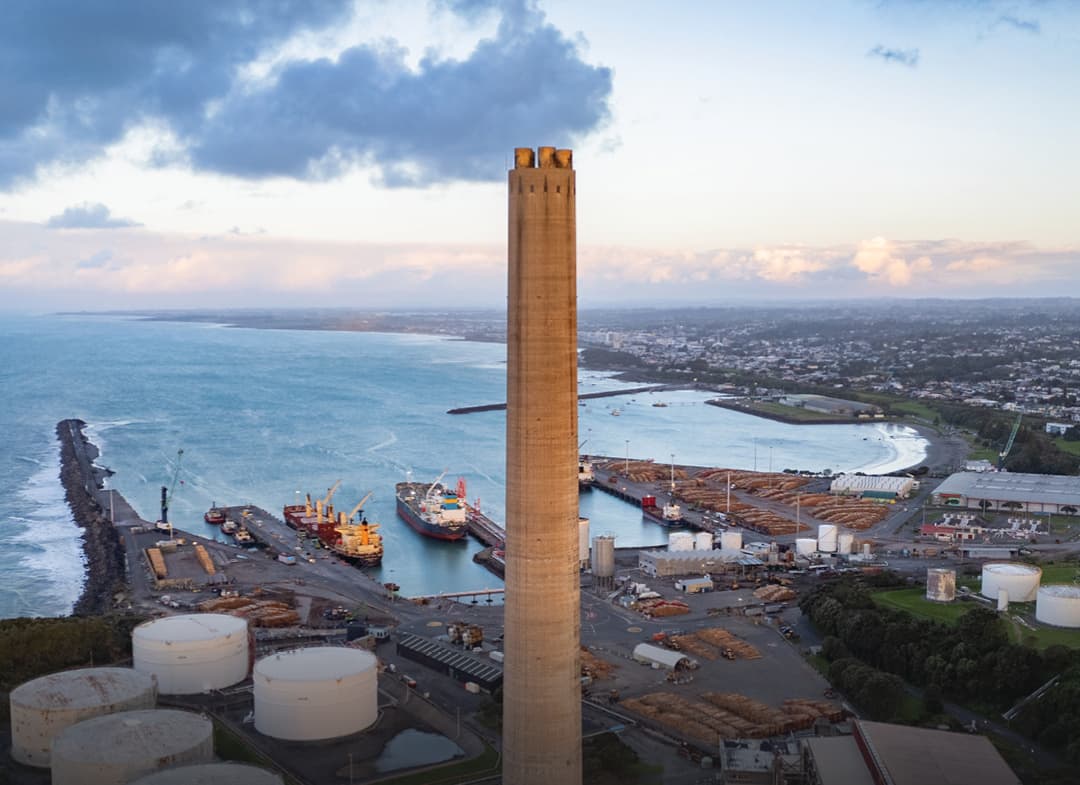
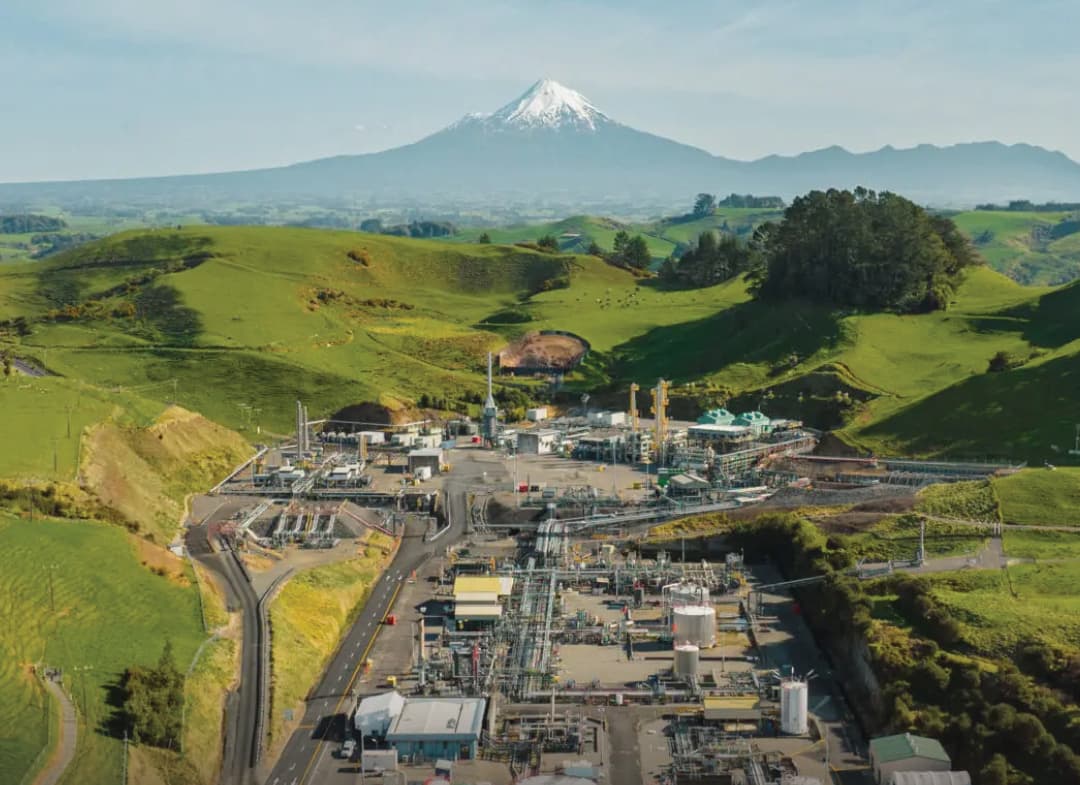
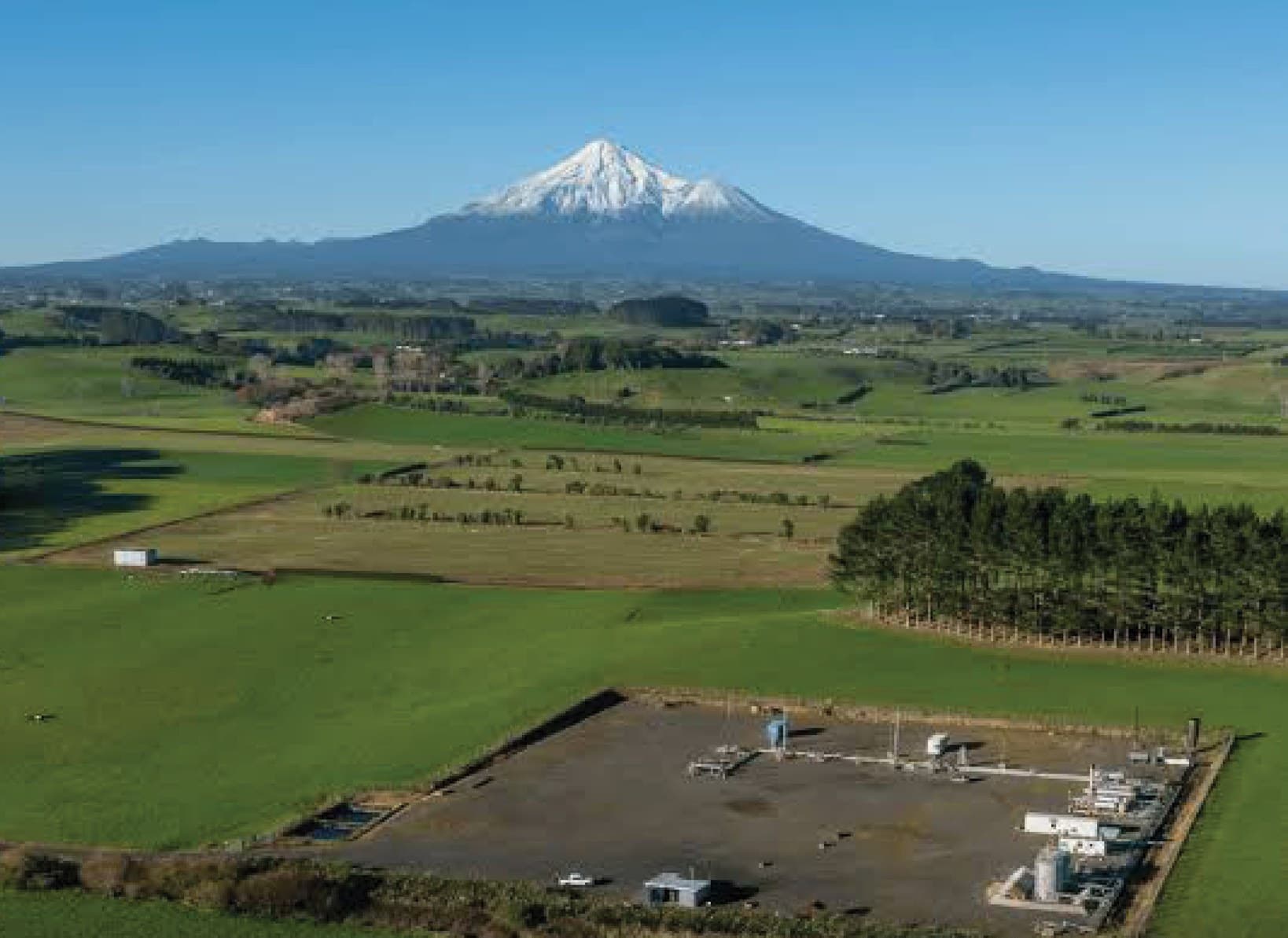
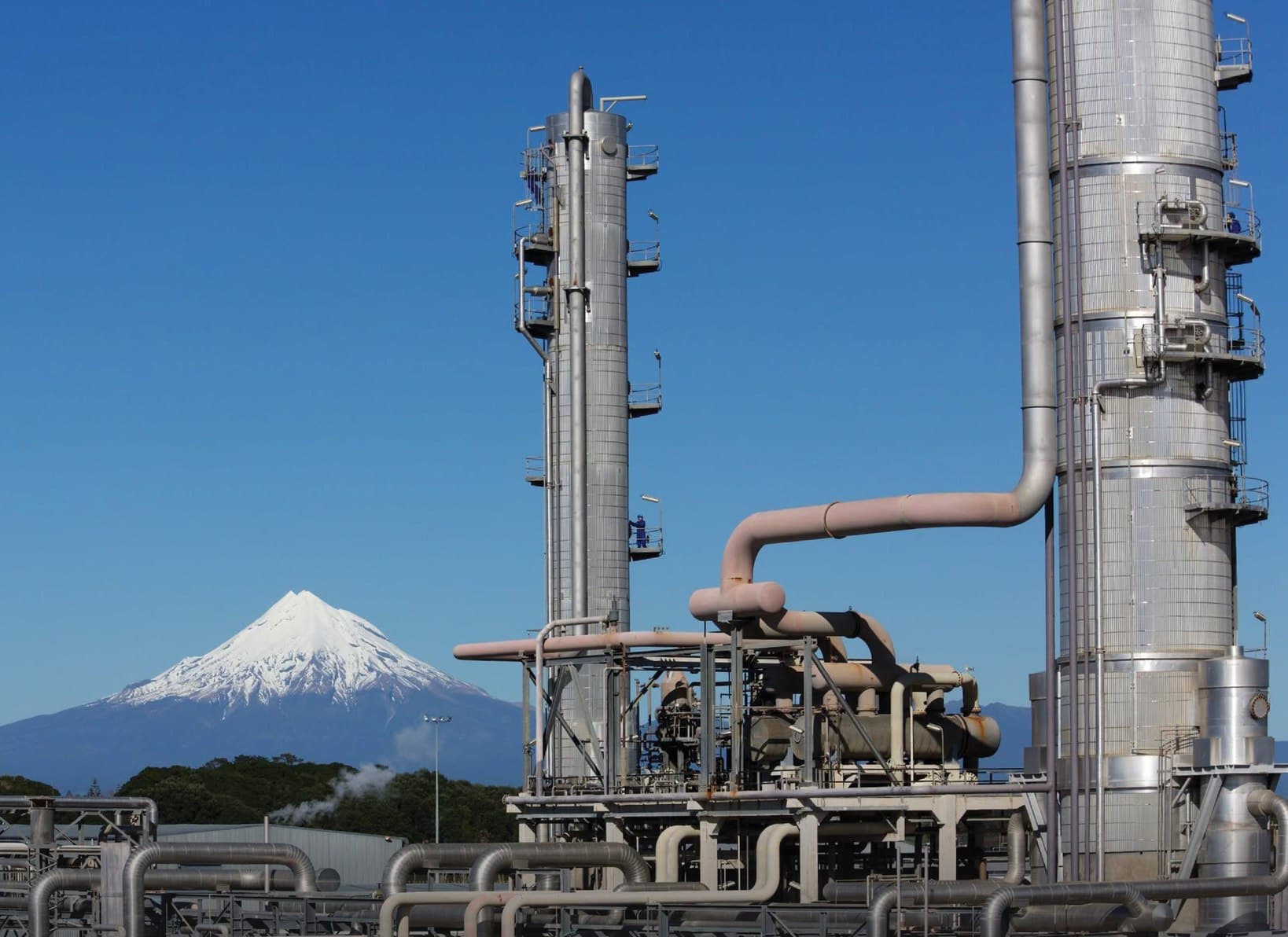
Taranaki is currently the only commercial oil and gas producing region in New Zealand.
A national survey of this scale would likely bring significant attention and potential capital back to the Taranaki energy sector, though Peters also specifically highlighted the largely untested Great South Basin during his address.
Under the New Zealand First plan, a single national dataset would be created covering energy, geothermal, and carbon dioxide storage sites.
Peters expects the first survey results within 12 months, which would then be used to attract global capital to New Zealand.
The policy includes setting up an independent management model similar to Singapore's Temasek.
This would mean experts, rather than politicians, would control the ongoing management of the resources. Explorers would carry the risk of proving the fields while paying a royalty "well over 50%" on all extractions.
Revenues would be directed into a Norwegian-style sovereign wealth fund rather than funding immediate tax cuts. "We’re going to spend it on building a huge sovereign fund for our future and for our grandchildren," Peters said.
He positioned the policy as a critical step for economic sovereignty, arguing the country can no longer afford to wait or rely on fragile international supply lines.
As the 2026 election approaches, other major political parties have also drawn battle lines over energy security. Most are focusing heavily on renewables and solar power rather than fossil fuels.
The National Party recently announced its Home Energy Fund to support cheaper and more resilient power.
This policy would allow property owners to obtain low-interest loans, paid off through local council rates, to install solar panels and batteries without the large upfront costs.
National also plans to cut Resource Management Act red tape to make small-scale renewable projects permitted by default, while keeping options open for imported liquefied natural gas to secure electricity supply during dry years.
Labour has pitched a $160 million SolarSaver package, which it says will be funded by repurposing the current government's gas security fund.
The plan includes kickstart subsidies of up to $3,000 for low and middle-income households and aims to make plug-in solar panels easier for renters to use.
Labour is also promising to reinstate the ban on new oil and gas exploration permits, if elected.