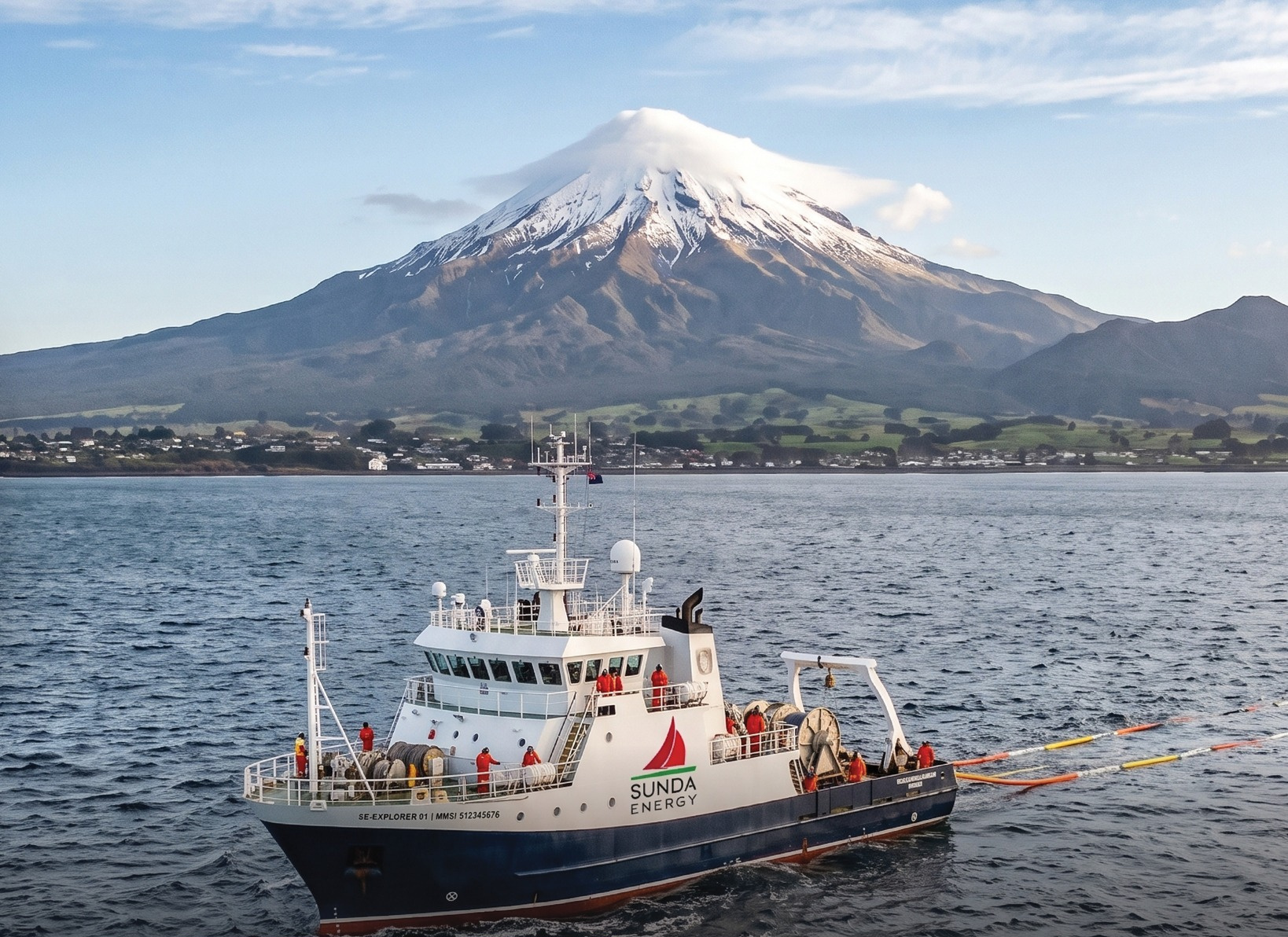

UK-based firm Sunda Energy has applied for a petroleum exploration permit off the North Taranaki coast. This is the sixth application accepted since the Government lifted the ban on offshore oil and gas exploration.
New Zealand Petroleum and Minerals opened a three-month competitive application process for the bid on Tuesday.
The proposed permit covers 645 square kilometres of territorial sea between northern Taranaki and southern Waikato. It includes the Awakino gas condensate discovery, which was originally drilled in 1985.
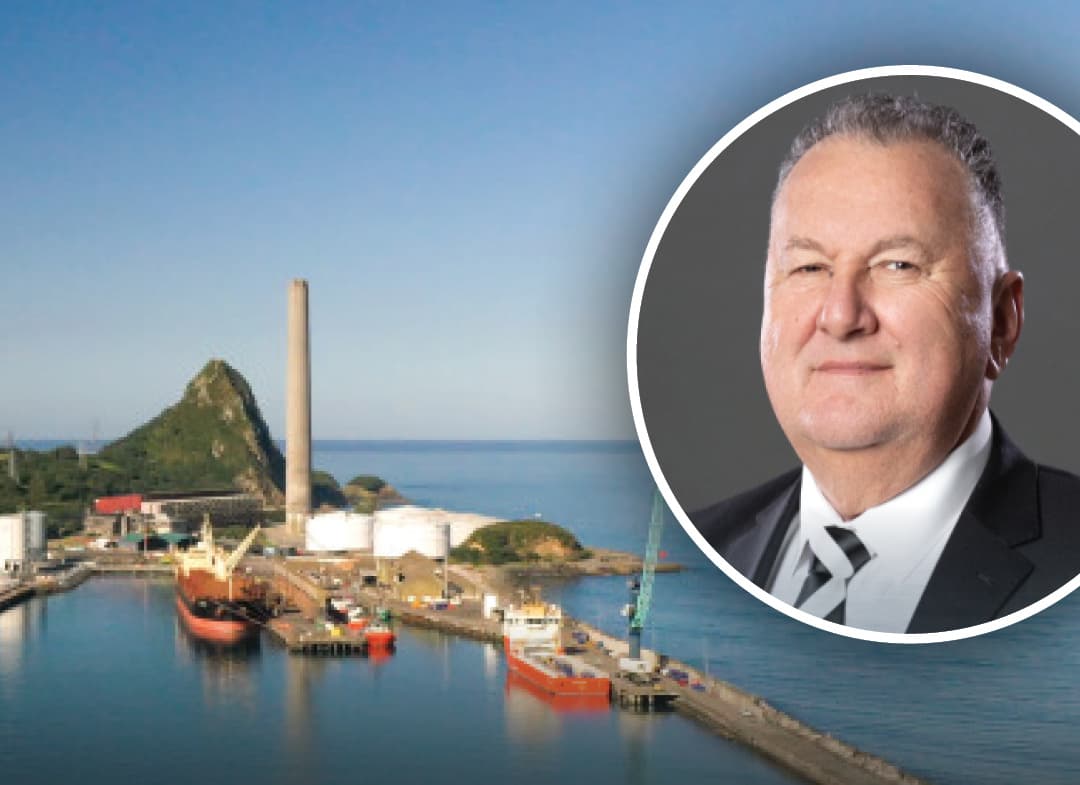
Resources Minister Shane Jones welcomed the interest from the international operator. He stated that new entrants bring vital capital, expertise and competition to a healthy sector.
"This is the sixth petroleum prospecting or exploration permit application accepted since the Government removed the offshore oil and gas exploration ban, and another encouraging sign that investors are taking a fresh look at New Zealand's resource potential," Jones said.
He added that responsible exploration could help secure tomorrow's energy supply, create high-value jobs and attract investment to the regions.
Sunda Energy entered the New Zealand market in April 2026 through a conditional agreement to buy Matahio Energy's local assets. The acquisition includes the producing Cheal, Cheal East and Sidewinder fields near Stratford, along with the Puka exploration permit. That deal is currently awaiting ministerial consent.
If the new offshore permit is granted, Sunda plans to conduct detailed geological and seismic studies to assess the area's prospectively. The proposed work programme includes reprocessing 450 square kilometres of existing 3D seismic data over a 36-month period to evaluate future drilling targets.
The Awakino discovery hasn't been developed since it was first drilled over four decades ago, but the company believes there is still significant potential.
Other energy companies have until 5pm on October 14 to submit competing applications. All bids will be assessed against the Crown Minerals Act, looking closely at technical and financial capabilities, health and safety records, and proposed work programmes.
This follows another recent bid from an Australian energy firm.
Taranaki Energy Pty Ltd, a wholly owned subsidiary of Perth-based Pancontinental Energy, recently applied for a petroleum prospecting permit covering 9,972.5 square kilometres of deepwater ocean off the Taranaki coast.
That proposal was the fifth permit application lodged since the exploration ban was overturned late last year. The expansive marine territory targeted by Pancontinental is recognised as highly prospective by geologists but remains entirely under-explored, with no exploration wells drilled within the specific zone to date.
If approved, Pancontinental will undertake a two-year work programme focused on reprocessing existing 2D seismic data, basin modelling and identifying potential exploration targets.
Addressing the Pancontinental application, Jones said the development reflects growing confidence and a clear lift in interest since the removal of the ban.