
Taranaki's leaders have united to formally oppose key aspects of the Government's proposed Disability Support Services Bill.
The Taranaki Mayoral Forum sent an urgent letter to Minister for Disability Issues Louise Upston on June 10.
Written on behalf of the South Taranaki, Stratford, and New Plymouth district councils, along with the Taranaki Regional Council, the document warns of unintended consequences for the region.
Age and accessibility advocates and Enabling Good Lives Taranaki explicitly requested the intervention.
While the mayoral forum supports creating a clear legislative foundation for disability services and acknowledges current fiscal pressures, leaders fear the legislation will unfairly shift care responsibilities onto families and push costs onto local ratepayers.
They argue that any move to reduce Crown funding obligations will have an outsized and immediate impact on Taranaki.
Our region faces a higher disability and informal care burden than the national average.
According to the New Plymouth District Council Accessibility Strategy, 28% of the district's population lives with a disability.
In South Taranaki, Toi Foundation data shows 18% of residents are informal, unpaid carers.
Geographic isolation in Stratford and the Eastern Districts also means formal providers are already scarce, leaving families to fill the gap.
Regional Council Chair Craig Williamson, alongside Mayors Max Brough, Phil Nixon, and Neil Volzke, signed the letter.
They outlined four specific demands for Minister Upston to consider before the Bill progresses further through Parliament.
➡️ 1. Amend the family responsibility provision: Mayors want an explicit savings clause added to ensure unpaid family care does not become the default. They state this provision must preserve the right to independent living and state-funded support.
➡️ 2. Keep core policy in primary legislation: Draft legislation delegates eligibility criteria, funding levels, and service definitions to Ministerial regulation. Leaders argue this allows future governments to alter the system with minimal parliamentary scrutiny. They want core settings moved into primary legislation.
➡️ 3. Stop cost-shifting to ratepayers: Capping central expenditure does not eliminate the need for care. Mayors warn that when families reach breaking point, the financial burden falls on community organisations, hospital emergency departments, and local councils. They are demanding a cost-shifting prohibition and a regional fiscal impact assessment before the Bill's third reading.
➡️ 4. Mandate local consultation: Local councils were not meaningfully consulted during the drafting process. Council leaders have asked to be formally included in future consultations on any regulations made under the Act.
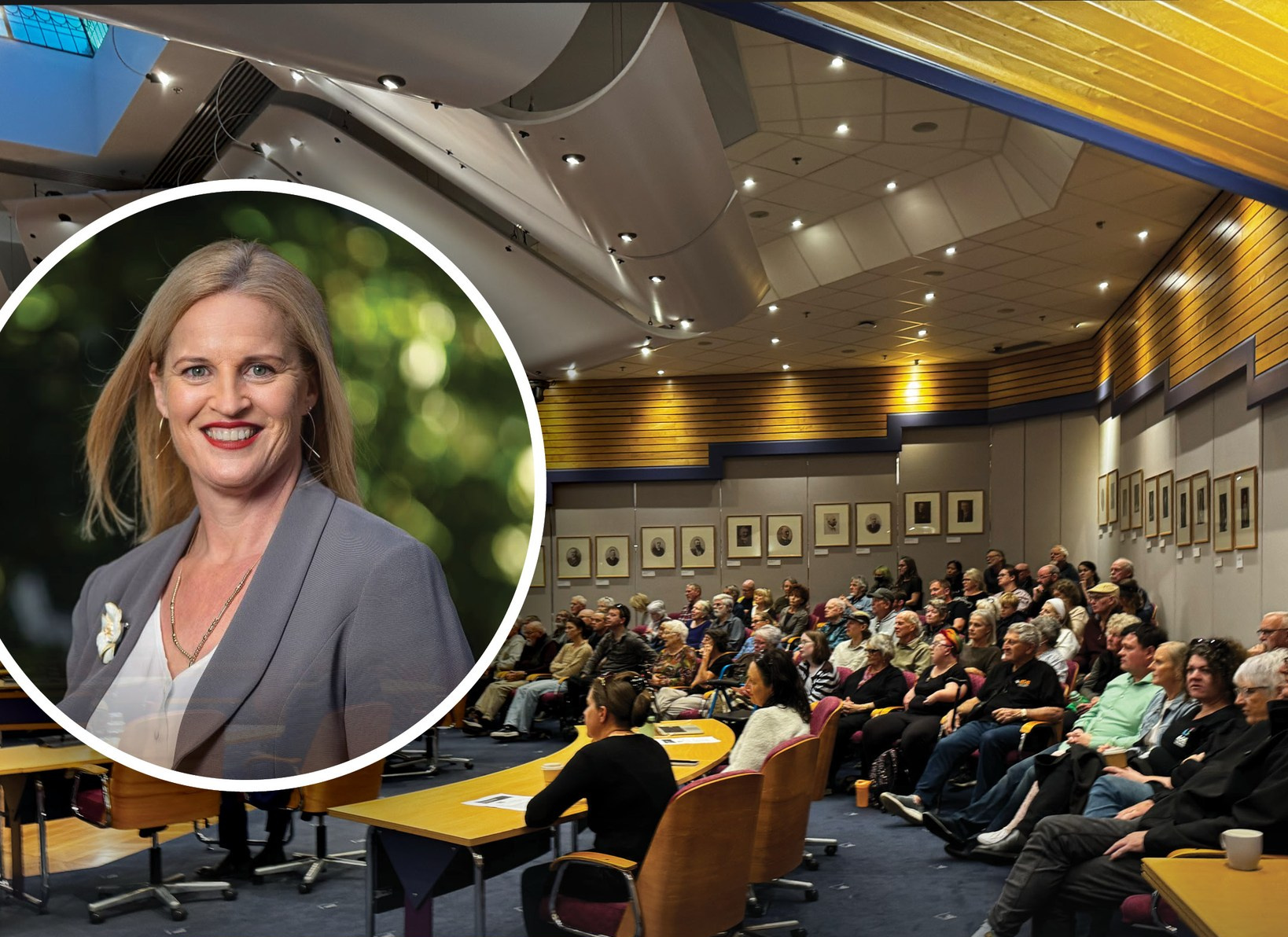
Local disability advocate Sam Bennett championed the effort to bring a crowd to the Public Engagement Committee, prompting the forum's rapid response.
Bennett praised the regional leaders for their swift action.
"It is not often that I am lost for words but to say that I am super proud of your support as our preeminent leadership team is a total understatement," Bennett said in a statement to the mayors.
"This letter in association with NPDC’s forthcoming submission to the Bill will add valued weight at a time when our disability and older persons are feeling disenfranchised as valued meaningful contributors in our community."
Bennett warned the Coalition Government to dismiss the region's support at its peril, signing off with the well-known disability rights slogan: "Nothing About Us Without Us."
The Disability Support Services Bill, introduced in May 2026, is currently before the Social Services and Community Select Committee.