
The New Zealand Death: Why 1,115 people drowned in just 30 years – including 17 in Taranaki
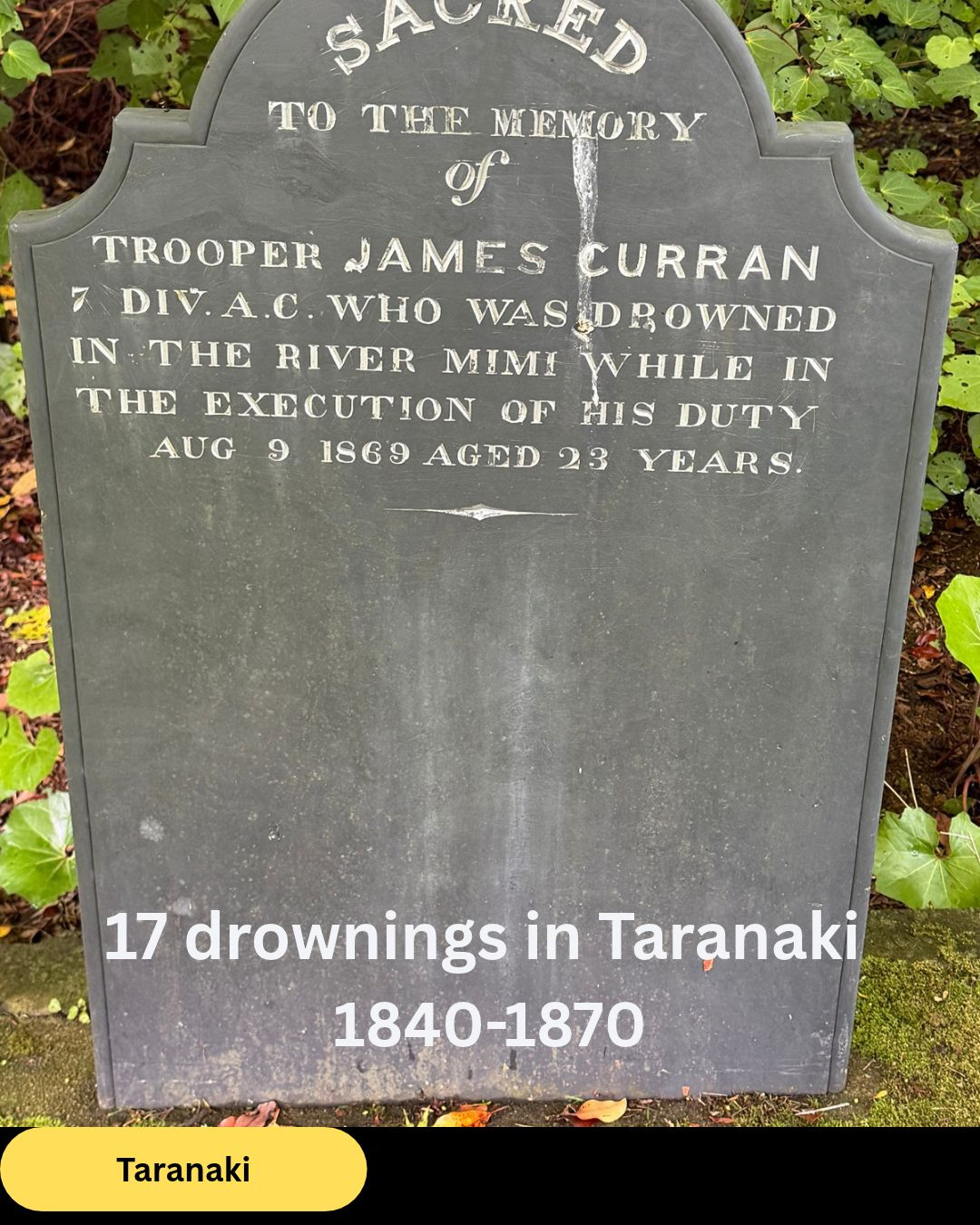
The photo of the tombstone was taken this afternoon. It is located at Te Henui cemetery, across from my place in Strandon.
There was a time in New Zealand's early colonial history when crossing a river could be as dangerous as going to war. Between 1840 and 1870, at least 1,115 people were recorded as drowning in the country's rivers and streams. Seventeen of those deaths occurred in Taranaki.
The scale of the tragedy was so alarming that drowning acquired a grim nickname: "The New Zealand Death."
It is a remarkable piece of our history, and one that says much about the hardships faced by the first European settlers as they attempted to establish communities in an unfamiliar and often unforgiving landscape.
The figures come from an extraordinary historical document presented to Parliament in 1870. At the request of MPs, government officials compiled a return of people drowned in rivers and streams throughout the country since January 1840.
The figures make sobering reading. Auckland recorded 227 deaths, Wellington 165, Westland 174, Otago 170 and Canterbury 135. Taranaki recorded 17.
Importantly, these were river and stream deaths, not every drowning in New Zealand. Deaths at sea, in harbours, wells, waterholes and swamps were excluded. Officials also admitted that incomplete historical records meant the figures were not entirely accurate.
So why were so many people drowning?
One of the biggest reasons was that rivers were essential transport routes, but crossing them was extraordinarily dangerous.
In the 1840s, 1850s and 1860s, New Zealand had very few bridges. Roads were often little more than rough tracks through bush, swamps and farmland. Travellers relied on river fords, horseback crossings and makeshift ferries to get from one settlement to another.
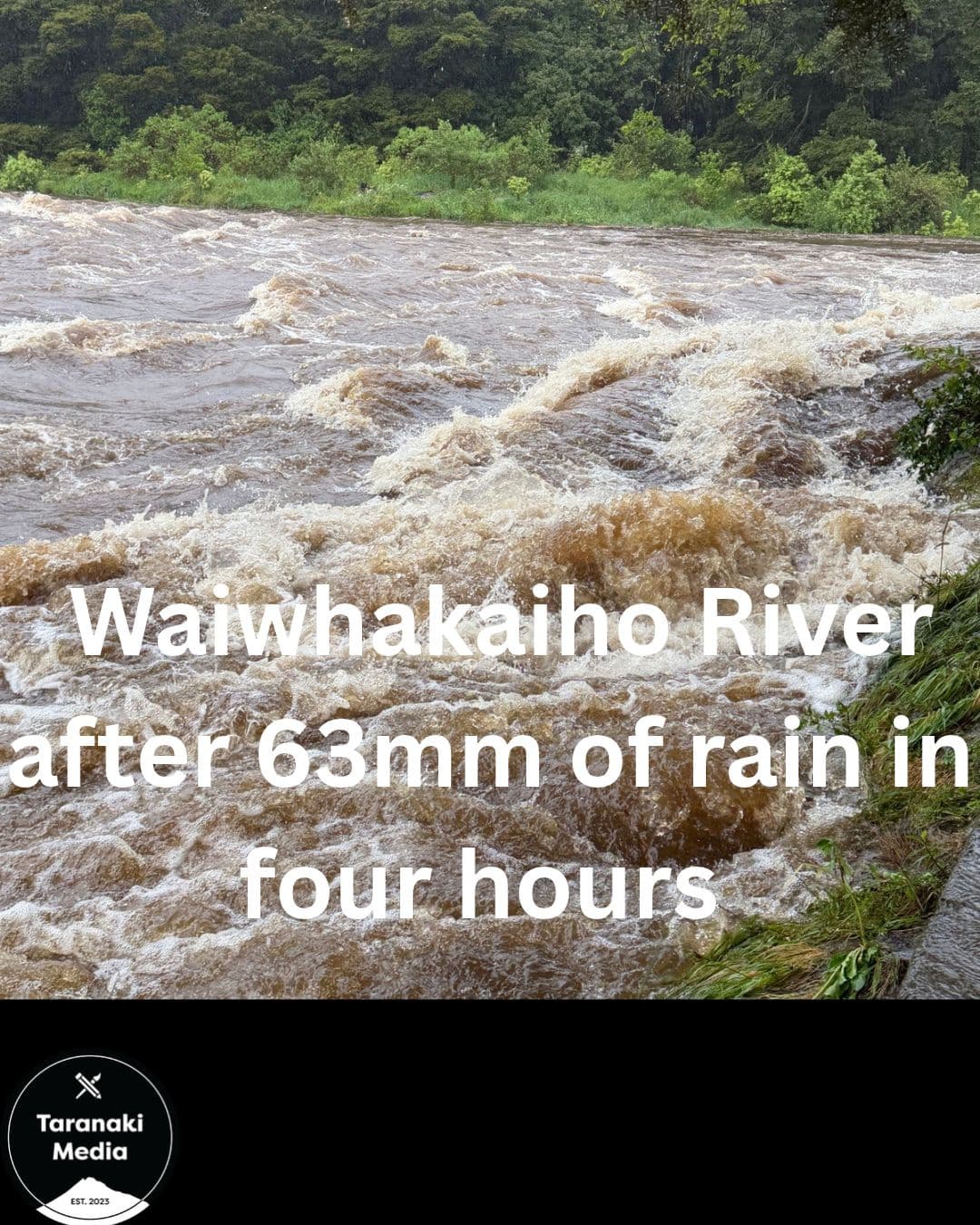
A river that appeared relatively shallow and harmless on a fine morning could become a raging torrent after several hours of heavy rain.
European newcomers frequently underestimated how quickly New Zealand rivers could rise. Unlike many rivers they might have known in Britain, local waterways could change dramatically following heavy rainfall in their catchments.
The problem was particularly dangerous because many crossings were unmarked, and the riverbeds could be uneven, slippery and unstable.
Horses added another complication. People regularly attempted to cross rivers on horseback, sometimes with luggage, supplies or livestock. A horse could lose its footing, become frightened or be swept downstream, taking its rider with it.
There was also the question of swimming ability. Many settlers had never learned to swim, and even those who could swim might have had little chance against a powerful current, particularly when fully clothed and weighed down by boots.
For miners, farmers, surveyors, missionaries and explorers, crossing rivers was often an unavoidable part of everyday life. Some worked beside rivers, while others camped on low-lying banks where rising water could overwhelm them during the night.
Children were particularly vulnerable.
Taranaki's 17 recorded deaths provide a reminder that the province was not immune to these dangers. Early settlers were establishing farms, building roads and travelling between isolated communities, often with rivers and streams standing between them and their destinations.
The parliamentary return even records the drowning of Thomas Davis junior in the Huatoki River in March 1848.
It is a sobering reminder that the waterways we now cross safely by bridge were once potentially deadly obstacles.
The problem was not confined to ordinary river crossings. The devastating Central Otago floods of 1863 killed more than 100 people, many of them miners living in makeshift huts and tents beside rivers. In one incident, 12 men drowned when their accommodation collapsed into the swollen Shotover River.
Gradually, bridges, better roads, ferries, improved weather knowledge and more organised settlement reduced some of the risks. But drowning remained a serious national problem for decades.
Today, we take for granted the ability to drive across a bridge over the Waiwhakaiho, Huatoki or Waitara rivers without giving the water below a second thought.
For the pioneers, however, those same waterways could represent a potentially fatal journey.
The expression "The New Zealand Death" may sound like an exaggeration today, but the 1870 parliamentary figures demonstrate that it was anything but.
More than a thousand recorded river drownings in just three decades is an extraordinary toll – and a reminder of just how dangerous everyday life could be in early colonial New Zealand.