
THE WAIWHAKAIHO: A BEAUTIFUL RIVER WITH A DEADLY HISTORY
Why New Zealand once called drowning “The New Zealand Death” – and why our mountain-fed rivers still deserve respect.
The Waiwhakaiho River is one of New Plymouth's most familiar waterways. Flowing from the slopes of Mt Taranaki through the countryside towards the sea, it is a beautiful feature of our landscape and a popular destination for swimmers, walkers and kayakers.
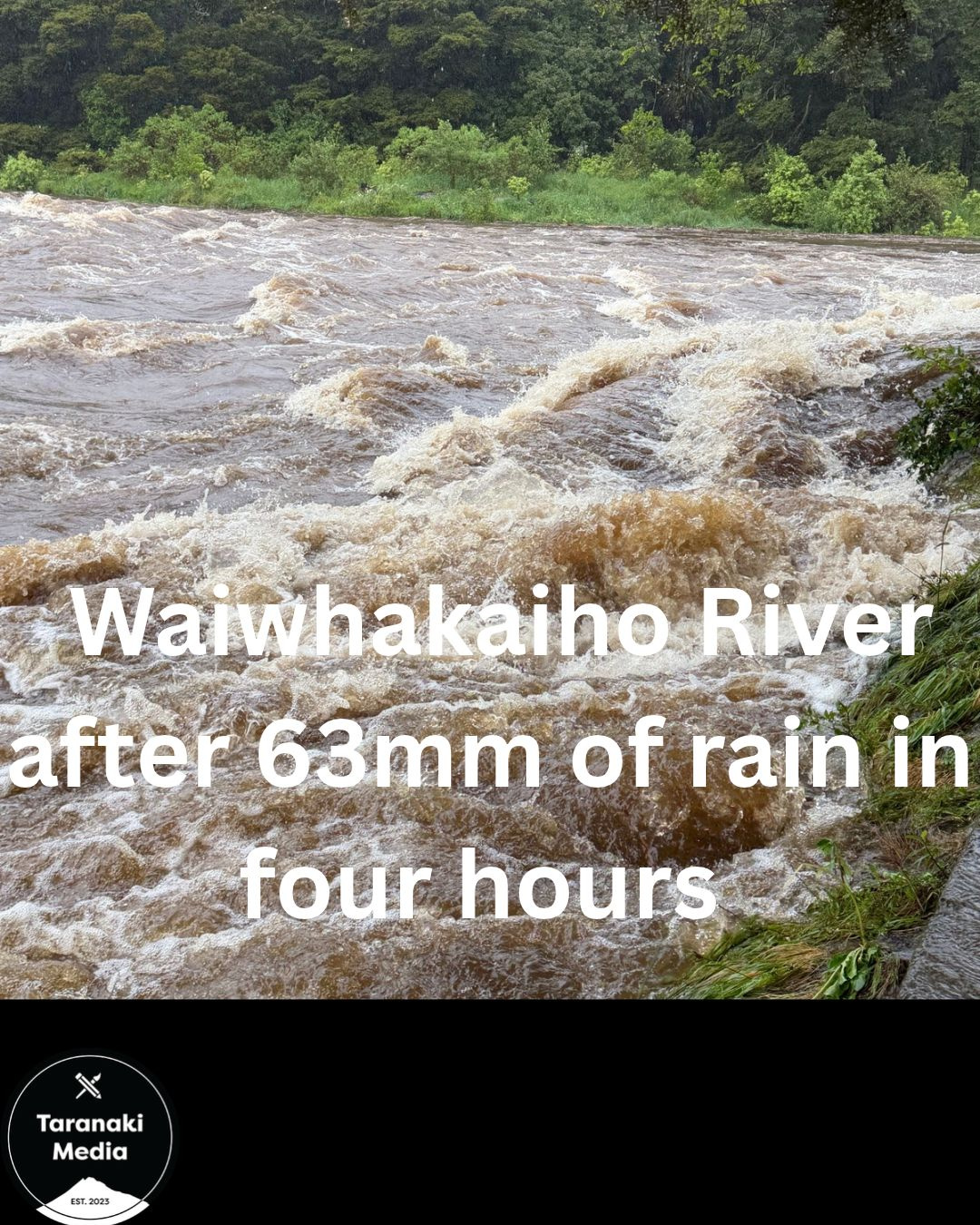
But behind its beauty lies a potentially deadly force. When heavy rain falls on Mt Taranaki, the Waiwhakaiho can rise dramatically in just a few hours, transforming a familiar swimming spot into a dangerous torrent.
Imagine 65mm of rain falling on the mountain in just four hours. That represents 65 litres of water landing on every square metre of ground. Across the river's extensive catchment, millions of litres of rainwater can eventually make their way into streams and tributaries, rushing downhill towards the coast.
The danger is particularly serious when the ground is already saturated. Water runs off the steep mountain slopes, feeding the river and increasing both its depth and speed. A rise of 1.5 metres is no minor change. It can mean a dramatically more powerful current capable of sweeping people off their feet, moving rocks, undermining riverbanks and carrying heavy branches and other debris.
The Waiwhakaiho has demonstrated its extraordinary power. During the July 2025 rainfall event, a peak flow of approximately 417 cubic metres per second was recorded at Egmont Village. That is an astonishing 417,000 litres of water passing a single point every second.
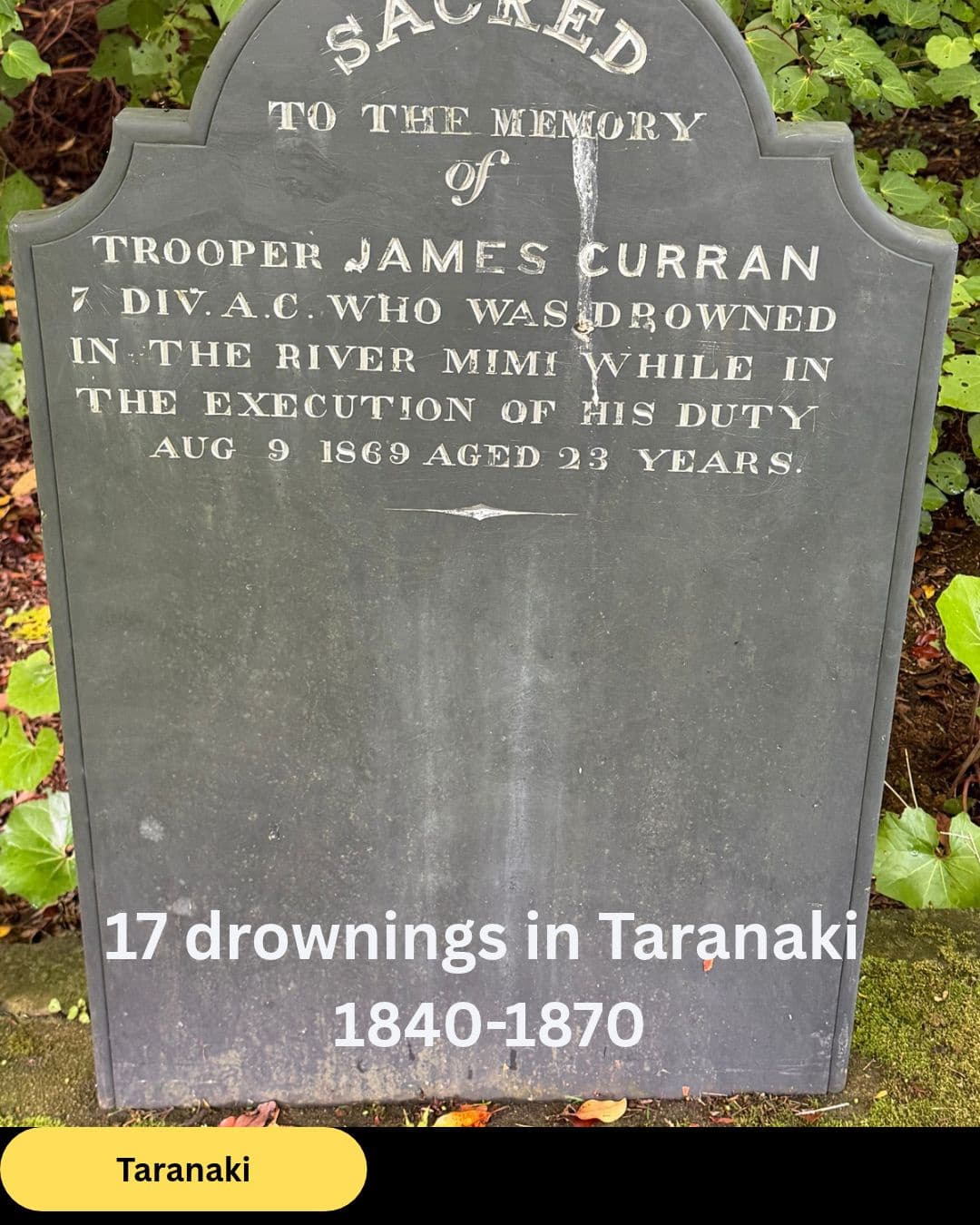
There is an interesting historical connection to New Zealand's wider relationship with water. According to Te Ara – The Encyclopedia of New Zealand, by 1870 rivers had been responsible for approximately 1,115 recorded drownings. This was only a few decades after large-scale European settlement began.
Drowning was such a serious problem that New Zealand eventually developed organised swimming instruction and lifesaving campaigns. In 1910, the country's first surf lifesaving club was established at New Brighton in Christchurch, following concerns about repeated beach drownings.
The expression "The New Zealand Death" became associated with the country's tragic drowning toll. Interestingly, the warning even found its way into popular education. A 1951 New Zealand educational film was titled How to Drown, using reverse psychology to teach people about water safety.
The expression may sound old-fashioned, but its message remains remarkably relevant.
The Waiwhakaiho is a wonderful part of Taranaki, but its mountain catchment means conditions can change with frightening speed. Never attempt to cross a flooded river, keep children away from swollen waterways and remember that the danger can remain long after the rain has stopped.