
The community consultation process regarding the future of TSB Bank has brought the financial burden of digital modernisation into focus.
While owner Toi Foundation looks to exit its 100% shareholding through a proposed $620 million merger with Heartland Bank, alternative regional and customer-owned financial institutions are choosing a different path.
SBS Bank and The Co-operative Bank are currently executing aggressive, multi-year technological overhauls to compete against the major Australian-owned banks without giving up their independent, member-owned models.
Toi Foundation announced the conditional merger agreement earlier this month, triggering a four-week public submission period, closing today at 5pm.
The proposed transaction would see TSB merge with Heartland to create TSB Heartland Bank, a move driven in part by the escalating cost and complexity of maintaining competitive digital infrastructure.
A more diversified investment portfolio will allow Toi Foundation to grow its philanthropic grants across the Taranaki region, though the decision means the province faces the loss of its iconic, fully local bank.
Instead of seeking a merger partner to absorb these mounting costs, The Co-operative Bank has opted for a cloud-native migration strategy.
The Wellington-headquartered institution, which services more than 180,000 customers across New Zealand, signed a deal with United Kingdom technology provider 10x Banking to completely swap out its legacy core operating system.
Chief Executive Mark Wilkshire stated the investment was a long-planned step to build a more scalable model for the decades ahead.
"Banks around the world are grappling with how to replace legacy systems," Wilkshire said. "As a small New Zealand bank, we have the advantage of being nimble and we are aiming to implement the latest core banking technology over the next three years."
The phased shift means customers are expected to see real-time product innovations and smoother digital experiences from late 2026.
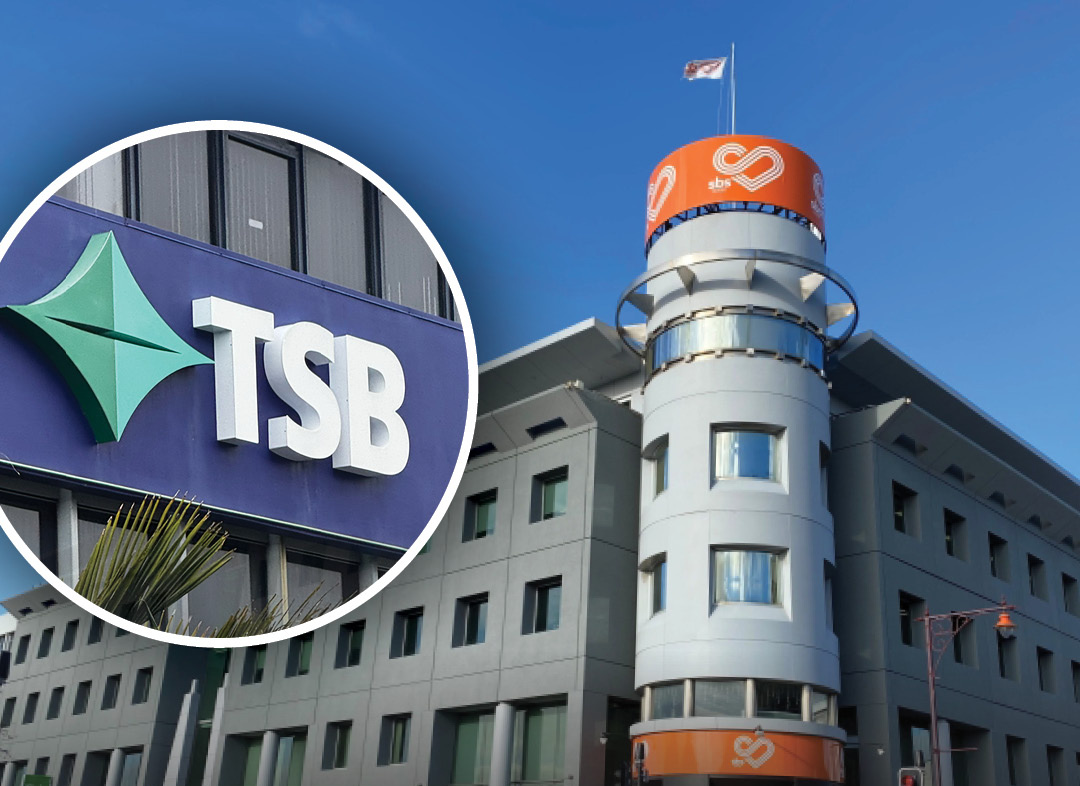
Further south, Invercargill-based SBS Bank is implementing a similar technical strategy.
Releasing its annual financial results on June 3, the mutual building society detailed a long-term partnership with Engine by Starling, the cloud-native platform developed by British digital bank Starling Bank.
Alongside implementation partner Deloitte New Zealand, SBS Bank is overhauling its central architecture to introduce software-as-a-service operations, which management expects to significantly improve fraud protection and everyday security.
SBS Bank Group Chief Executive Mark McLean noted that the transformation represents a major evolution, enabling modern ways of working for internal teams and providing members with an intuitive mobile application by late 2027.
These extensive technological overhauls require deep pockets, often impacting short-term profitability.
SBS Bank reported a resilient underlying operating surplus of $45 million for the financial year, despite the heavy upgrade investments compressing its bottom line.
SBS Bank Chairperson Joe O'Connell explained that the expenditure would place the bank at the forefront of global banking technology.
"Members will notice this investment through faster, easier and more secure everyday banking," O'Connell said.
Both SBS and The Co-operative Bank are leveraging strong capital adequacy ratios, hovering around 18%, to absorb these modernisation expenses while maintaining steady lending operations.
While the Toi Foundation maintains the Heartland transaction provides the surest path to diversify its assets and secure regional operations, the ongoing technical initiatives at SBS and The Co-operative Bank suggest that local independence and modern technology are not mutually exclusive.