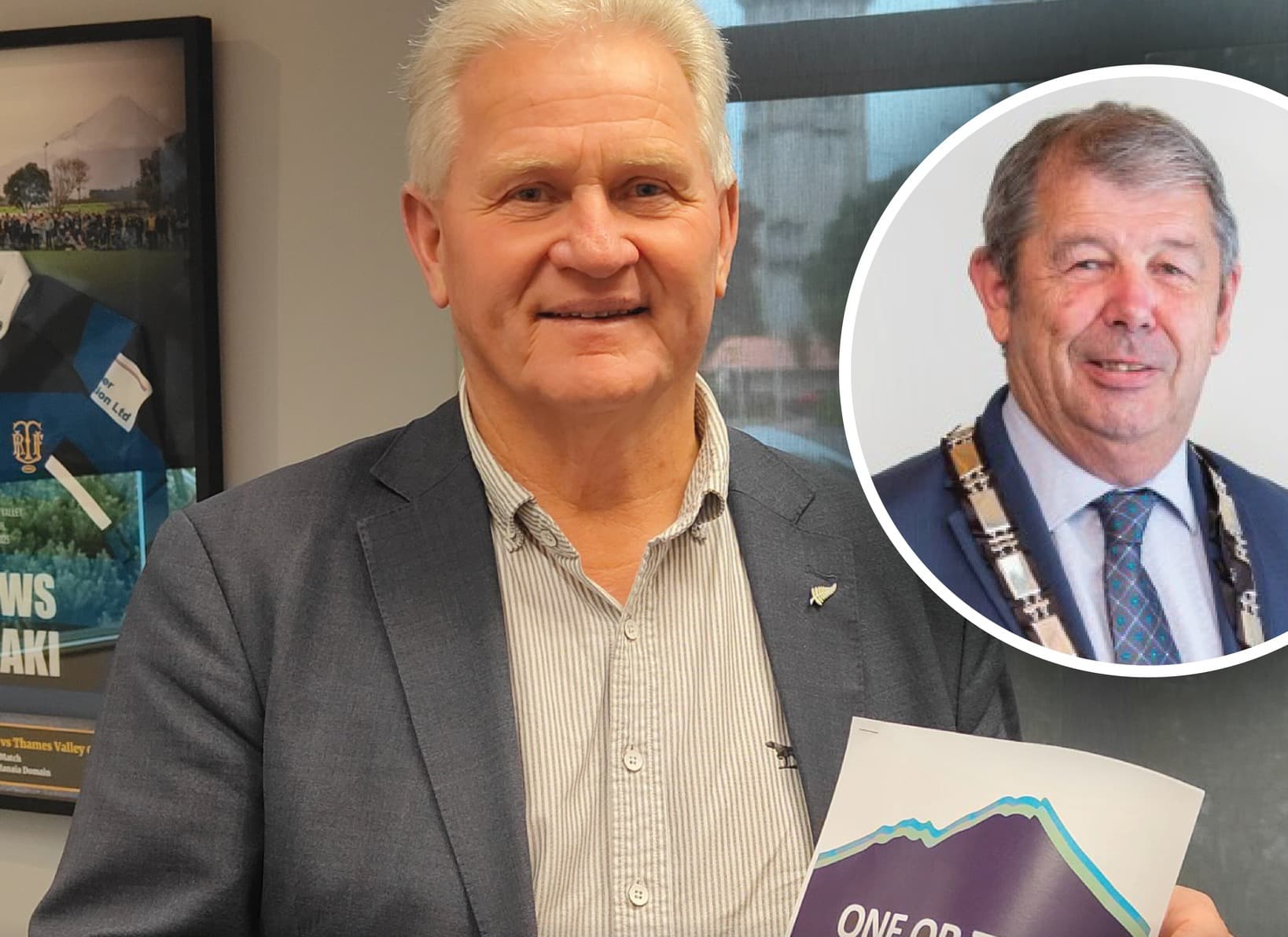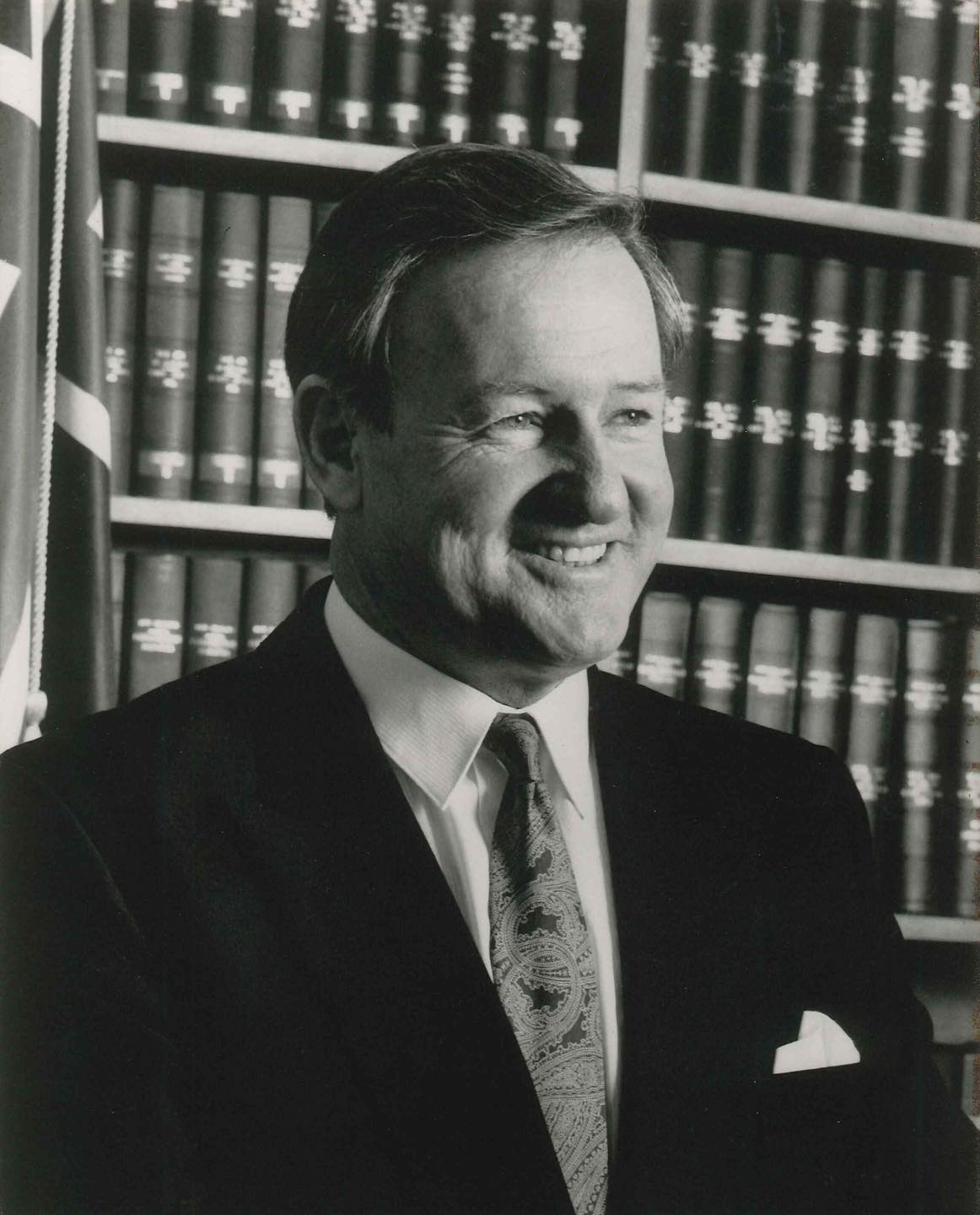
According to a statement from his family, he passed away peacefully, surrounded by his wife Joan, his nine children, and grandchildren.
Prime Minister Christopher Luxon described Bolger as “a towering figure in New Zealand’s political life – a leader of conviction, a reformer of consequence, and a servant of the people whose legacy has shaped the nation in profound and lasting ways.”
While his political legacy will be debated by historians and commentators, many recall Bolger’s rural roots, his commitment to public service, and his willingness to engage with difficult challenges. He accepted no imperial honours, but in 1998 was appointed a Member of the Order of New Zealand, the country’s highest civilian honour.
Local Taranaki ties
Bolger was born and raised in Ōpunake. He attended Ōpunake High School and left formal education at age 15 to help on the family farm.
In his early farming years, he worked in Taranaki before moving to Te Kūiti.
He purchased his own farm near Rahotu (in Taranaki) in 1962.
His parliamentary representation always included the rural heartland. He first represented the King Country electorate from 1972 onward, and in 1996 the electorate was reconfigured as Taranaki-King Country, which he continued to represent until his retirement.