
South Taranaki and Stratford district councillors have voted to back a two-council model for the region, rejecting the idea of one council covering all of Taranaki.
The decision is part of the Government’s Head Start pathway, which requires councils to submit outline proposals for local government reform by August 9.
Under the proposed central government changes, regional councils will be abolished after 2028, with all districts eventually becoming unitary authorities that handle both local and regional functions.
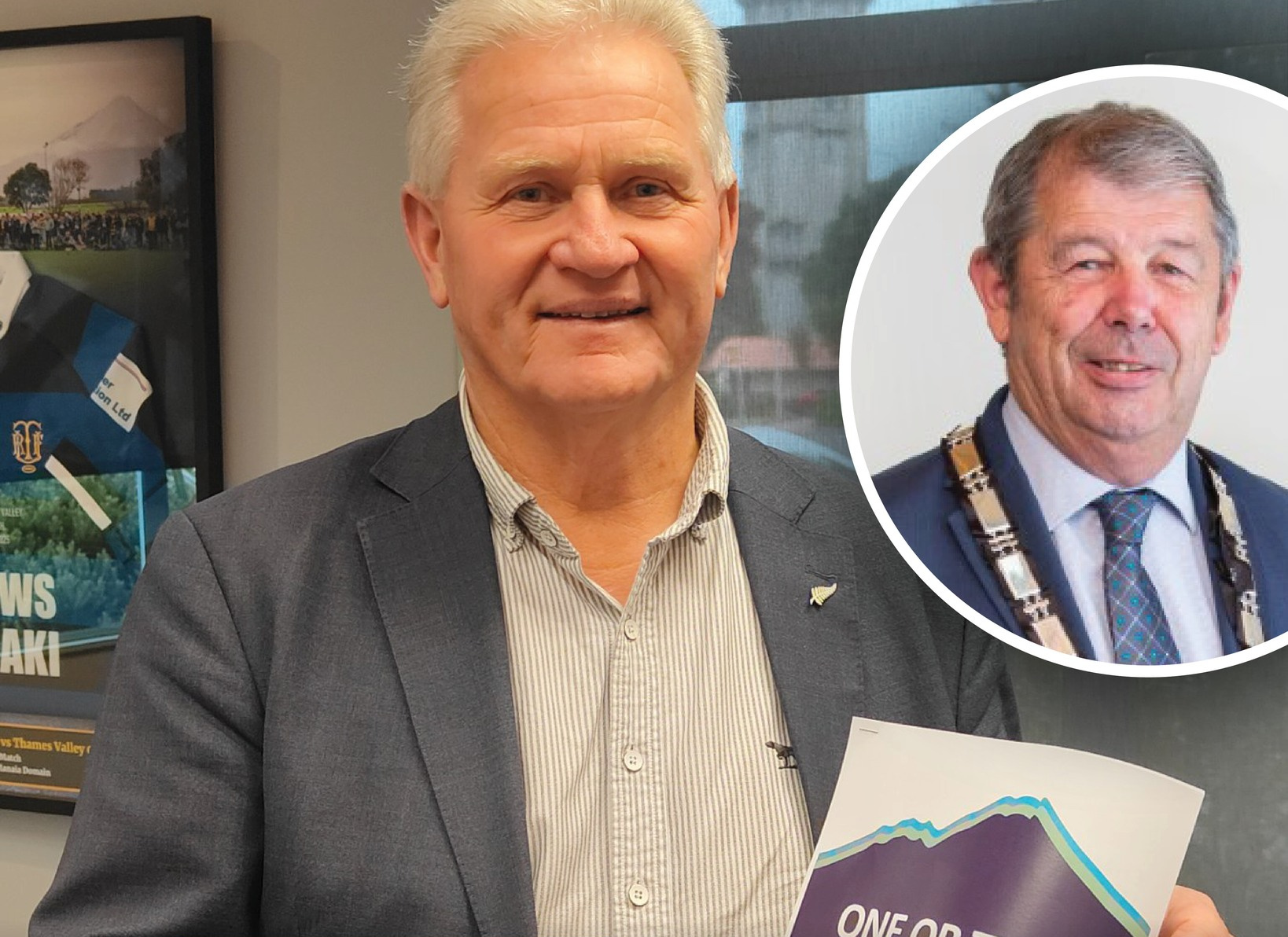
South Taranaki District Mayor Phil Nixon said the vote reflects a clear message from local communities and iwi to protect local decision-making.
"Our community has been very clear," Nixon said. "People understand change is coming, but they do not want south or central Taranaki’s voice to be lost in a single, region-wide council."
Public surveys showed massive support for the two-council split. In South Taranaki, 94% of the 1,392 respondents backed the model, while 83% of the 633 responses in Stratford agreed.
Stratford District Mayor Neil Volzke called the joint proposal a balanced approach that keeps governance close to the communities most affected by it.
"We believe a Stratford and South Taranaki unitary council would better reflect the needs of our rural and smaller-town communities, while still allowing regional functions to be managed in a coordinated way where that makes sense," Volzke said.
Meanwhile, the New Plymouth District Council is taking a different route.
During an extraordinary meeting on July 15, NPDC councillors agreed to draft an alternative proposal that will not identify a preferred model at this stage.
New Plymouth District Mayor Max Brough previously said the council needed to drive its own reform work, rather than sitting back and letting the Government decide their future.
Both Nixon and Volzke confirmed they will continue working collaboratively with New Plymouth and the Taranaki Regional Council to ensure shared services are managed effectively.
The outline proposals submitted in August do not lock in any immediate changes to rates, representation, or local services. Detailed proposals will follow in March 2027, with further public consultation required before final decisions are made.