
The government has announced a sweeping law change restricting voting rights on council committees to elected members only, effectively removing the decision-making power of unelected iwi representatives.
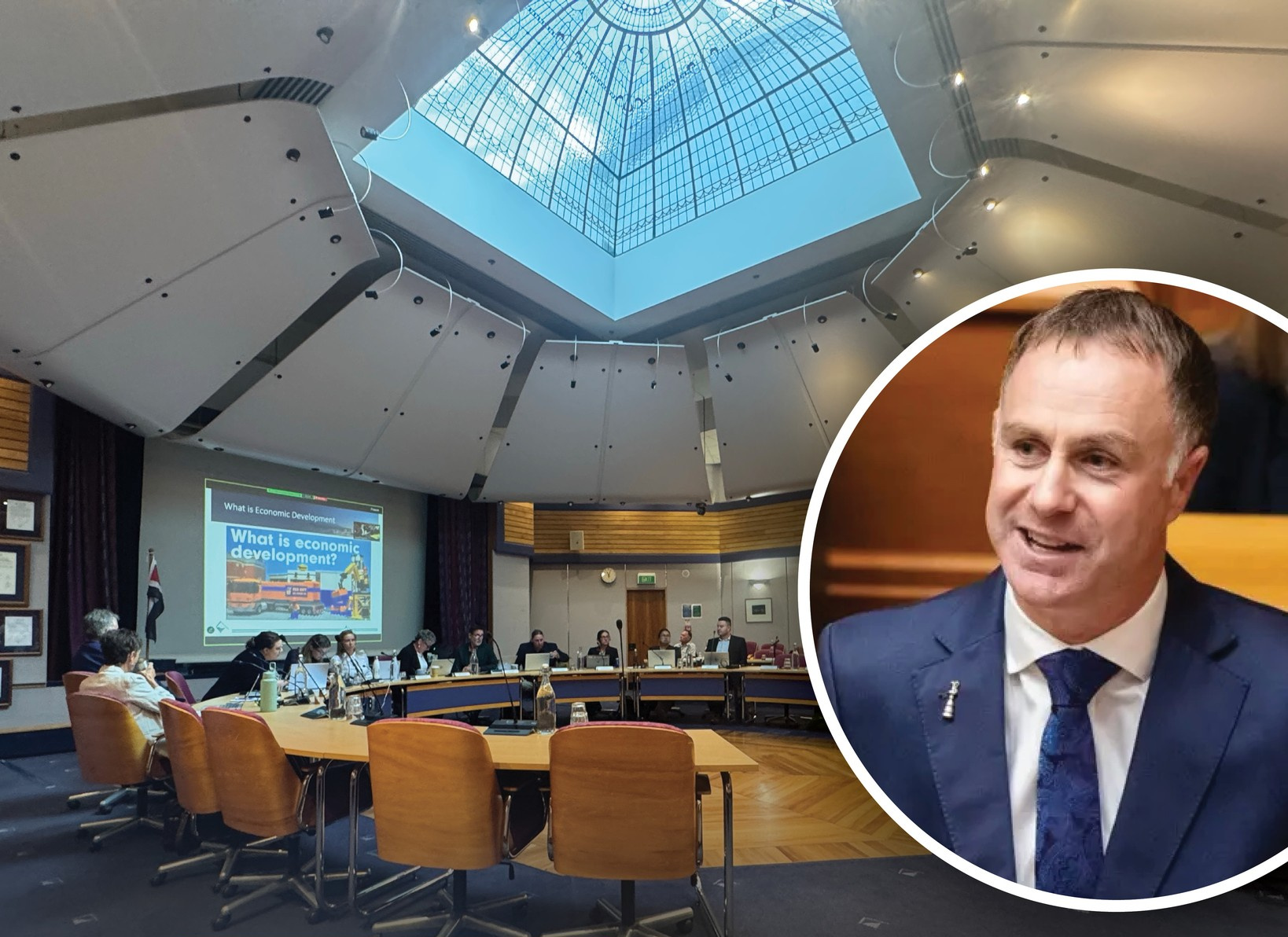
Local Government Minister Simon Watts announced the law change today, stating the move is designed to strengthen democratic accountability across New Zealand.
"Councillors are directly accountable to voters for their decisions. We are amending the Local Government Act 2002 so only elected members hold voting rights at council committee meetings," Watts said.
The government pointed to examples in the Far North, Tauranga and Hastings, where individuals such as iwi representatives and people under 18 have been appointed to committees with full voting rights.
Watts noted that giving voting power to individuals who have not been elected by the community undermines decision-making and dilutes the influence of elected members.
"That's not democratic, so we're fixing it," he said.
New Plymouth District Council currently has five unelected Iwi appointees on Te Huinga Taumatua, a formal committee with delegated decision-making powers. There is also one unelected appointee as chair of the Finance, Audit & Risk Committee.
Under the new legislation, councils can still appoint non-elected members to offer professional advice and represent communities. However, these appointments will no longer carry voting rights, or count towards a committee quorum.
There are exceptions to the new rule. Watts confirmed that statutory committees and appointments agreed upon as part of Treaty of Waitangi settlements are excluded from the changes. Committee members appointed under legislation outside the Local Government Act 2002 will retain their voting rights.
The voting restrictions will be included in the Local Government (System Improvements) Bill currently before Parliament.
Once the bill passes into law, councils will have a six-month window to review their delegations and appointments before the changes officially take effect.