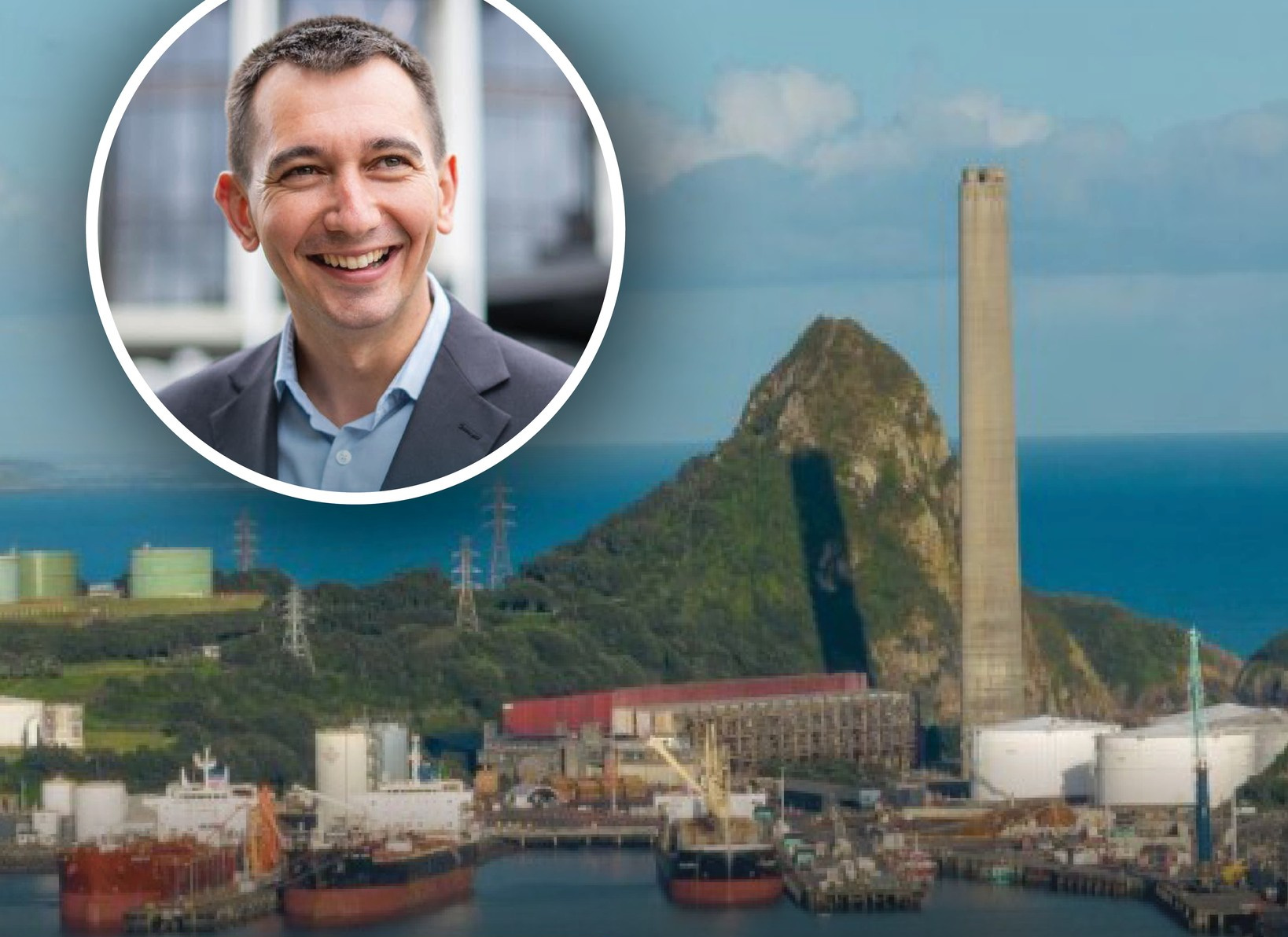

The government intends to sign a contract prior to the election for a new LNG (liquefied natural gas) import terminal at Port Taranaki.
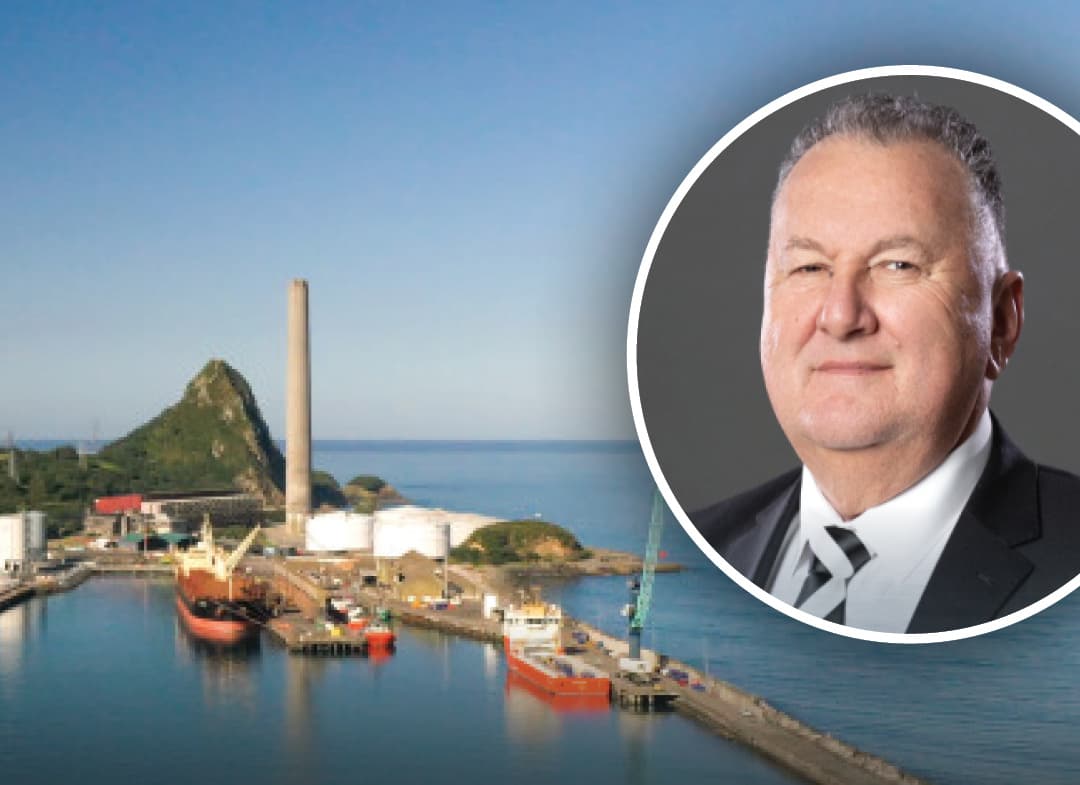
Energy Minister Simeon Brown confirmed on Tuesday that two shortlisted developers for the $1 billion project are progressing to the final selection stage. Both proposals are located at Port Taranaki in New Plymouth.
The announcement came alongside a major shift in how the facility will be funded. Brown scrapped a previous plan to charge households a levy of up to $4 per megawatt-hour.
"Kiwis can be certain of one thing, it will not be funded by a levy on power bills," Brown said during a speech to the Auckland Business Chamber. He said responsibility for keeping the lights on sits squarely with the electricity sector.
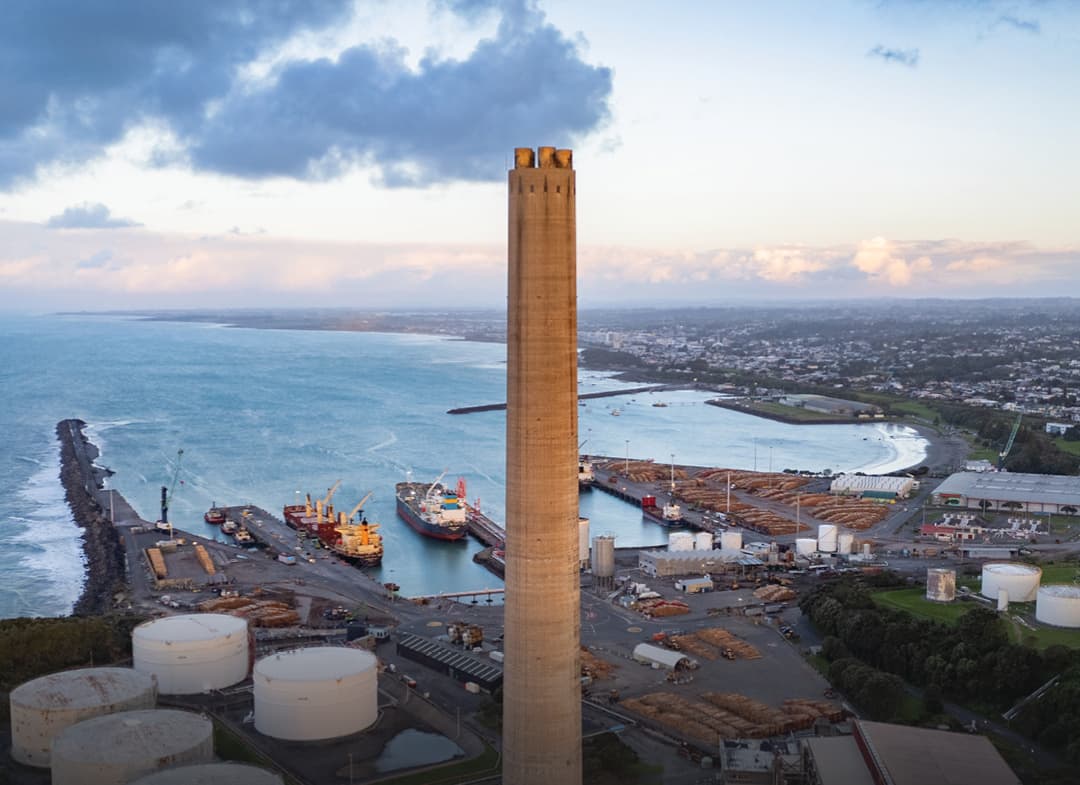
Port Taranaki chief executive Simon Craddock welcomed the development. He said an LNG import facility would act as a critical asset for the ongoing energy security of the country.
"We're pleased the two shortlisted projects both utilise Port Taranaki, with our access to gas transmission pipelines, our energy infrastructure and facilities, decades of experience supporting the energy sector, and our experience and skills in handling oil and gas products," Craddock said.
Acknowledging local concerns about hosting an LNG facility in a populated area, Craddock said safety would remain the absolute priority for all port operations.
He said the port would demand assurances from qualified environmental and safety regulators before backing a specific concept. Port management and government officials are also consulting with Ngāti Te Whiti hapū as the procurement process continues.
The Ministry of Business, Innovation and Employment is now working to finalise a fair funding model with major power companies.
To further shore up the national grid, the Government is imposing steeper fines on power providers that fail to secure enough generation for dry winters. Penalties will jump from a flat $2 million to either $10 million, 10 percent of the company's turnover, or three times their commercial gain.
Brown said the facility aims to be operational by 2028. He noted that recent geopolitical tensions highlight the need for diversified fuel supplies, adding that LNG remains the fastest and most flexible solution to back up intermittent renewable energy sources like wind and solar.