
Parliament has passed landmark legislation representing the biggest overhaul of New Zealand mental health laws in more than 30 years. The new law replaces an act written over three decades ago that health officials say doesn't reflect how modern care is delivered.
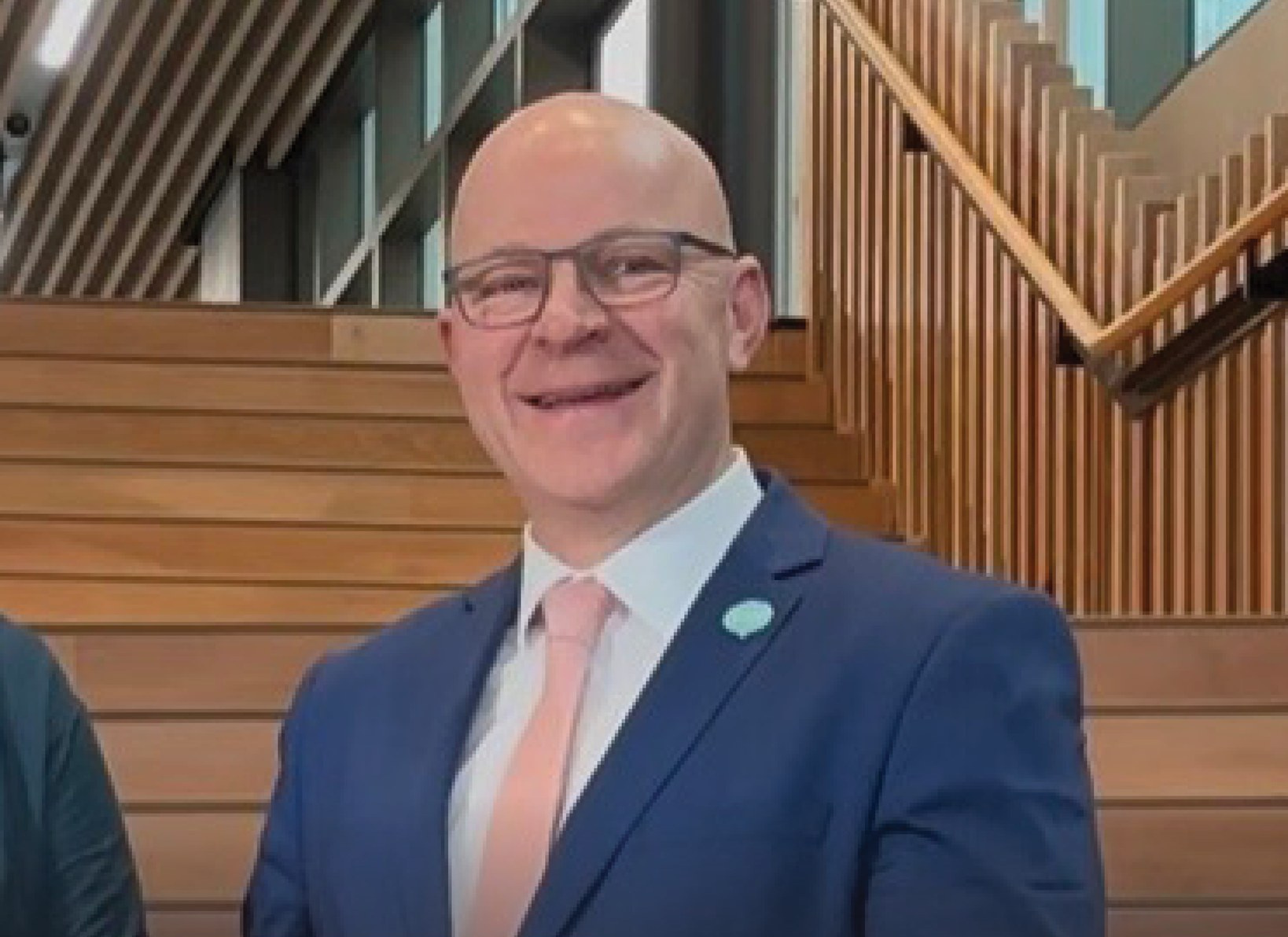
Mental Health Minister Matt Doocey welcomed the passage of the bill, calling it a historic milestone. In a national press release, Doocey said it's a "once-in-a-generation reform" designed to strengthen individual rights and update practices to match modern understandings of recovery.
"Our old mental health law was written more than 30 years ago and no longer reflects how mental health care is delivered today," Doocey said. He noted that people rightly expect care that's more respectful of their rights and focused on recovery.
The legislation completely bans the use of seclusion for young people. For adult patients, the law enforces stricter safeguards and greater oversight to limit when seclusion can be used, with the long-term goal of phasing it out entirely.
New protections will also keep mothers and their newborn babies together during compulsory care. Under these rules, separation can only happen if a responsible practitioner determines it's strictly in the best interests of both mother and child.
Furthermore, the bill raises the threshold for using electroconvulsive therapy (ECT), ensures independent advocacy is available, and increases family involvement in care decisions. Doocey noted that these adjustments directly address at least ten recommendations from the Royal Commission of Inquiry into Historical Abuse in State Care and in the Care of Faith-based Institutions.
The health sector has been given a two-year transition period before the legislation officially comes into force. This timeframe allows regional clinical teams and facilities to adapt their operations.