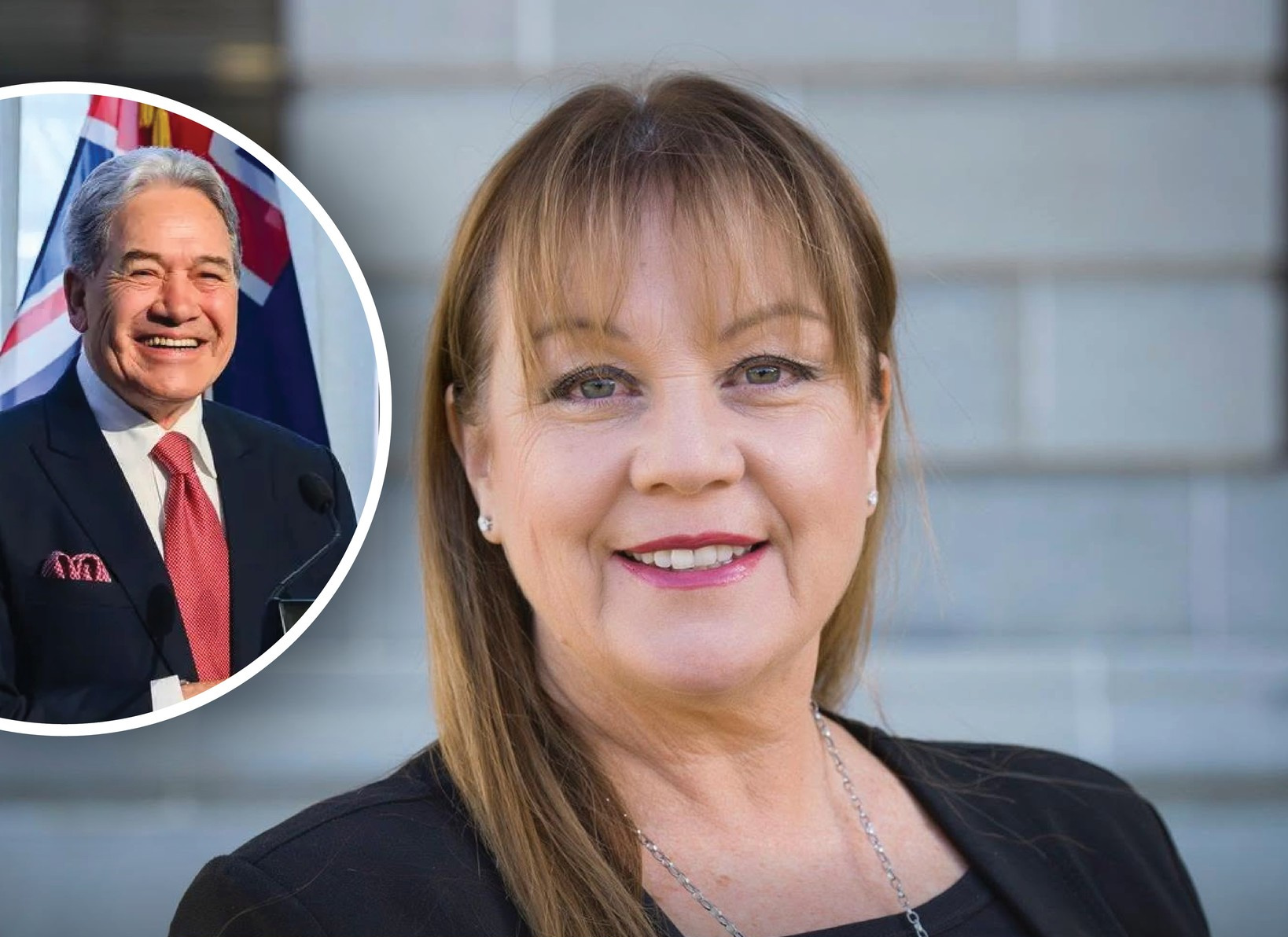

A controversial private member's bill that would lock biological definitions of sex into New Zealand law is drawing public scrutiny as the deadline for community feedback approaches.
Introduced by New Zealand First MP Jenny Marcroft, the Definitions of Woman and Man Amendment Bill passed its first reading in May and is currently undergoing select committee review.
The public has until July 2nd to submit their views on the proposed changes, which have sparked nationwide rallies and debate.
Under the proposed legislation, the Legislation Act 2019 would be amended to define a woman as "an adult human biological female" and a man as "an adult human biological male."
Corresponding definitions would also be established for the terms "male" and "female" across all statutory frameworks.
Proponents of the bill argue that the amendment is necessary to establish clear guidelines for sex-segregated spaces and to protect the integrity of sex-based rights.
During parliamentary debates, Marcroft stated that the purpose of the bill is to uphold legal certainty and ensure that the language used in law reflects biological reality.
National and ACT lawmakers supported the bill through its first reading to allow for public submissions, though National Deputy Leader Nicola Willis noted that her party has not committed to supporting the bill beyond the select committee stage.
ACT leader David Seymour defended the progression of the bill, stating that it acknowledges the existence of two biological sexes.
In contrast, opposition parties and human rights organisations have condemned the bill, labelling it an unnecessary distraction that targets vulnerable minorities.
The Human Rights Commission released a statement warning that the legislation falls short of international human rights obligations.
Equal Employment Opportunities Commissioner Gail Pacheco stated that there is no operational need for the bill. "The law already works well using the usual meaning of those words," Pacheco said, explaining that introducing strict definitions could create confusion and cause problems without changing how the law functions.
Legal and advocacy groups, including the Green Party and Rainbow community organisations, have also raised concerns about potential unintended consequences. Critics point out that because the bill defines a woman as an "adult" without specifying an exact age, it could inadvertently interact with the Age of Majority Act 1970, where adulthood is set at 20. They argue this could impact access to age-specific health services for young women under 20.
Parliament's Social Services and Community Committee is currently accepting public submissions online until midnight on July 2, after which it will review the feedback before reporting back to the House.