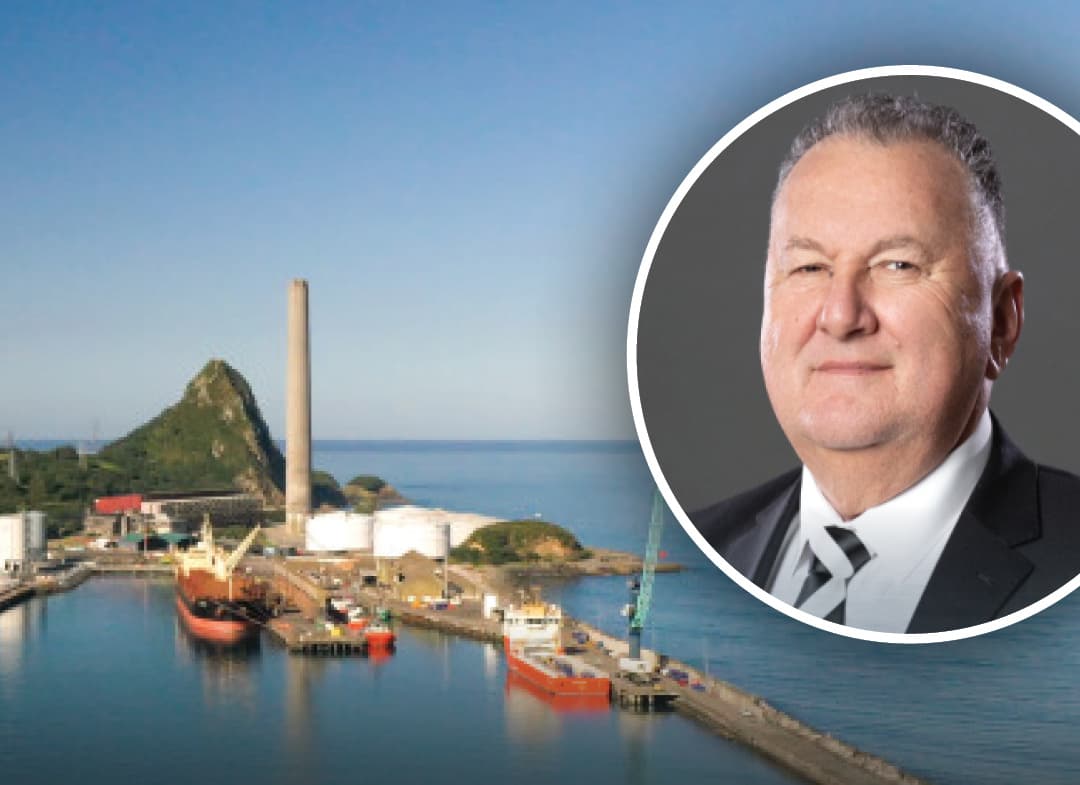

The South Taranaki District Council has launched a survey asking residents to weigh in on the future of local government, posing a blunt question: "One or two councils for Taranaki?"
The move follows the Government’s "Head Start" pathway announced on 5 May, which mandates significant changes to how local authorities operate across New Zealand.
Under the proposed reforms, regional councils will cease to exist after 2028.
District and city councils will eventually become unitary authorities, taking on the responsibilities currently split between both tiers of local government.
At present, district and city councils handle local services like roads, rubbish collection, water, and parks. Regional councils manage public transport and environmental issues.
To avoid a forced amalgamation process later, the South Taranaki District Council (STDC) has opted into the voluntary Head Start programme.
According to the council's survey, taking part allows them to "have a say in developing our future, instead of having it done to us later."
Territorial authorities have until 9 August 2026 to submit an outline proposal to the government.
These proposals can involve forming one new unitary authority for an entire region or creating a small number of sub-regional unitary authorities.
While the survey does not detail the exact scenarios, recent discussions across the region have floated the idea of a single council covering all of Taranaki, versus a split that would see the New Plymouth District Council operate separately from a combined Stratford and South Taranaki entity.
The council has been in talks with other regional bodies since the government announcement and is urging locals to get involved early.
"This is your opportunity to get involved and have an early say on what is most important to you," the council stated in its survey.
The survey is not a binding poll, but the feedback will help shape the formal proposal submitted to the government.
The August deadline only requires an outline proposal, meaning the council will develop deeper financial analysis and specific governance arrangements later in the process.