
Could Taranaki Have Its Own Oil Refinery Again?
Taranaki has been at the heart of New Zealand’s oil industry for more than 160 years. Now, with renewed interest in exploration and the potential of Monumental Energy’s Maata prospect, an intriguing question arises: could the region one day have its own small oil refinery again?
But perhaps the bigger question is what a successful discovery of 10 million barrels of oil would actually mean for Taranaki’s economy.
The answer could be significant. It would mean much more than oil coming out of the ground. It could bring investment, jobs, contracts, business opportunities and millions of dollars in economic activity to the region.
A new chapter for Taranaki oil
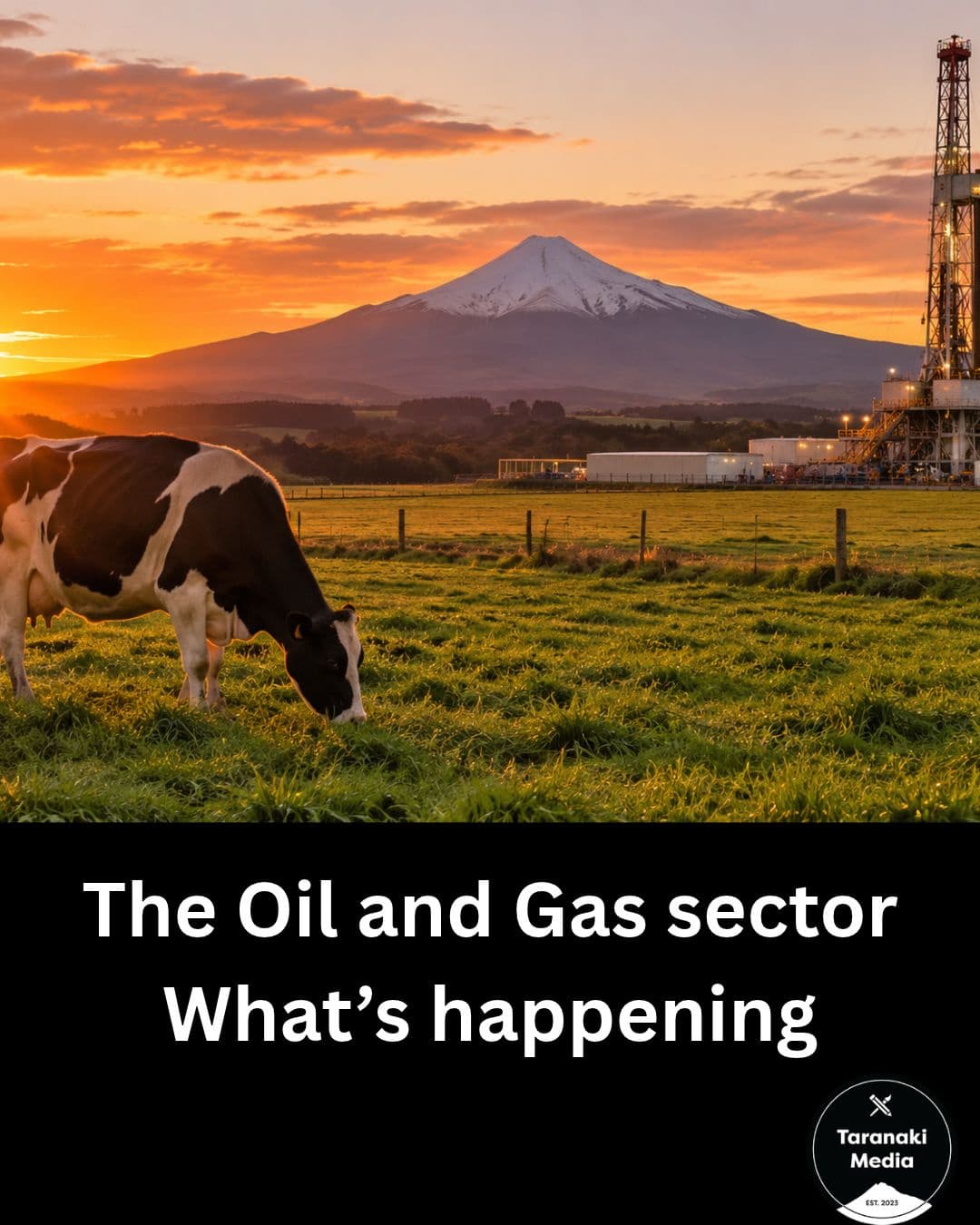
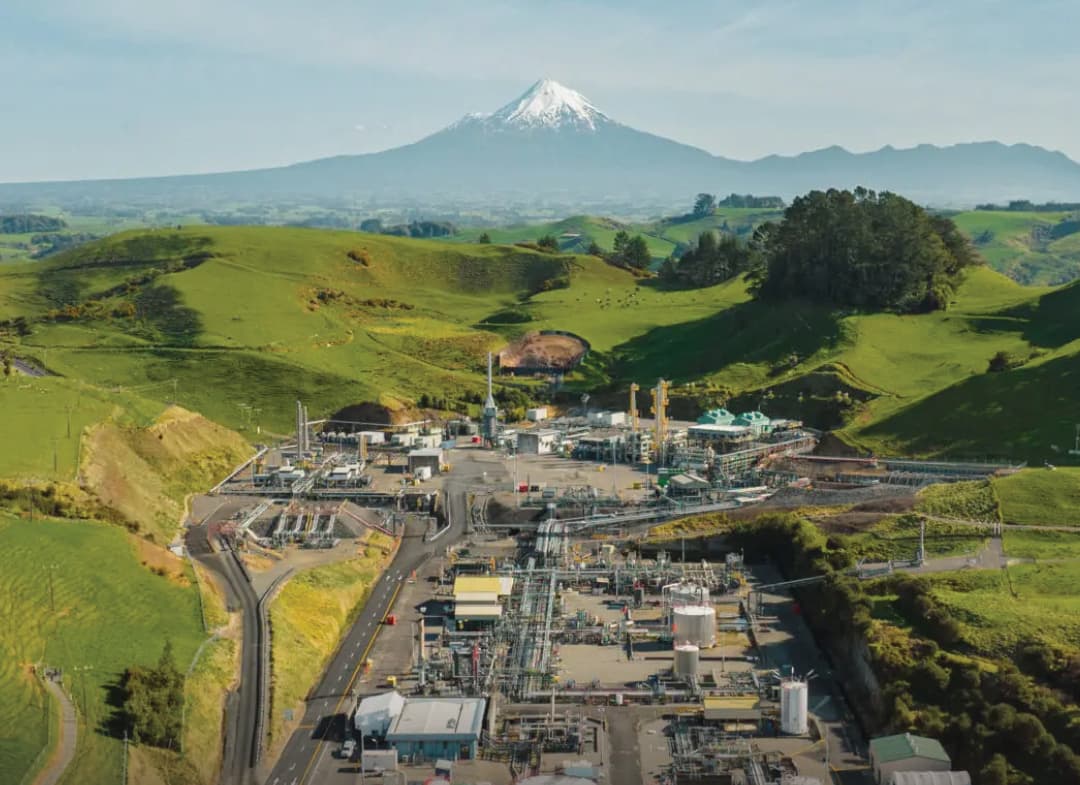
Monumental Energy, led by chief executive Max Sali, is working with several partners on the Maata prospect near existing oil and gas infrastructure in the Waihapa area.
The proposed Maata-1 well could be drilled in early 2027, subject to agreements and approvals. The Mount Messenger sandstone formation is thought to have potential for more than 10 million barrels of oil, with other formations also attracting interest.
That figure is a geological prospect estimate, not a proven reserve. The oil has yet to be discovered and tested. But if drilling confirms a commercially recoverable resource, it could give Taranaki’s petroleum industry a welcome boost.
What would 10 million barrels mean?
Ten million barrels is a substantial quantity of oil. To put it into perspective, at an assumed selling price of NZ$100 a barrel, it would represent gross sales of around $1 billion over the life of the field.
That is not a billion dollars of profit, nor would it all stay in Taranaki. There are substantial costs involved in drilling wells, operating equipment, transporting oil, maintaining infrastructure and paying staff. Oil prices also rise and fall.
But even allowing for those costs, a successful development could generate considerable economic activity.
Production would probably be spread over several years. For example, an average output of 5,000 barrels a day would take about five and a half years to produce 10 million barrels. At 2,000 barrels a day, it would take nearly 14 years.
That means the economic benefits would not necessarily be a short-lived construction boom. A producing field could provide a stream of work and business for years.
Jobs, contracts and local businesses
The first benefits would come during exploration and development. Drilling rigs, specialist equipment, engineering teams, construction crews and transport contractors would all be needed.
Local companies could compete for work supplying steel, pipes, pumps, electrical equipment, maintenance, catering, accommodation and transport. There would also be opportunities for engineers, electricians, welders, mechanics, technicians and other skilled workers.
Once production began, the field would need ongoing maintenance and operational support. Some jobs would be temporary, but others could continue throughout the producing life of the field.
The wider community could benefit too. Contractors staying in local accommodation, buying meals, purchasing supplies and using local services all contribute to the regional economy.
A successful discovery could also encourage further exploration. If one prospect proves commercially successful, other companies may become more interested in investing in Taranaki. That could help sustain the region’s specialist energy workforce and keep skills, equipment and expertise here.
What about royalties and government revenue?
There would also be a financial return to the country.
Under the general royalty arrangements applying to many petroleum permits, the royalty is usually the greater of 5 per cent of net sales revenue or 20 per cent of accounting profits. The actual arrangements depend on the permit and can differ.
Using the simple example of 10 million barrels sold at $100 each, gross sales would be $1 billion. Five per cent of that would be $50 million.
That is an illustration, not a guaranteed royalty payment. Actual royalties depend on the applicable rules, costs and sale prices. The Crown would also receive tax revenue where applicable.
These payments do not automatically go into Taranaki's regional coffers. However, the jobs, contracts, business activity and investment generated by a producing field could deliver direct benefits to the region.
Could Taranaki refine its own oil?
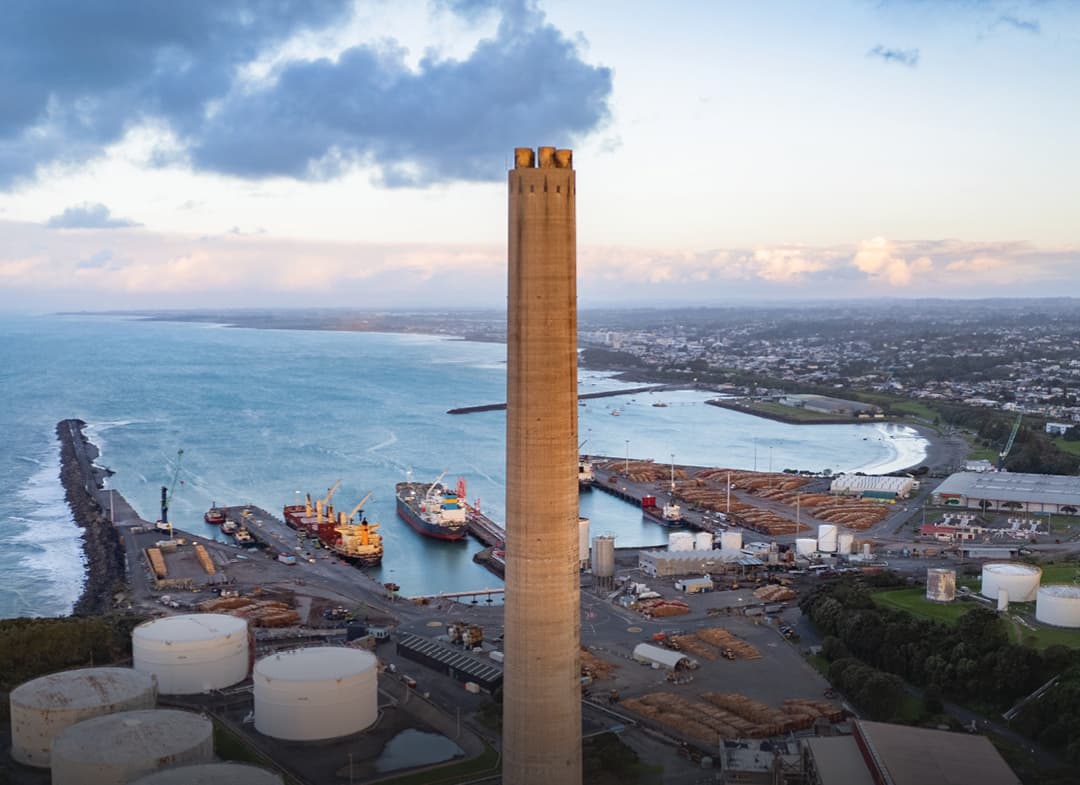
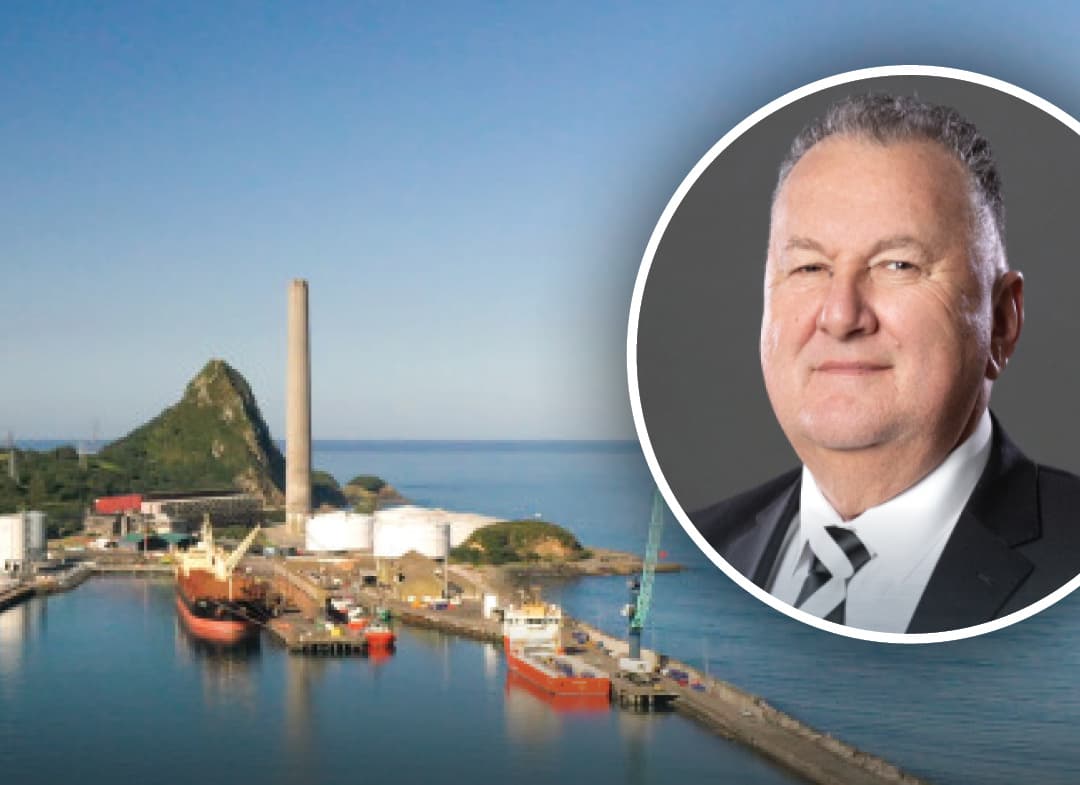
New Zealand once had two oil refineries: Marsden Point, near Whangārei, and smaller refining operations in Taranaki. The local industry dates back to the first oil wells at Moturoa in 1865. Taranaki even had its own petrol brand, PEAK.
The last local refinery closed in 1975. Marsden Point stopped refining in 2022, leaving New Zealand dependent on imported refined fuels. We still produce some crude oil, but much of it is exported for processing overseas.
A small, modern refinery in Taranaki could potentially turn locally produced crude into useful products such as diesel and other fuels. It might also strengthen New Zealand’s fuel security.
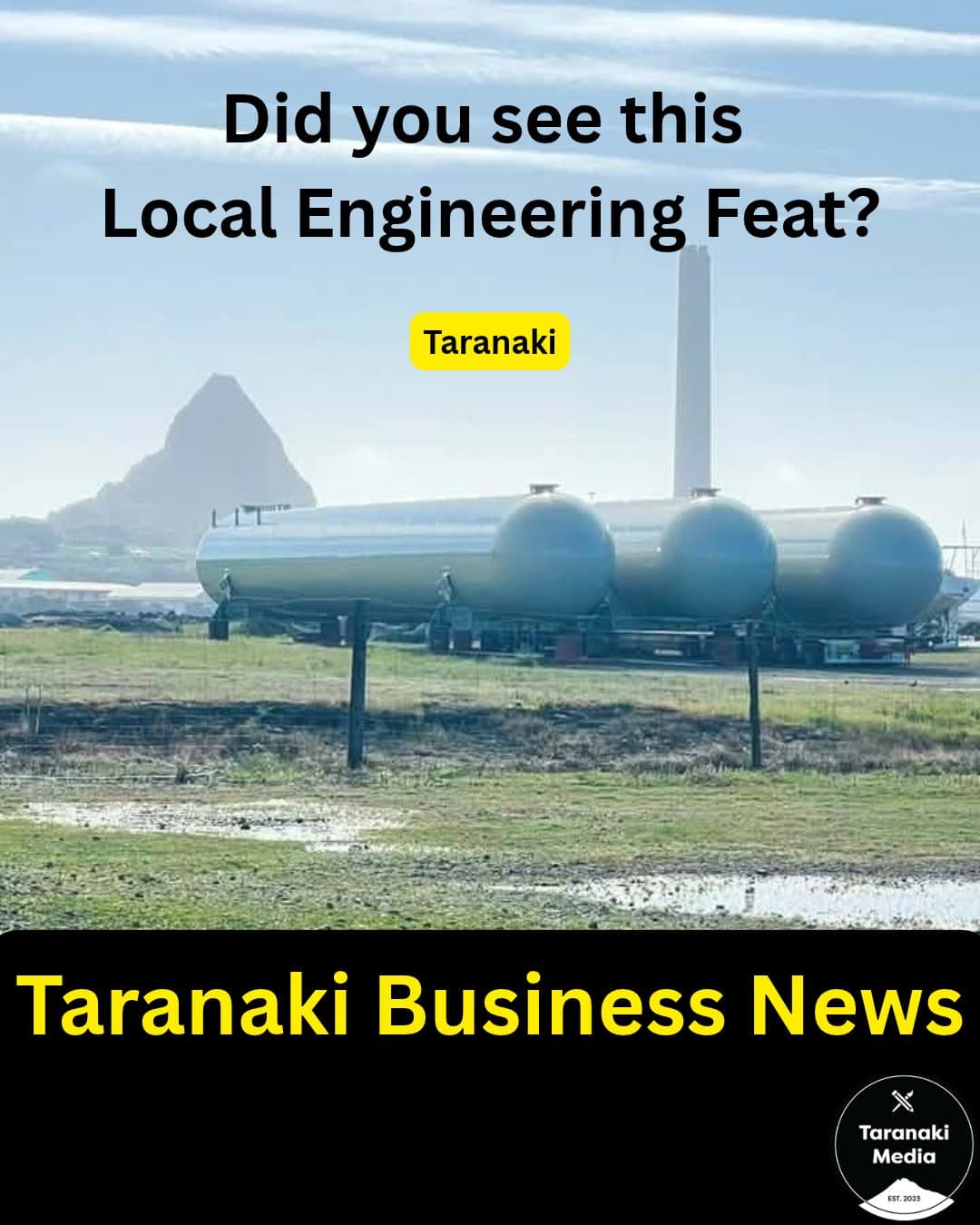
However, building a refinery is not simply a matter of installing a few tanks and pipes. Even a relatively small plant requires substantial investment, specialist staff, reliable supplies of suitable crude and customers for its products.
An MBIE fuel-security study examined a modular refinery concept with a capacity of about 5,000 barrels a day. Its estimated capital cost was $265.5 million, with around $15 million a year in readiness and operating maintenance costs for an emergency facility.
Those figures relate to a particular fuel-security proposal, not a confirmed commercial refinery project for Taranaki. A commercial plant would need its own detailed feasibility study.
The economics are challenging. A refinery must compete with large overseas plants that enjoy economies of scale. Ten million barrels could provide an interesting starting point, but a long-term, dependable supply of crude would be important.
A big opportunity for the region
The immediate priority is to establish whether the Maata oil is there, whether it can be recovered commercially and how much can ultimately be produced.
If the prospect delivers anything close to its estimated potential, it could be a major development for Taranaki. It would bring new work for local businesses, opportunities for skilled workers, investment in infrastructure and a renewed sense of confidence in the region’s energy sector.
A refinery might eventually be part of that conversation, but it is not essential for the discovery to make a difference.
Taranaki helped build New Zealand’s petroleum industry. A successful Maata development could give the region another opportunity to turn its energy resources into lasting economic benefits.