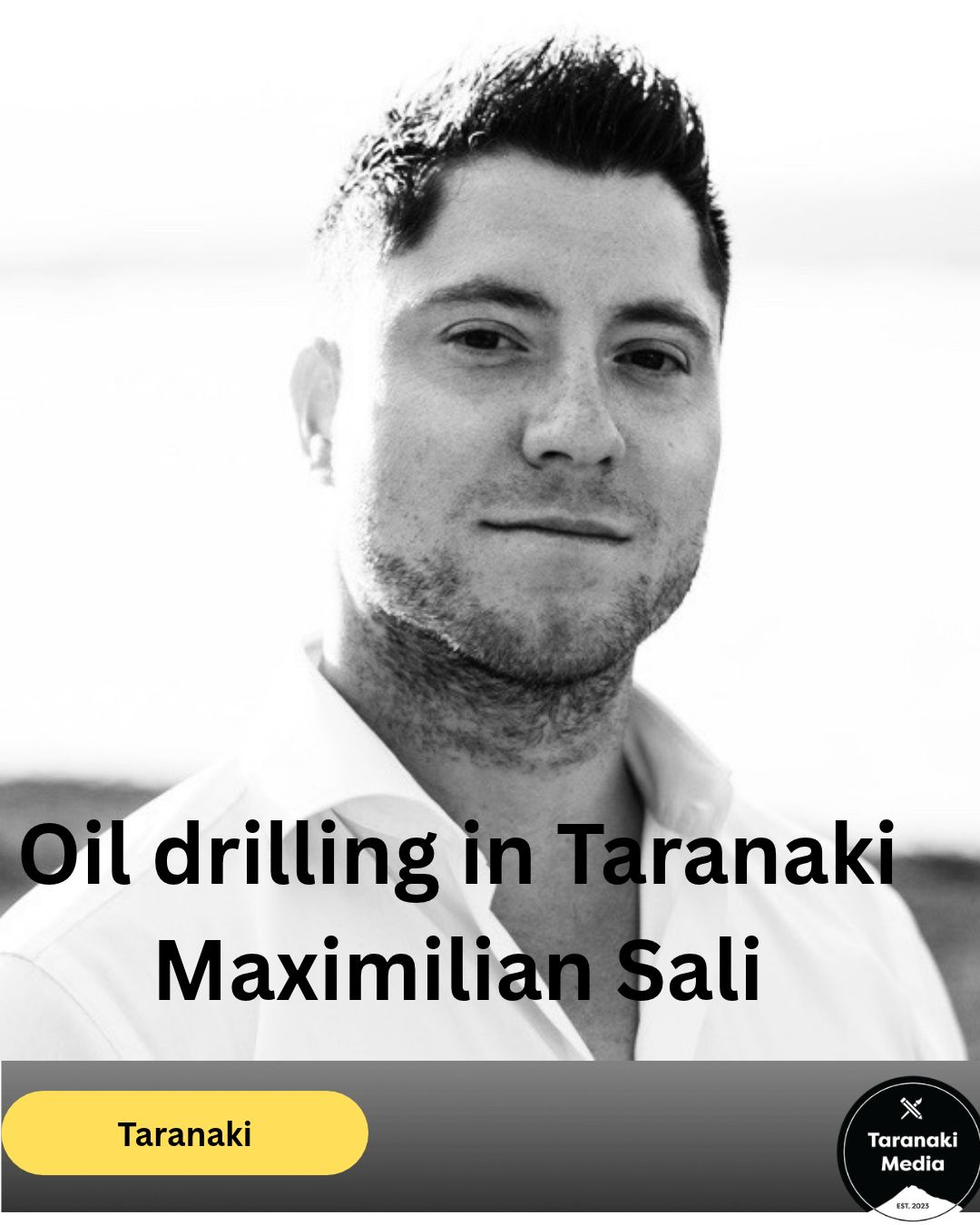

Taranaki oil revival: Max Sali has big ambitions beneath our feet
Canadian energy entrepreneur Max Sali is bringing renewed enthusiasm and investment to Taranaki's oil industry, with a potentially 10-million-barrel discovery at Maata among several projects he believes could unlock the region's remaining energy wealth.
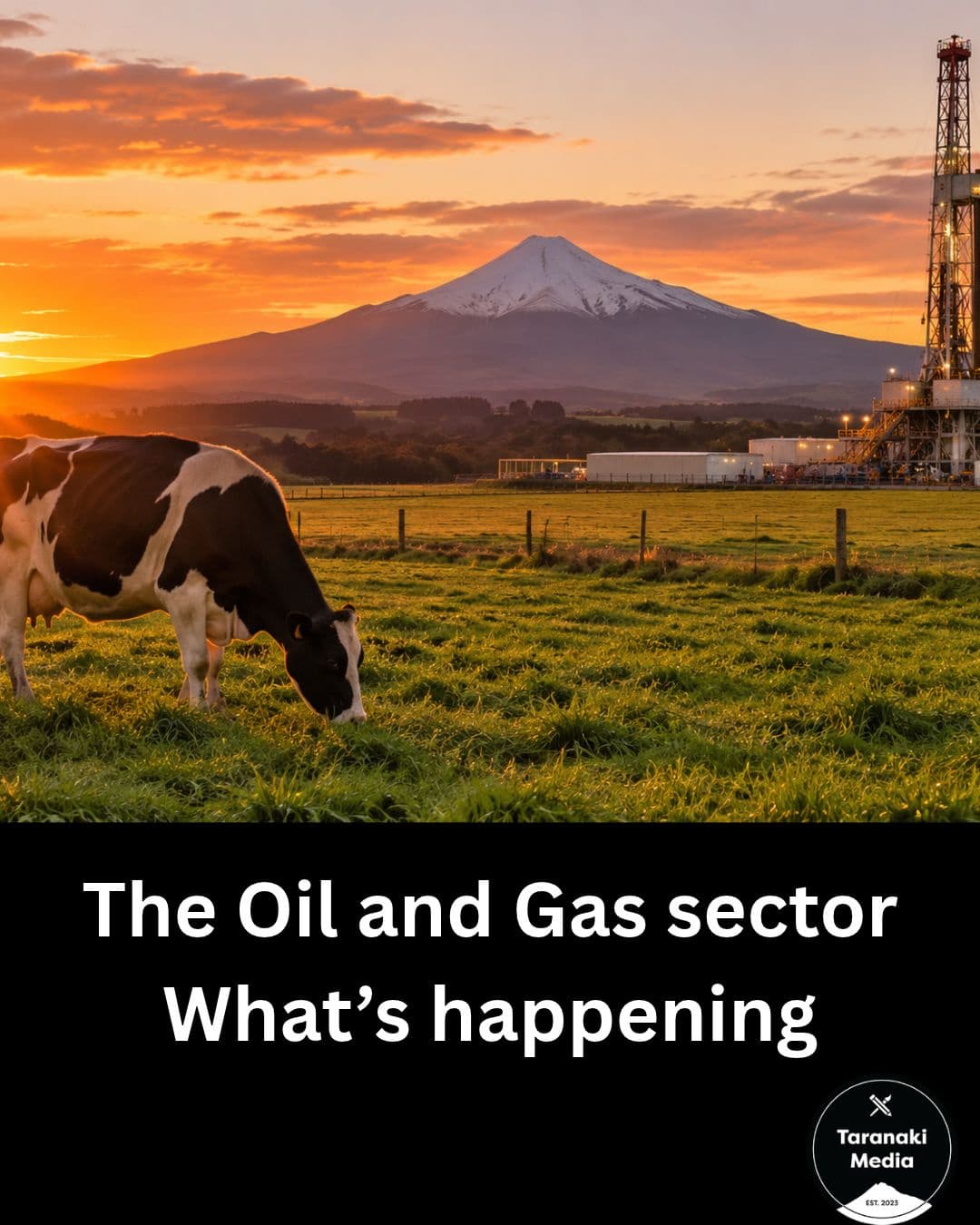
There is a growing sense of optimism around Taranaki's oil industry, and one man certainly isn't short of enthusiasm for what lies beneath the region's farmland.
Max Sali, chief executive and founder of Canadian-listed Monumental Energy, is making increasingly bold moves in the Taranaki Basin. His ambitions extend beyond simply finding new oil. He wants to breathe fresh life into older oilfields, increase production from existing wells and identify opportunities that previous operators may have overlooked.
One of the most exciting prospects is Maata, an onshore exploration target that could contain more than 10 million barrels of oil.
Monumental Energy announced in October that it intends to acquire an interest in the project through a consortium involving Jetex Energy, New Zealand Energy Corporation and 3TCF Limited. Jetex will be the operator.
The Maata prospect, located within Petroleum Exploration Permit PEP 60742, targets the Mount Messenger sandstone formation. It is considered the largest target of its type yet identified in this established onshore oil-producing area.
The surrounding geology provides some encouragement. Nearby Copper Moki wells have produced more than one million barrels, while the neighbouring Cheal oilfield has produced over 15 million barrels.
However, Maata itself remains undrilled. The 10-million-barrel figure is an estimate of potential, not a confirmed discovery.
The company is targeting the first quarter of 2027 for drilling its proposed Maata-1 well. A drill site has been secured, and drilling equipment is being organised.
Sali is clearly excited about the opportunity. In his October announcement, he described the proposed participation in Maata as a significant step in building Monumental's assets in what he considers an attractive oil market with considerable longevity.
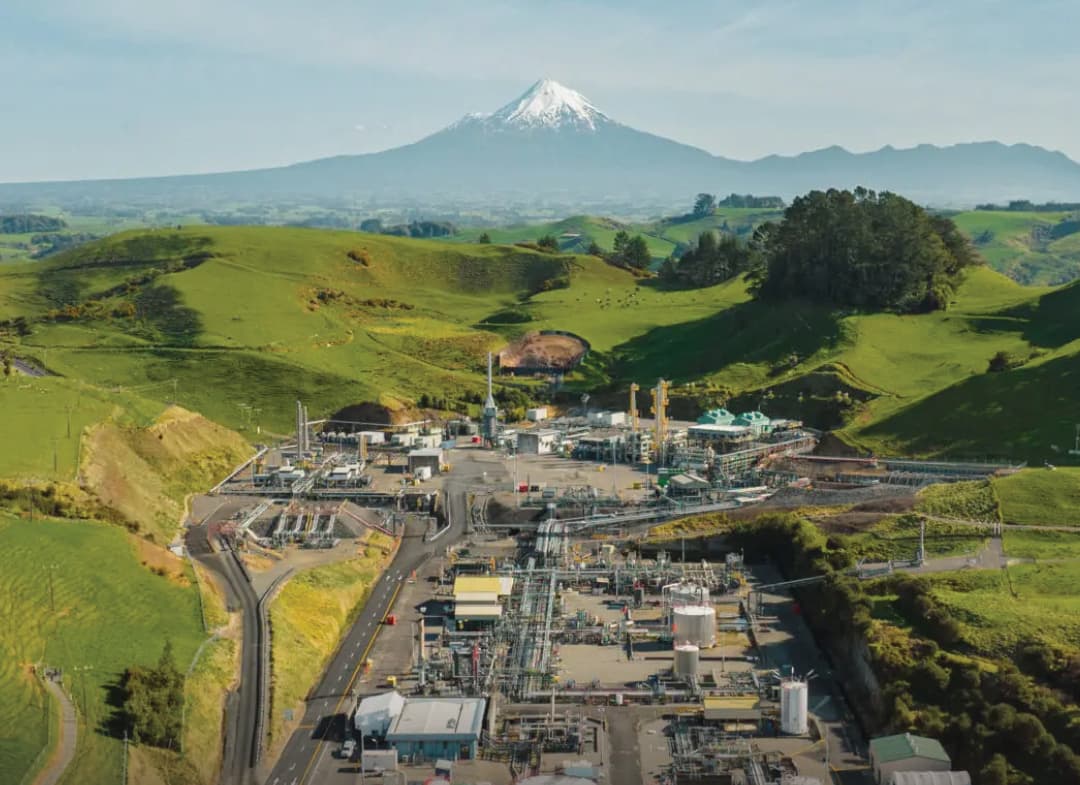
He also points to one particularly important advantage: the prospect is only a few kilometres from existing oil separation facilities. If a commercial discovery is made, production could potentially be connected to the nearby Waihapa Production Station and existing pipelines.
But Maata is only part of the story.
Perhaps equally interesting is Sali's determination to get more oil out of wells that have already been drilled.
Taranaki has numerous older wells which may still contain commercially recoverable oil and gas. Some were originally drilled to exploit particular underground formations, while other potentially productive layers were never fully developed.
Modern geological analysis and improved drilling techniques can help identify these opportunities.
The process, known as well re-entry or re-perforation, involves reopening an existing well and targeting another section of the underground rock formation.
Engineers can clean out the well, install new equipment and perforate the steel casing at a different depth, allowing oil from previously untapped rock to enter the well.
It can be considerably cheaper than drilling an entirely new well, particularly when roads, pipelines and production facilities are already in place.
Monumental has been involved in successful redevelopment work in the Waihapa and Ngaere areas. In March 2026, its Waihapa H1 well achieved a reported stable production rate of 568 barrels of oil per day without additional stimulation.
Sali is also pursuing another interesting development: a specially formulated chemical product designed to address wax build-up in Taranaki's oil wells. Wax can restrict the movement of oil, particularly as it cools. The company hopes its proprietary organic crude oil stabiliser will improve flow rates and production efficiency.
So what does all this mean for Taranaki?
Quite a lot, if the ambitions translate into successful projects.
More drilling and well redevelopment could provide work for local engineers, contractors, transport companies, equipment suppliers and specialist energy businesses. It could also help retain skilled workers and technical expertise that have been built up over generations.
There is an additional advantage in using infrastructure that already exists, making some projects more economically attractive.
Sali's approach is essentially to look at Taranaki's oil industry with fresh eyes: find new opportunities, revisit old wells and make better use of existing facilities.
There are still commercial, geological and regulatory hurdles, and no guarantee that Maata will produce oil.
But with several projects progressing simultaneously, Max Sali is clearly betting that Taranaki has considerably more energy potential than many people might imagine.
For a region that has long been at the heart of New Zealand's petroleum industry, that is certainly worth watching.