
Fuel price surge puts pressure on Taranaki households and businesses
New Zealanders are facing another cost-of-living headache, with the latest Stats NZ figures revealing sharp increases in petrol, diesel and domestic airfares over the past year.
For Taranaki, where farming, freight, energy and private motoring play such an important role in the regional economy, the increases are particularly significant.
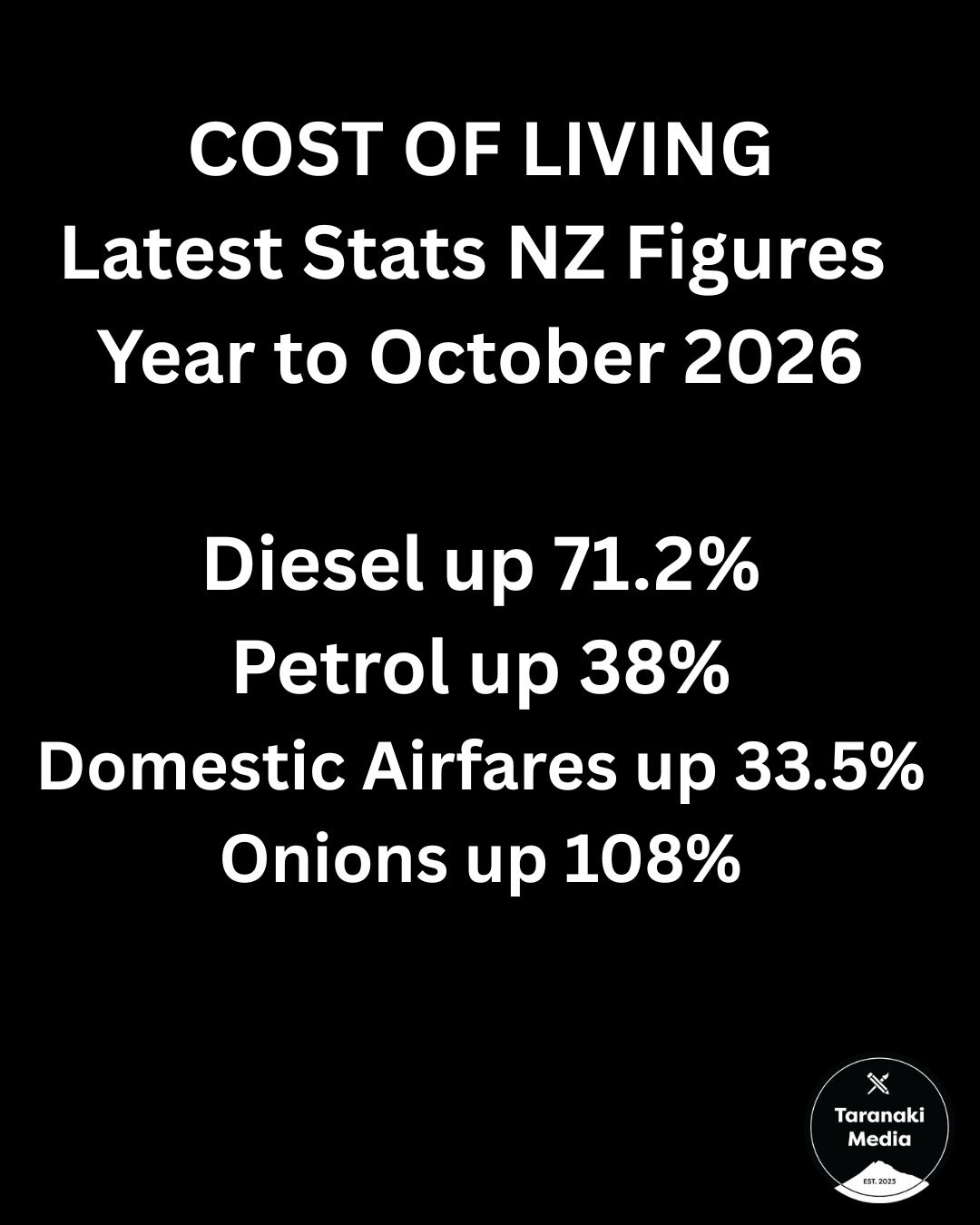
Figures released on Tuesday show diesel prices climbed 71.2 per cent in the year to October, while petrol increased by 38 per cent. Petrol alone jumped 11.9 per cent during October, marking the third consecutive month of rising fuel prices.
The impact goes well beyond the service station.
Taranaki's reliance on road transport means higher fuel costs affect everything from milk collection and agricultural contracting to freight, engineering and everyday deliveries.
Dairy farmers depend on diesel to operate machinery, tractors and farm vehicles, while milk tankers travel throughout South and Central Taranaki collecting milk.
When diesel prices rise, the additional costs can quickly spread through the supply chain, putting pressure on businesses already operating with tight margins.
For ordinary households, there are few easy alternatives.
People travelling between Stratford, Hāwera, Inglewood, Waitara and New Plymouth rely heavily on private vehicles. Unlike Auckland and Wellington, Taranaki has no extensive public transport network or commuter rail system.
For many families, driving is simply unavoidable, whether it is getting to work, taking children to school or travelling for medical appointments.
The latest figures also reveal a 33.5 per cent annual increase in domestic airfares, the largest yearly rise since April 2023.
That is unwelcome news for people travelling from New Plymouth to Auckland, Wellington and Christchurch, particularly businesspeople and contractors who regularly need to fly.
New Plymouth Airport remains an important connection for the region, but increasingly expensive air travel adds another cost for local businesses and residents.
Food prices are also contributing to household pressures, although the picture is mixed.
Overall food prices fell 0.4 per cent between September and October but remained 2.3 per cent higher than a year earlier.
One striking example was onions, with the average price rising from $1.76 a kilogram in October last year to $3.66 this October.
For families already watching their grocery spending, increases across everyday essentials quickly add up.
There is also an irony in the latest fuel figures for Taranaki.
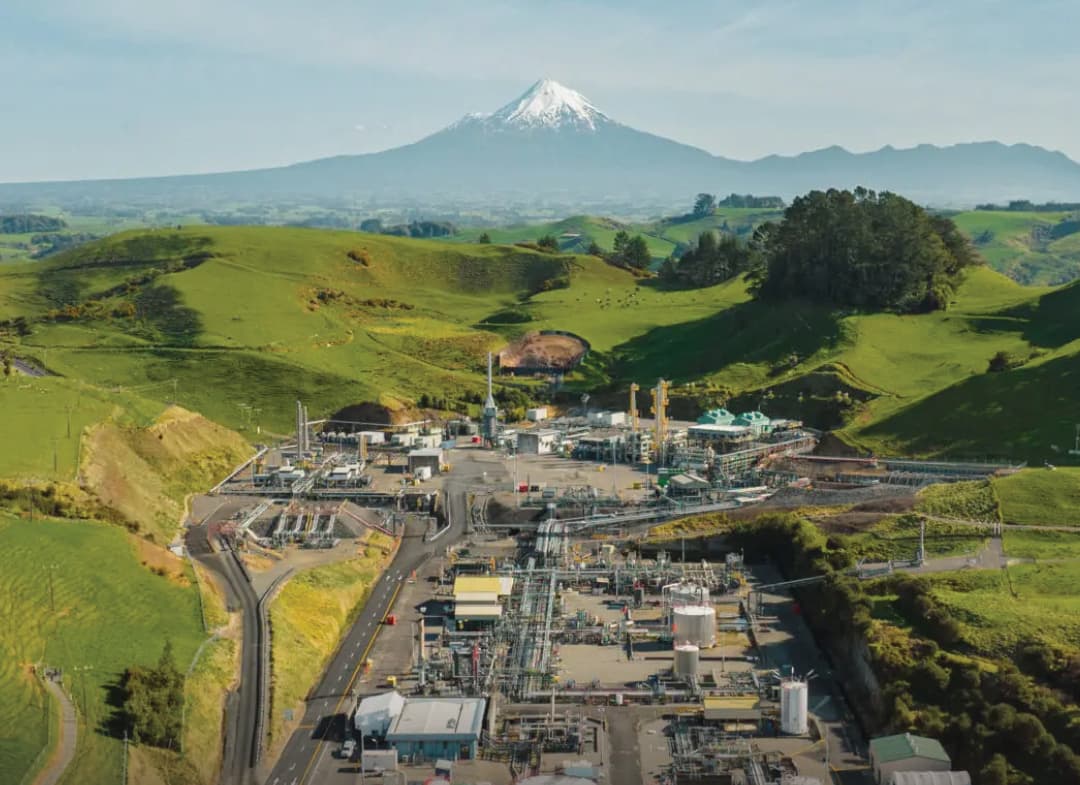
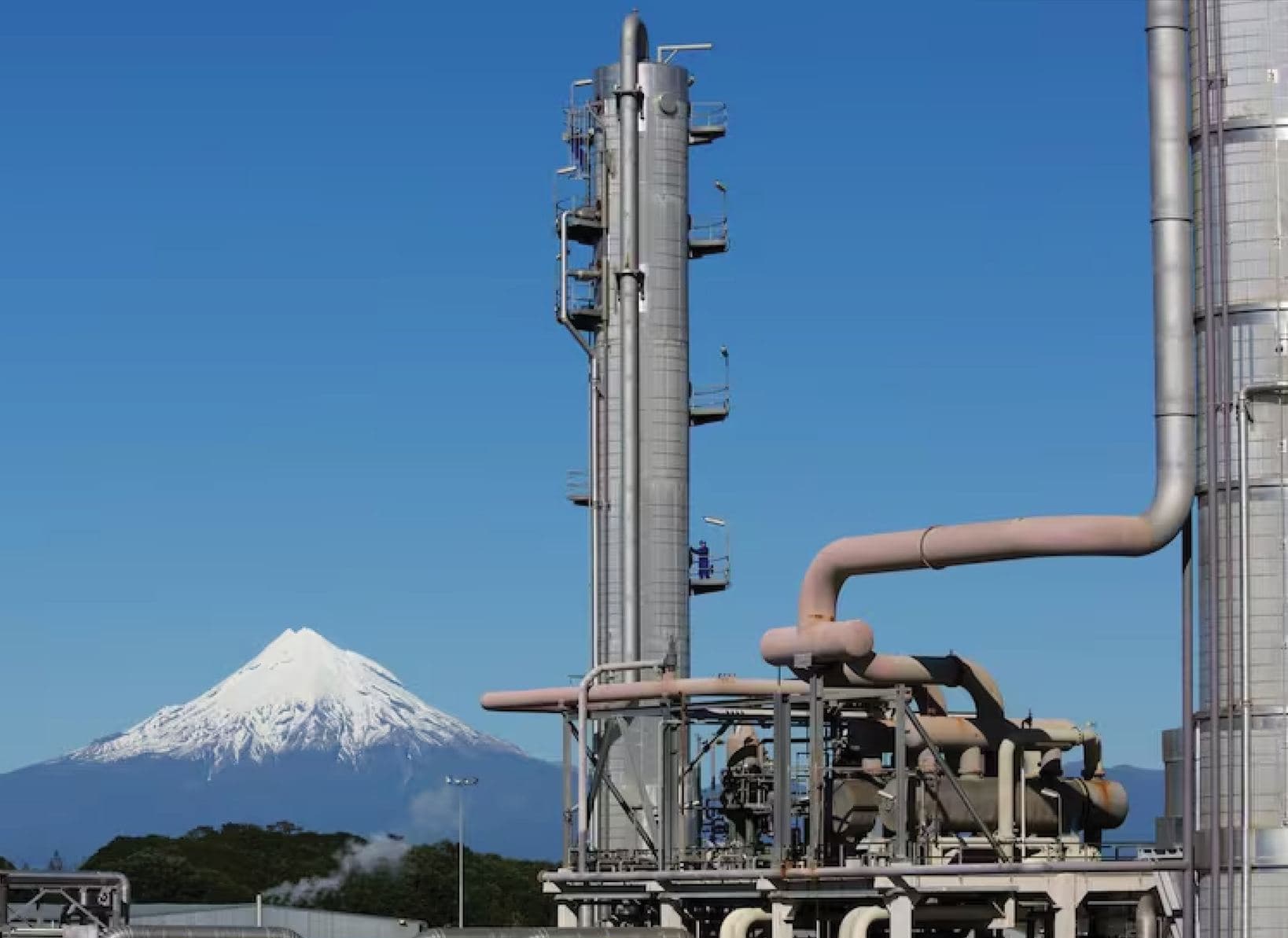
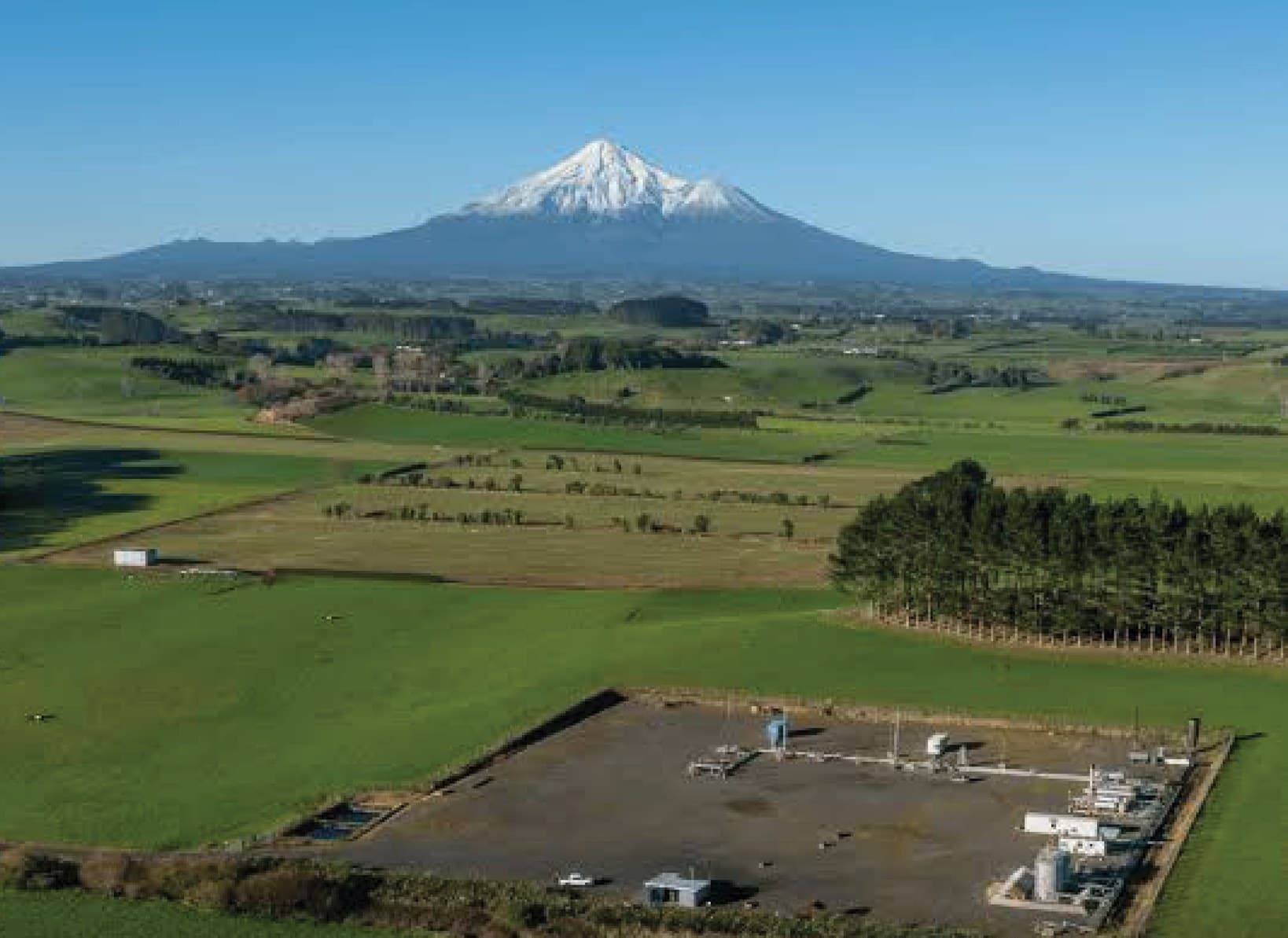
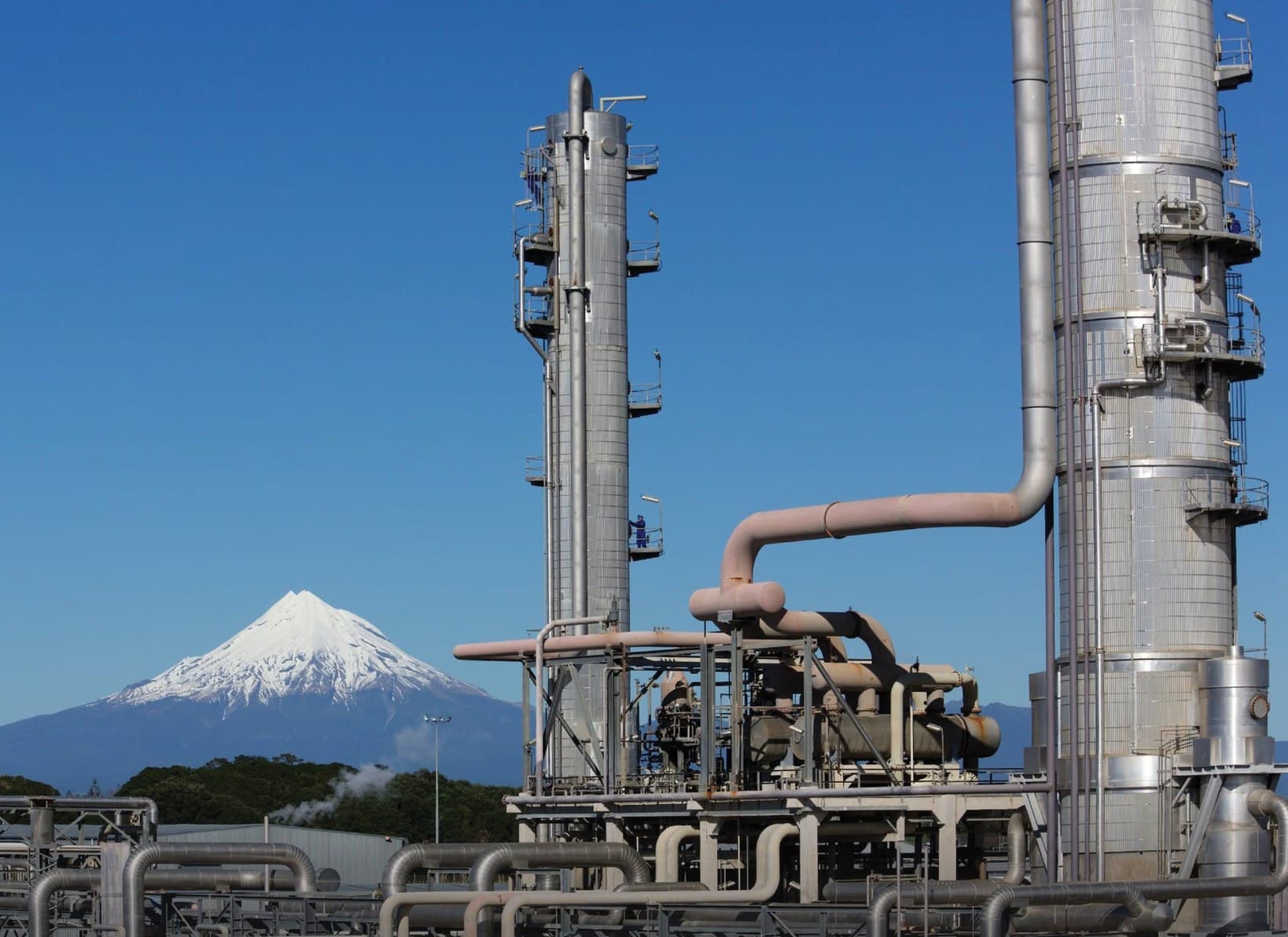
The region has been at the centre of New Zealand's oil and gas industry for generations, supplying energy and supporting thousands of jobs.
Yet while international fuel prices are putting pressure on motorists and businesses, the local energy sector is facing a difficult future.
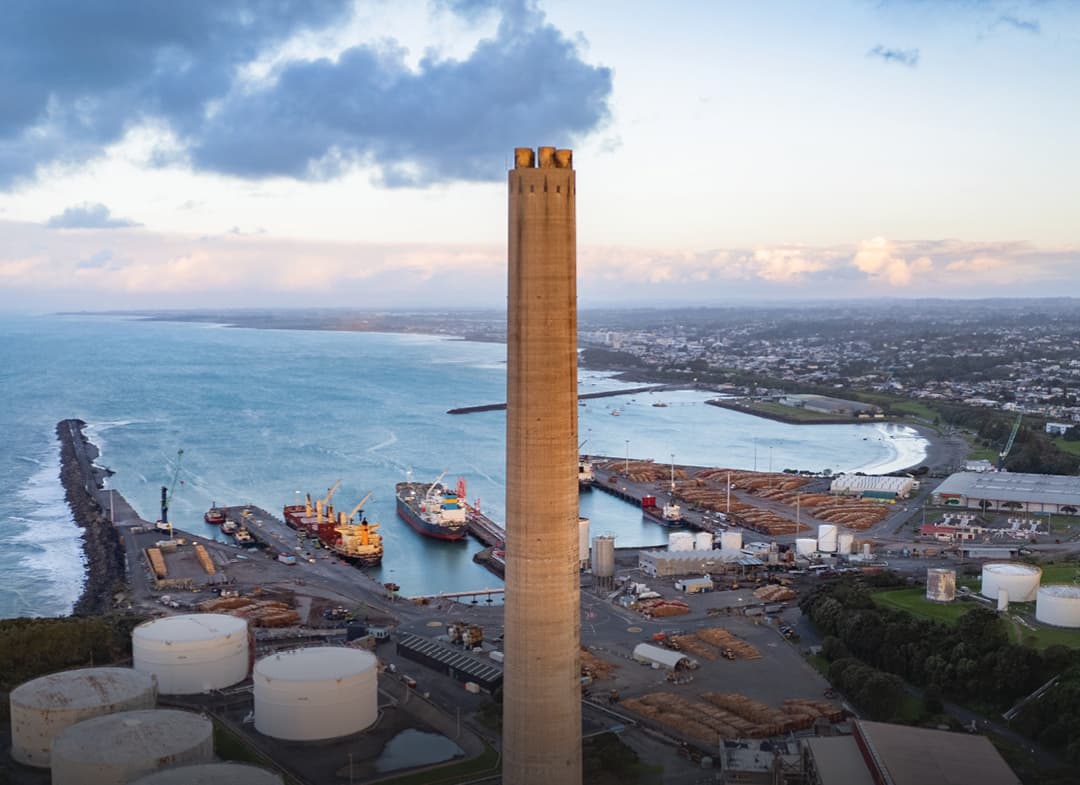
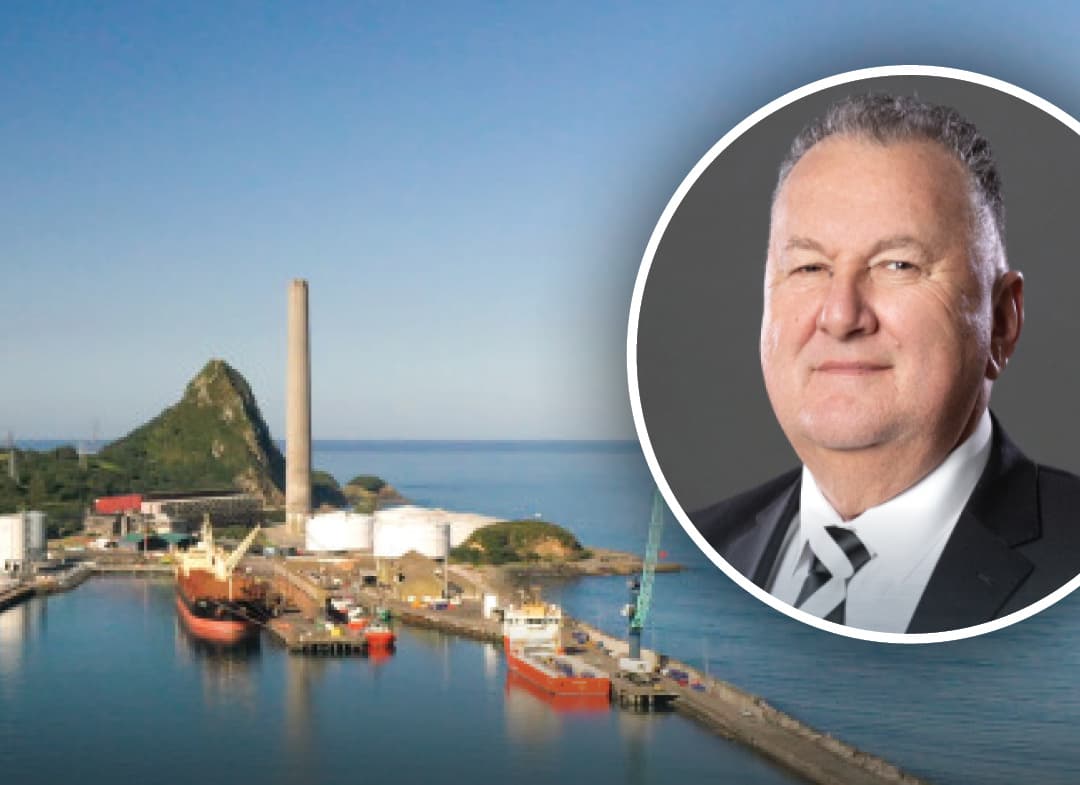
Methanex's Motunui operations face an uncertain future as the company prepares to exit New Zealand in 2027. Port Taranaki has also forecast a substantial reduction in trade volumes as the oil and gas industry contracts.
The port's outlook points to annual trade volumes of around 2.3 million tonnes over the coming years, compared with 4.7 million tonnes in 2023 and 5.5 million tonnes in 2020.
That represents a significant change for a region which has relied heavily on the energy industry for employment, investment and economic activity.
The latest figures underline just how exposed Taranaki remains to rising transport and energy costs, despite its long history as an energy-producing region.
With Christmas and the summer holiday season approaching, households and businesses will be hoping the latest fuel increases are not the beginning of another prolonged period of rising costs.
For many Taranaki families, the concern is straightforward: how much more can the weekly budget take?